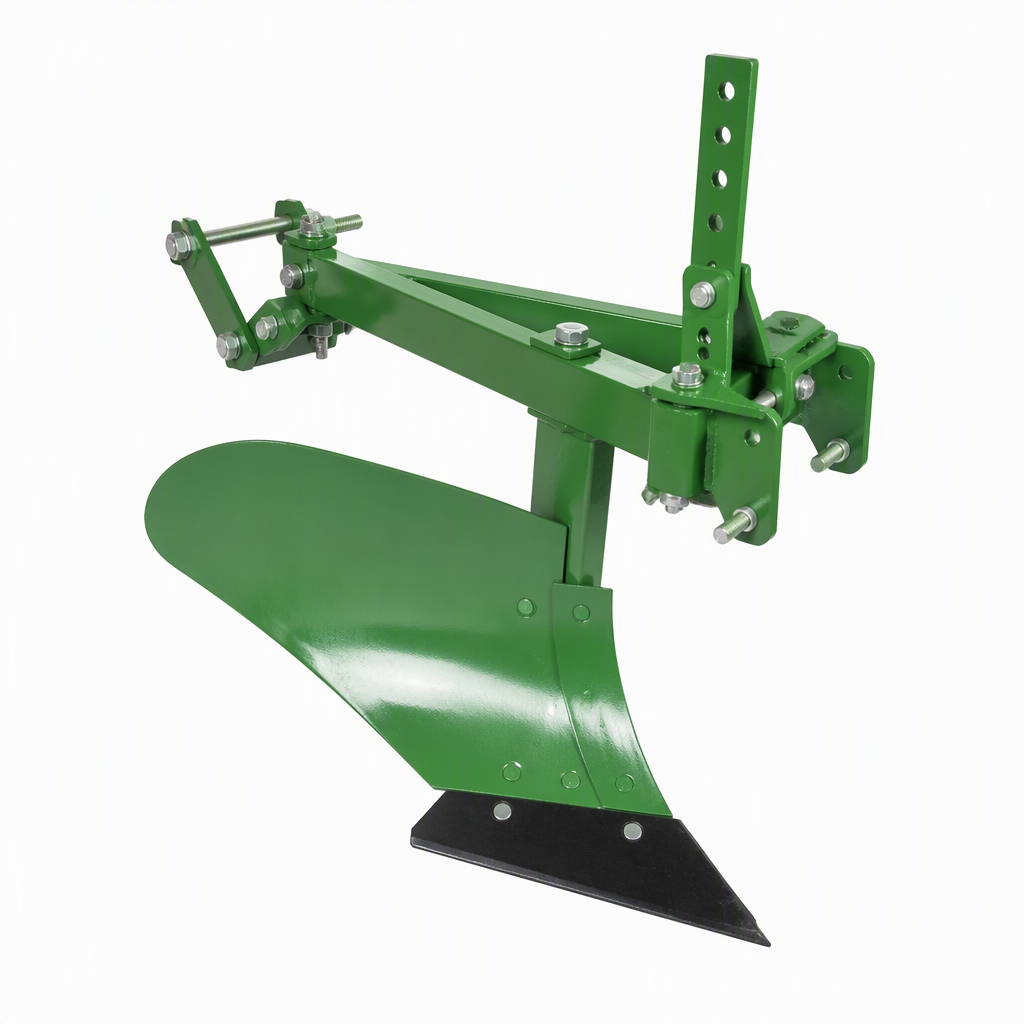
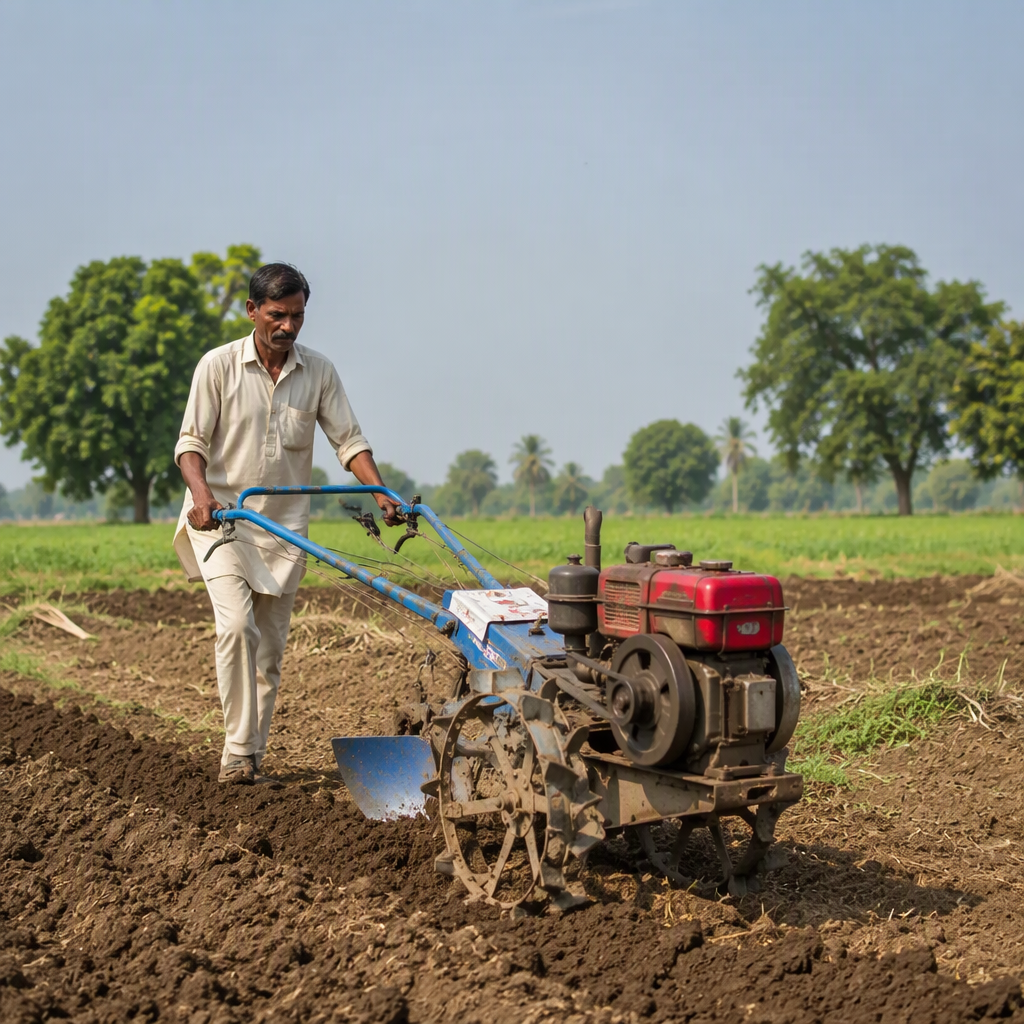
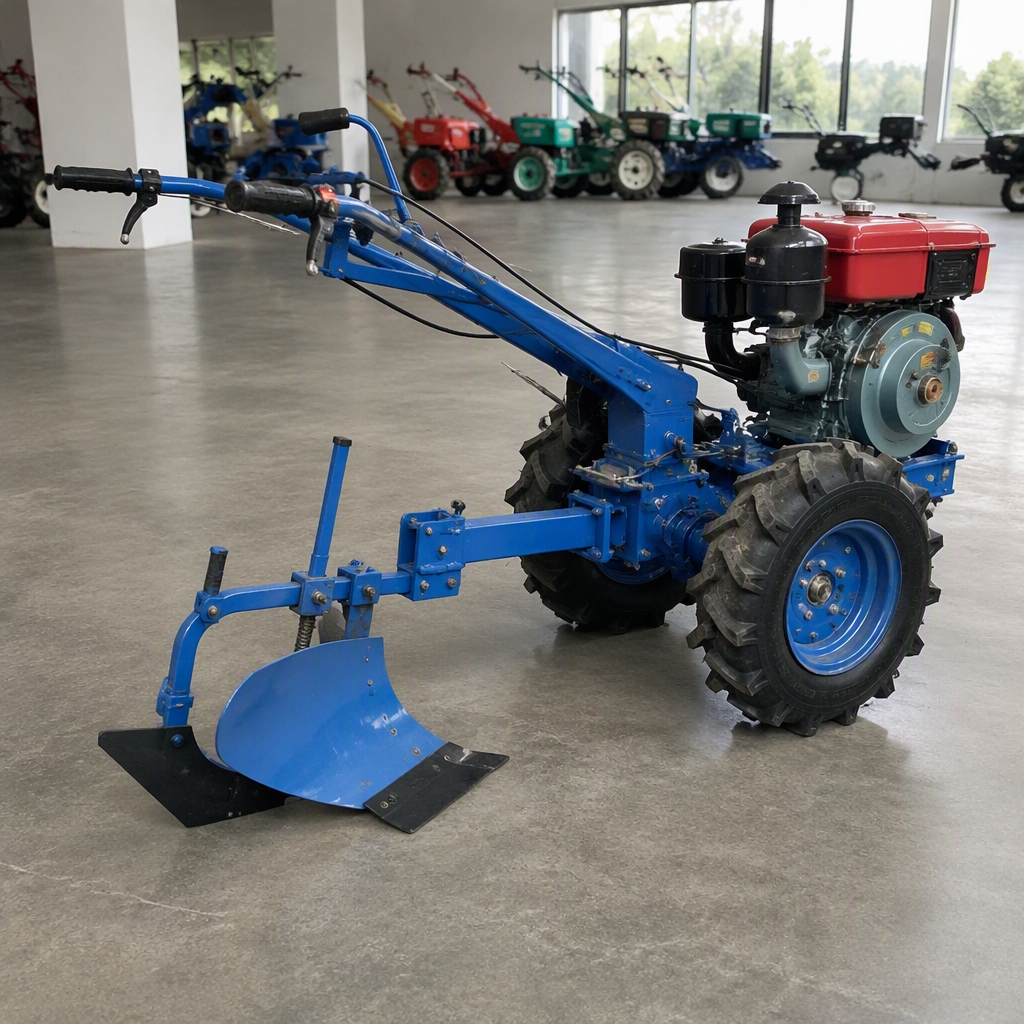
Power Tiller Plough Price: Key Evaluation Tips

application/power-tiller-plough-price, application/power-tiller-plough-price, 
Inquiry
application/power-tiller-plough-price, application/power-tiller-plough-price, 
Inquiry

power tiller plough price

Understanding the power tiller plough price is essential for agricultural businesses looking to enhance their tillage processes. Power tiller ploughs are vital tools in modern agriculture, designed to improve soil preparation, enhance crop yields, and facilitate efficient planting. As a B2B buyer, your primary concerns are likely to revolve around quality, cost-effectiveness, and the specific needs of your agricultural operations. This article will help you navigate these factors, providing insights into evaluating quality, identifying common issues, and understanding the practical applications of power tiller ploughs.

Common Problems with Power Tiller Ploughs and Effective Solutions

Common Problems with Power Tiller Ploughs and Effective Solutions

While power tiller ploughs significantly enhance agricultural efficiency, they can encounter several common issues:

Inadequate Ploughing Depth: One frequent problem is insufficient ploughing depth, which can be caused by improper weight distribution or incorrect settings. To address this, always check the operator manual for recommended depth settings based on soil conditions and adjust accordingly.

Wear and Tear: Over time, ploughshares may wear down, reducing efficiency. Regular maintenance, including inspections and timely replacement of worn parts, is essential. Establish a maintenance schedule to ensure optimal performance and longevity of your equipment.

Clogging: Soil and debris can clog the plough, especially in wet conditions. Implementing a cleaning routine after each use can mitigate this issue. Additionally, consider models with features designed to reduce clogging.

Engine Performance Issues: If the engine struggles to maintain power, it may be due to fuel quality or air filter blockages. Regularly checking and replacing filters and using high-quality fuel can resolve these problems.

Step-by-Step Tips

Step-by-Step Tips

Define Your Requirements: Start by assessing your specific agricultural needs, including soil type, field size, and crop types. This will guide you in selecting the right model.

Request Detailed Quotations: When contacting suppliers, provide detailed information about your requirements. Include specifications such as desired ploughing depth, width, and any customization needs.

Inspect Samples: Before finalizing your order, request a sample or prototype to evaluate its performance in your specific conditions. This practical assessment can reveal potential issues before bulk purchasing.

Understand Pricing Factors: Power tiller plough prices can vary based on materials, features, and manufacturer reputation. Be sure to consider the total cost of ownership, including maintenance and operational costs, when evaluating price. For instance, models like the Mini Diesel Tractor 2WD 10HP with Rotary Tiller can be an economical choice.

Applications of Power Tiller Ploughs in Modern Agriculture

Applications of Power Tiller Ploughs in Modern Agriculture

Power tiller ploughs are versatile tools that find applications across various agricultural settings:

Soil Preparation: They play a critical role in preparing the soil for planting by breaking up compacted earth, allowing for better root penetration and moisture retention.

Weed Control: By cultivating the soil, they can effectively disrupt weed growth, reducing the need for chemical herbicides and promoting healthier crop growth.

Land Reclamation: In areas where soil health has deteriorated, power tiller ploughs can help restore fertility by mixing organic matter into the soil, enhancing its structure and nutrient content.

Intercropping and Crop Rotation: Farmers can use power tiller ploughs to quickly prepare land for diverse cropping systems, supporting sustainable agricultural practices.

Features That Matter for Buyers

When evaluating power tiller ploughs, several features can significantly impact their effectiveness and usability:

Adjustable Ploughing Depth: Look for models that allow easy adjustments to ploughing depth, catering to different soil conditions and crop requirements.

Ergonomic Design: An ergonomic design can enhance operator comfort and reduce fatigue during prolonged usage. Features such as adjustable handles and lightweight construction are beneficial.

Versatility: Consider models that offer interchangeable attachments for various tasks, such as seeding or harrowing, to maximize the utility of your investment.

Fuel Efficiency: Opt for power tiller ploughs designed for optimal fuel efficiency, which can significantly reduce operational costs over time.

Safety Features: Ensure that the plough includes necessary safety features, such as emergency shut-off mechanisms and protective guards, to safeguard operators during use.

Understanding the power tiller plough price and its associated features can empower you as a B2B buyer to make informed decisions that enhance agricultural productivity. By evaluating quality, addressing common issues, and recognizing essential features, you can select the right power tiller plough to meet your operational needs effectively.

How to Evaluate the Quality of Power Tiller Ploughs for Your Needs

When selecting a power tiller plough, quality evaluation should encompass several key aspects:

Material Selection: The materials used in the construction of power tiller ploughs greatly affect durability and performance. High-quality steel is often preferred for the frame and ploughshares, as it provides resistance to wear and tear. Evaluate the material specifications to ensure they meet the demands of your specific soil types and farming practices.

Manufacturing Processes: Understanding the production methods employed by the manufacturer is crucial. Look for companies, like Agripros, that adhere to quality certifications such as ISO 9001. This indicates a commitment to maintaining high manufacturing standards and quality control processes.

Technical Specifications: Pay attention to the plough's technical parameters, such as weight, dimensions, and ploughing depth. These specifications should align with your operational requirements. For example, a heavier plough might be more suitable for tough soil conditions, while a lighter model may suffice for softer terrains.

Warranty and Support: A solid warranty and customer support are indicators of a manufacturer's confidence in their product quality. Ensure the manufacturer provides comprehensive after-sales support to assist with any potential issues.

Frequently Asked Questions

What is the price range for the power tiller plough?

Prices vary by model, specifications, and optional attachments. Contact Agripros for a tailored quote based on your field size and required features.
Standard quotes exclude international freight and installation. Agripros can provide lifecycle-based proposals including shipping, local delivery, and installation upon request.
Our power tiller ploughs come with CE and ISO 9001-backed quality assurance and a manufacturer warranty. Specific warranty terms are provided in the formal quote.
Yes. Agripros offers tailored configurations for tillage depth, width, and attachments to match crop type and soil. Custom options are quoted separately.
Contact Agripros with farm details, desired specs, and destination. We will provide a detailed quotation, delivery timeline, and after-sales support plan.

Get a Free Quote

Our representative will contact you soon.
0/1000