Comparing Cultivator Prices for Wholesale Orders

application/cultivator-price, application/cultivator-price, 
Inquiry
Inquiry

cultivator price

Cultivators play a vital role in agricultural production, enabling effective soil preparation for optimal crop yield. Understanding cultivator price is crucial for B2B buyers, such as purchasing managers and distributors, who need to evaluate costs in relation to quality, specifications, and supplier reliability. This article will guide you through key considerations when comparing cultivator prices, essential specifications for high-quality cultivators, sourcing reliable suppliers, evaluating material advantages, and finding competitive prices.

Essential Specifications of High-Quality Cultivators for Distributors

Essential Specifications of High-Quality Cultivators for Distributors

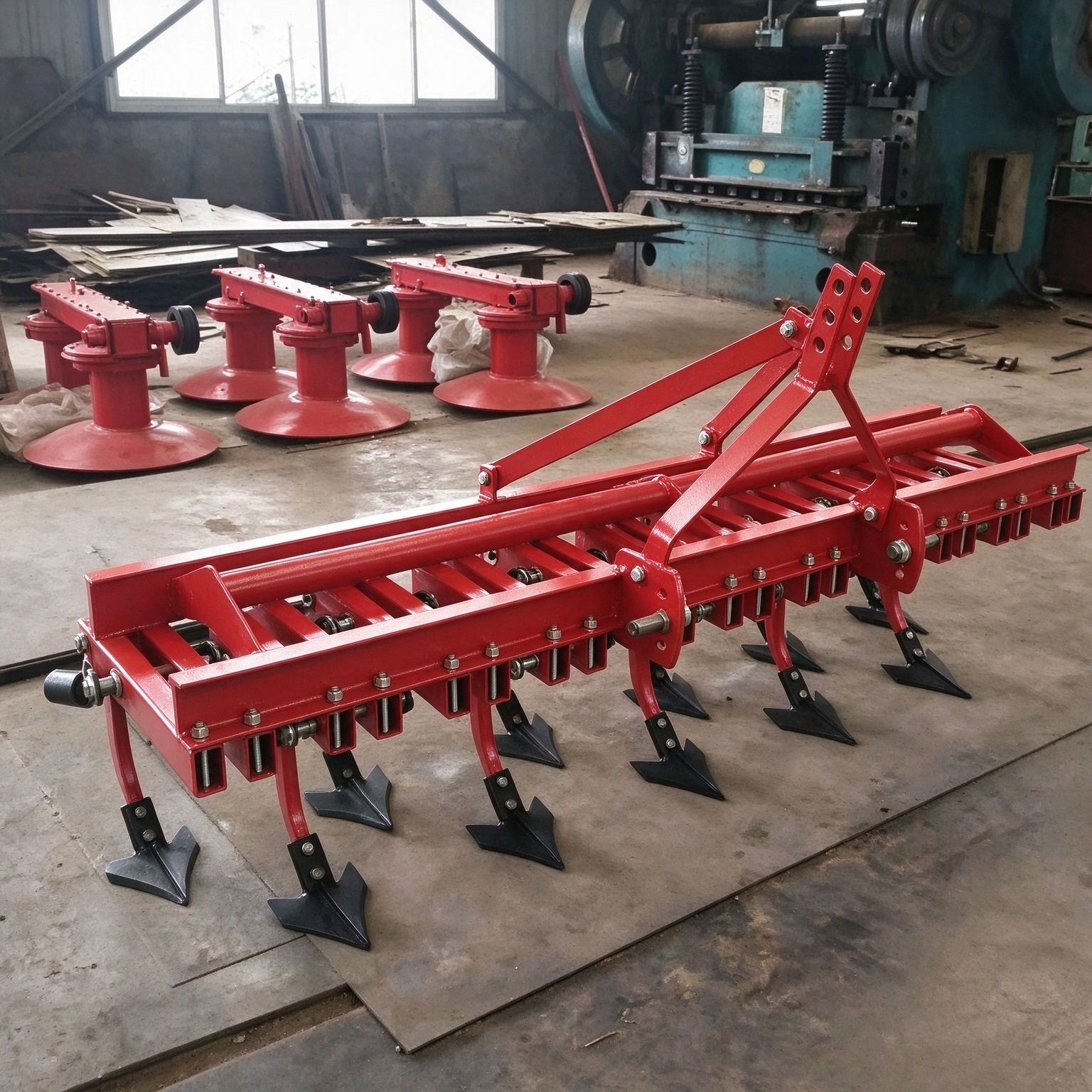
High-quality cultivators come with specific features that enhance their performance and durability. Key specifications to look for include:

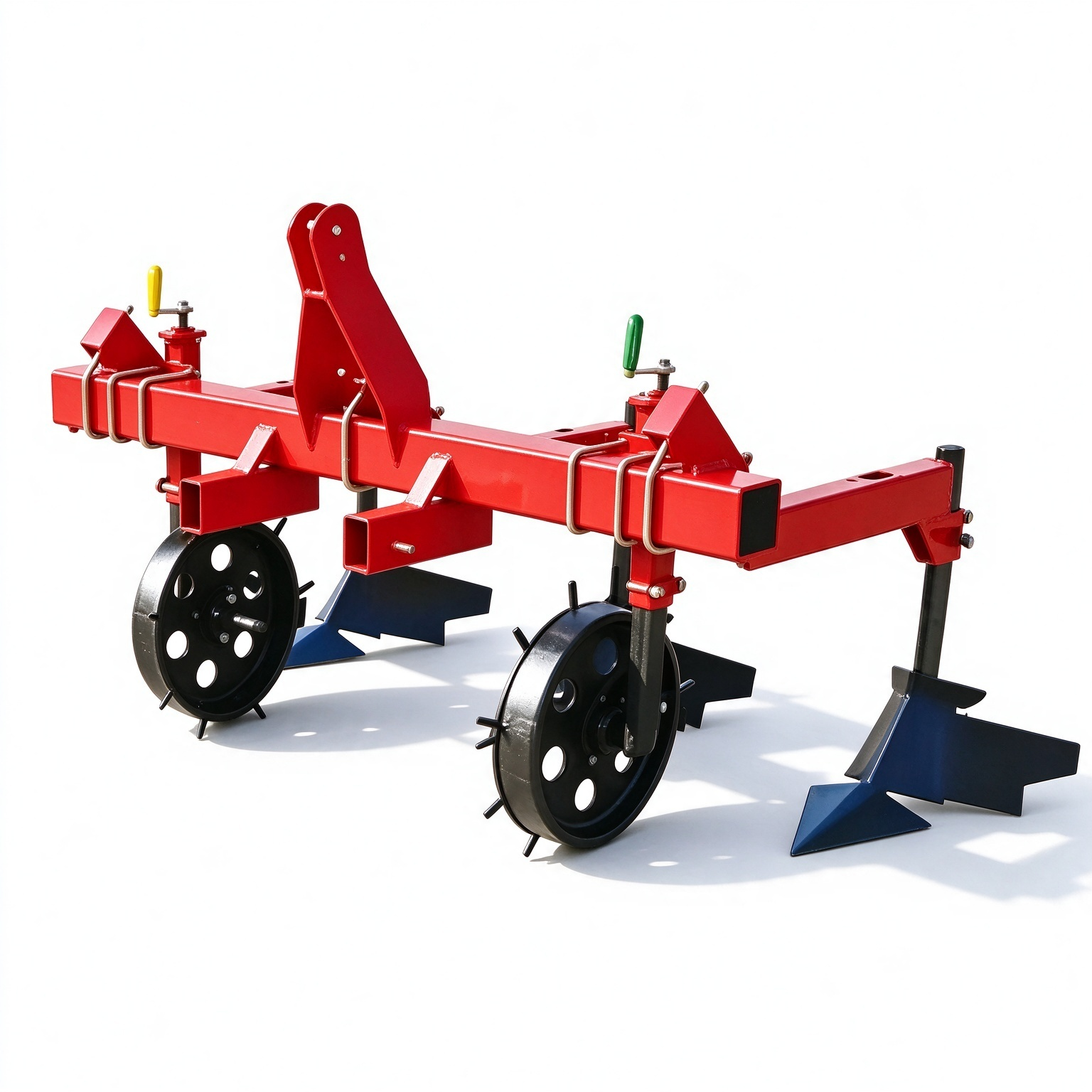
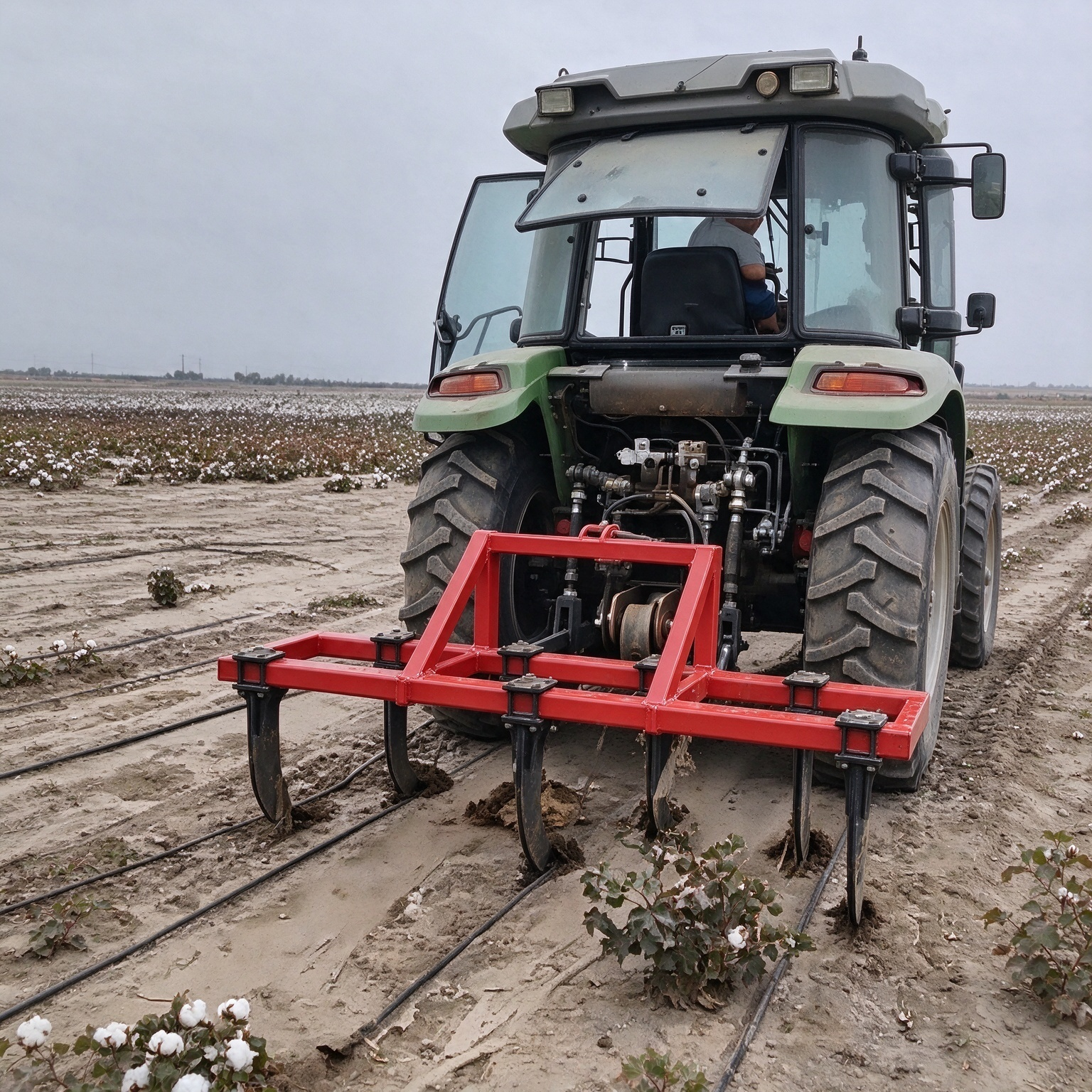
Tine Configuration: The arrangement and type of tines affect soil penetration and mixing capabilities. Tines should be made of high-strength materials to withstand wear over time.Adjustable Depth Settings: The ability to adjust the working depth allows users to customize operations based on soil conditions and crop requirements.Frame Construction: A robust frame manufactured from high-grade steel or aluminum ensures longevity and resistance to bending or breaking under heavy use.Weight Distribution: Proper weight distribution enhances stability and control during operation, particularly in uneven terrain.

These specifications are critical in ensuring that the cultivator can perform effectively in various agricultural settings, contributing to improved productivity and reduced operational downtime.

How to Source Reliable Suppliers for Cultivators in Bulk

How to Source Reliable Suppliers for Cultivators in Bulk

Finding reliable suppliers for bulk cultivator orders involves a strategic approach. Start by researching potential suppliers with a strong reputation in the industry, preferably those with relevant certifications such as CE and ISO 9001. These certifications indicate a commitment to quality and compliance with international standards.

Next, evaluate the supplier’s manufacturing capabilities and experience in producing cultivators. A supplier that specializes in agricultural machinery is more likely to understand the specific needs of your market. Engage in discussions about their production processes, quality control measures, and capacity to fulfill large orders.

Moreover, request references or case studies from previous clients to gauge their reliability and service quality. A supplier who is transparent about their production processes, lead times, and after-sales support will instill more confidence in your sourcing decision.

Evaluating Material Advantages of Cultivators for Agricultural Use

Evaluating Material Advantages of Cultivators for Agricultural Use

The materials used in cultivator construction can greatly impact performance and durability. Common materials include high-strength steel, which offers excellent resistance to wear and deformation. Consider the following material advantages:

Corrosion Resistance: Cultivators often operate in moist soil conditions. Materials that are treated for corrosion resistance, such as galvanized or powder-coated finishes, can extend the equipment's lifespan.Weight to Strength Ratio: The material should provide a good balance between weight and strength. A cultivator that is too heavy may be difficult to maneuver, while one that is too light might lack the necessary durability.Flexibility and Rigidity: Certain components may require flexibility to absorb shock during operation, while others need rigidity to maintain structure. Understanding these requirements helps in selecting the right cultivator for specific tasks.

Buyers should always confirm that the materials meet their operational demands, as using unsuitable materials can lead to premature failure of the equipment.

Where to Find Competitive Cultivator Prices for Importers and Contractors

To locate competitive cultivator prices, consider the following strategies:

Trade Shows and Expos: Attending industry trade shows can provide insights into the latest equipment and pricing trends while allowing you to meet suppliers face-to-face.Online Marketplaces: Websites that specialize in agricultural machinery often allow you to compare prices from various suppliers quickly. Look for platforms that provide buyer reviews and ratings, including options like the Grain Crusher 3 kW Electric Mill for Poultry Feed Milling.Industry Networks: Leverage networks and associations within the agricultural sector to gain recommendations for reputable suppliers and current pricing trends.Direct Manufacturer Contact: Engaging directly with manufacturers like Agripros can yield better pricing than through intermediaries. Discussing bulk orders or long-term partnerships may also provide additional discounts.

In all cases, ensure that the pricing includes shipping costs and any applicable tariffs, as these can significantly affect the overall budget.

By considering these aspects when evaluating cultivator prices, B2B buyers can make informed decisions that align with their operational needs and budget constraints. Understanding specifications, sourcing reliability, and evaluating material qualities are essential in ensuring the longevity and effectiveness of cultivators in agricultural applications.

What to Consider When Comparing Cultivator Prices for Wholesale Orders

When assessing cultivator prices, several factors should be taken into account. First, consider the specifications of the cultivator. Different models may vary in width, depth, and operational capabilities, impacting their suitability for specific agricultural tasks. It’s important to match the cultivator’s specifications with the intended application to ensure efficiency and effectiveness.

Next, evaluate the total cost of ownership rather than just the upfront price. This includes maintenance costs, potential repairs, and the expected lifespan of the equipment. A lower purchase price may result in higher long-term costs if the equipment is less durable or requires more frequent servicing. For example, investing in a 8-25HP Diesel Walk Behind Tractor Water-Cooled Hand Start Farm Tractor can provide excellent durability and performance over time.

Additionally, bulk ordering can often lead to discounts. Understanding the minimum order quantity (MOQ) and negotiating terms with suppliers can significantly influence the final pricing. It’s advisable to gather multiple quotes and conduct a thorough comparison to ensure you are getting the best value for your investment.

Frequently Asked Questions

What factors influence cultivator price?

Price depends on model size, working width, number of tines, materials, and optional features like hydraulic depth control or transport wheels. Customized specifications and shipping also affect the final cost.
Yes. Agripros provides tiered pricing for bulk orders. Discounts depend on quantity, model mix, and contract terms. Contact sales for a tailored quote based on your needs.
Standard listings exclude taxes and freight. Final price will include shipping, insurance, and applicable taxes based on destination. We provide full cost breakdowns in formal quotations.
Our cultivators come with manufacturer warranty and spare parts support. We offer technical guidance, maintenance plans, and lifecycle services to ensure reliable field performance.
Yes. Agripros designs tailored cultivator specifications—working width, tine type, frame strength, and attachments—based on crop, soil, and field conditions. Request a custom quote and design consultation.

Get a Free Quote

Our representative will contact you soon.
0/1000