Choosing the Right Combine Farm Machine

application/combine-farm-machine, application/combine-farm-machine, 
Inquiry
Inquiry

combine farm machine

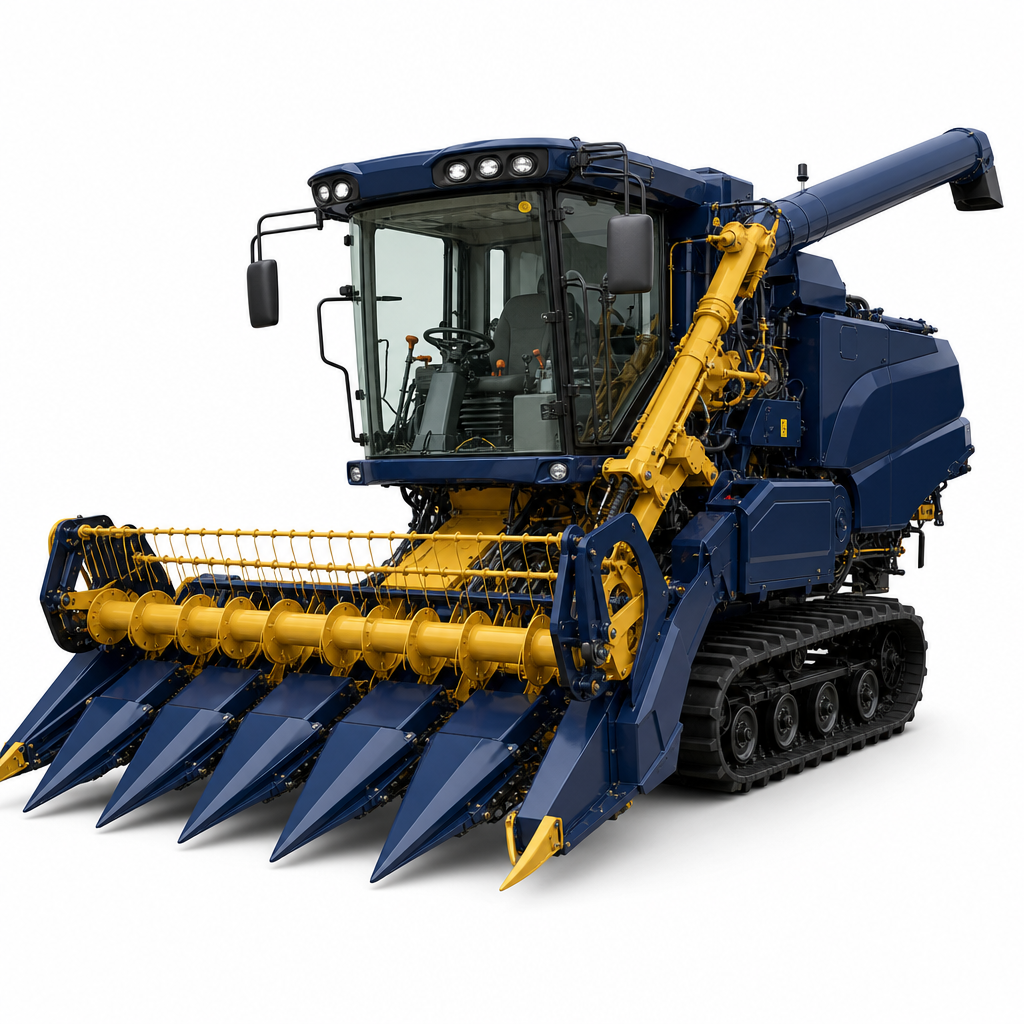
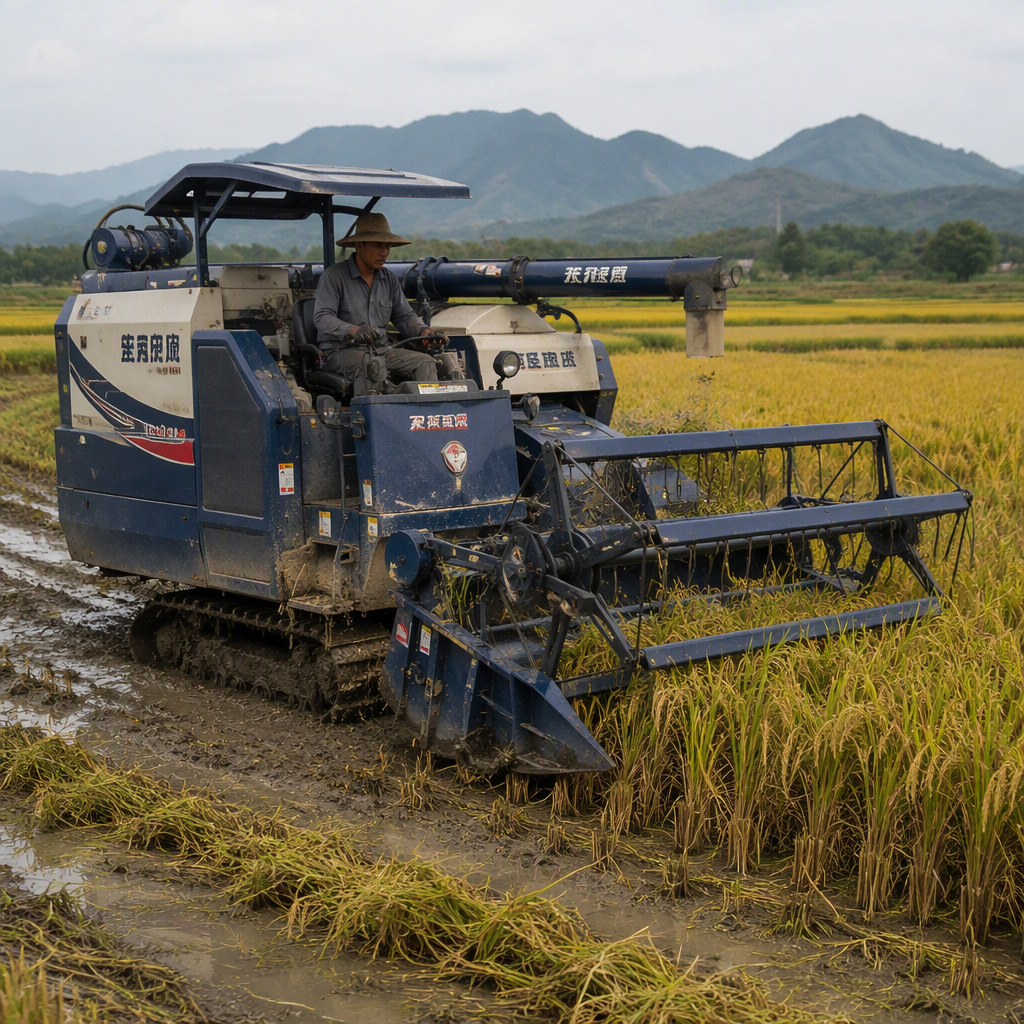
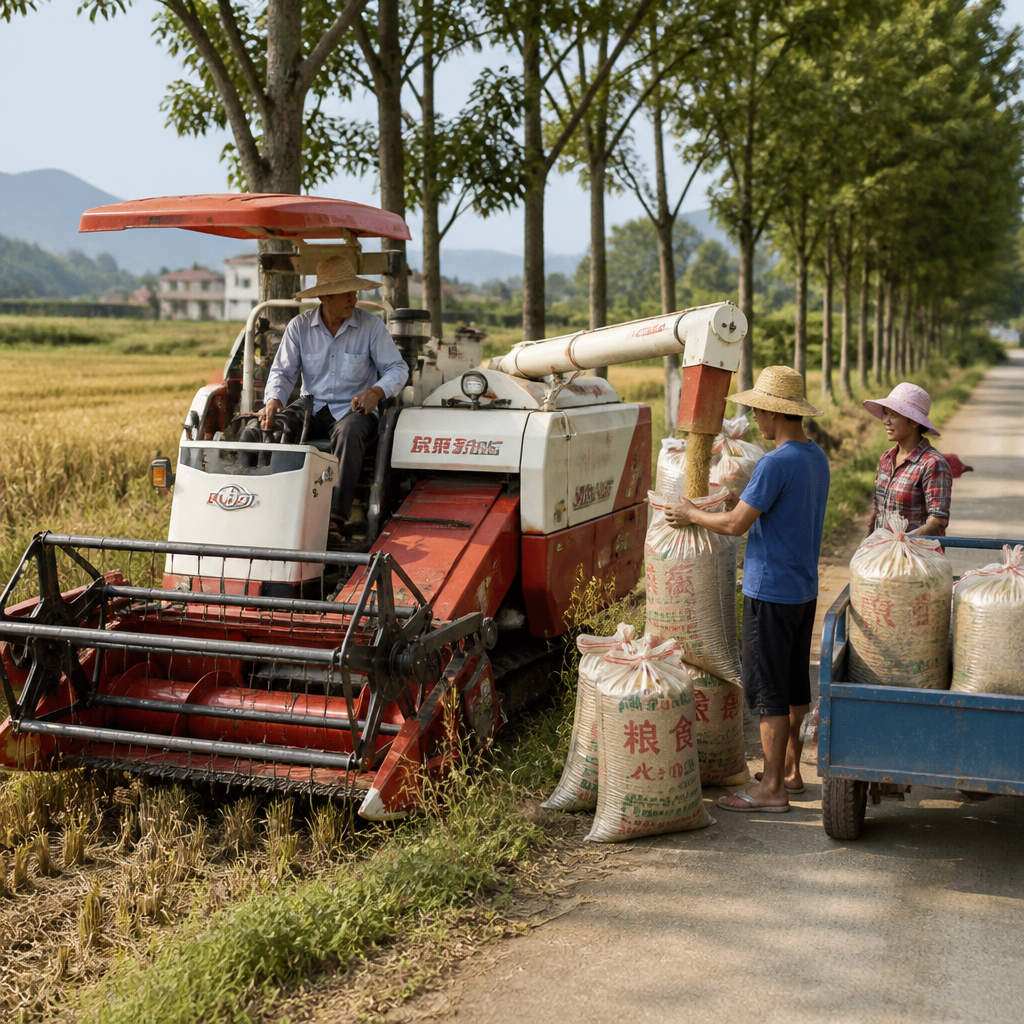
Choosing the right combine farm machine is crucial for maximizing agricultural efficiency. These machines streamline harvesting processes, enabling farmers to save time and reduce labor costs. As a purchasing manager or distributor, understanding the key features and specifications of combine farm machines is essential for making informed decisions. This article will guide you through the critical considerations when selecting a combine farm machine, helping you evaluate quality, understand cost factors, and compare specifications effectively.

How to Evaluate Quality in Combine Farm Machines Before Purchasing

How to Evaluate Quality in Combine Farm Machines Before Purchasing

Quality evaluation is essential when investing in combine farm machines. Start by examining the build quality and materials used in the machine's construction. High-quality steel and robust components will enhance durability and reduce maintenance needs. Look for machines with CE/ISO 9001 certifications, as these indicate adherence to international quality standards.

Another aspect of quality evaluation is the performance of the machine in real-world conditions. Request performance data and testimonials from existing users. This information can provide insights into reliability and efficiency under various conditions. It’s also advisable to conduct a physical inspection or request a demonstration to assess the machine's functionality, ease of operation, and maintenance requirements.

Moreover, inquire about the manufacturer’s quality control processes. A reputable supplier will have stringent testing protocols in place to ensure that every machine meets their quality standards before leaving the factory.

Cost Savings on Combine Farm Machines

Cost Savings on Combine Farm Machines

Investing in a combine farm machine can lead to significant cost savings over time, but it’s essential to consider various cost factors. While the initial purchase price is crucial, total cost of ownership encompasses maintenance, fuel consumption, and potential downtime. Machines that are energy-efficient and require less frequent repairs can offer savings that outweigh higher upfront costs. Additionally, consider options like the 8-25HP Diesel Walk Behind Tractor for added versatility in your operations.

Additionally, consider the resale value of the machine. A well-maintained combine from a reputable manufacturer like Agripros will typically have a higher resale value, providing a return on investment when you decide to upgrade.

Finally, evaluate financing options and warranties offered by the manufacturer. Attractive financing plans can ease the upfront costs, while comprehensive warranties can protect against unexpected failures, further contributing to cost savings.

Comparing Specifications of Top Combine Farm Machines on the Marke

Comparing Specifications of Top Combine Farm Machines on the Marke

When comparing specifications of combine farm machines, focus on key parameters that influence performance.

SpecificationImportanceEngine PowerAffects harvesting efficiency and productivity.Grain Tank CapacityDetermines how much grain can be harvested before unloading.Cutting WidthImpacts the speed and efficiency of the harvesting process.WeightHeavier machines may provide better stability but can be less maneuverable.Technology FeaturesGPS, yield monitors, and automated systems enhance operational efficiency.

Understanding these specifications helps in matching the machine to your specific agricultural needs. For instance, if your operation involves larger fields, opting for a combine with a wider cutting width and higher horsepower may be advantageous.

Additionally, consider the machine's compatibility with existing equipment. A combine that integrates well with your current fleet can enhance overall operational efficiency.

Understanding the Cost Factors of Combine Farm Machines for Buyers

Several cost factors influence the pricing of combine farm machines that buyers should be aware of. The initial purchase price is just one aspect; ongoing operational costs, such as fuel efficiency and maintenance, can significantly impact total expenditures. Machines with advanced technology may have higher upfront costs but can lead to savings through increased efficiency and reduced labor needs.

Customization options also affect pricing. If your operation requires specific features or adaptations, expect these to influence the overall cost. Additionally, consider the geographic location of your supplier, as shipping and handling can add to the final price.

Lastly, be aware of the seasonal demand fluctuations in the agricultural sector; purchasing outside peak seasons may yield more favorable pricing and availability options.

In summary, understanding the key aspects of combine farm machines—from capacity and technology to cost factors and specifications—will empower you to make informed purchasing decisions that enhance productivity and efficiency in your agricultural operations.

What to Consider When Choosing Combine Farm Machines for Your Needs

When selecting a combine farm machine, several factors come into play that can significantly impact performance and productivity. First, consider the machine's capacity, which should align with the size of your operation. This includes evaluating the harvesting width, grain tank capacity, and the horsepower of the engine. A larger machine may seem beneficial, but it must be suitable for the crop types and terrain of your farm.

Next, assess the technology integrated into the machine. Modern combines come equipped with precision agriculture tools, such as GPS and yield mapping capabilities. These features can enhance efficiency and crop management, allowing for more informed decision-making. Furthermore, consider the machine's adaptability for different crop types. Some combines are versatile enough to handle grains, legumes, and even specialty crops, which may be a critical factor for farms with diverse production. For example, a Grain Feed Ingredient Mixer could complement your combine by ensuring consistent feed quality.

Finally, evaluate the after-sales support and parts availability from the manufacturer. A reliable supplier, like Agripros, offers not only the equipment but also ongoing support, ensuring that you can maintain optimal performance throughout the machine's lifecycle.

Frequently Asked Questions

What is the combine farm machine used for?

The combine farm machine integrates reaping, threshing and winnowing to harvest grain crops efficiently, reducing labor and increasing field throughput for farms and plantations.
Our combine machine is produced under CE and ISO 9001 quality management standards, ensuring safety, reliability and consistent manufacturing quality.
It is suitable for common grains such as wheat, barley, rice and similar cereal crops; configurations can be tailored for crop type and local field conditions.
Yes. We offer lifecycle-based support including installation guidance, spare parts supply and maintenance advice to keep machines operating across their service life.
Yes. Agripros provides tailored options—header types, engine power and control features—adapted to farm size, terrain and crop requirements across different regions.

Get a Free Quote

Our representative will contact you soon.
0/1000