Key Specifications for Farming Combines

application/farming-combine, application/farming-combine, 
Inquiry
Inquiry

farming combine

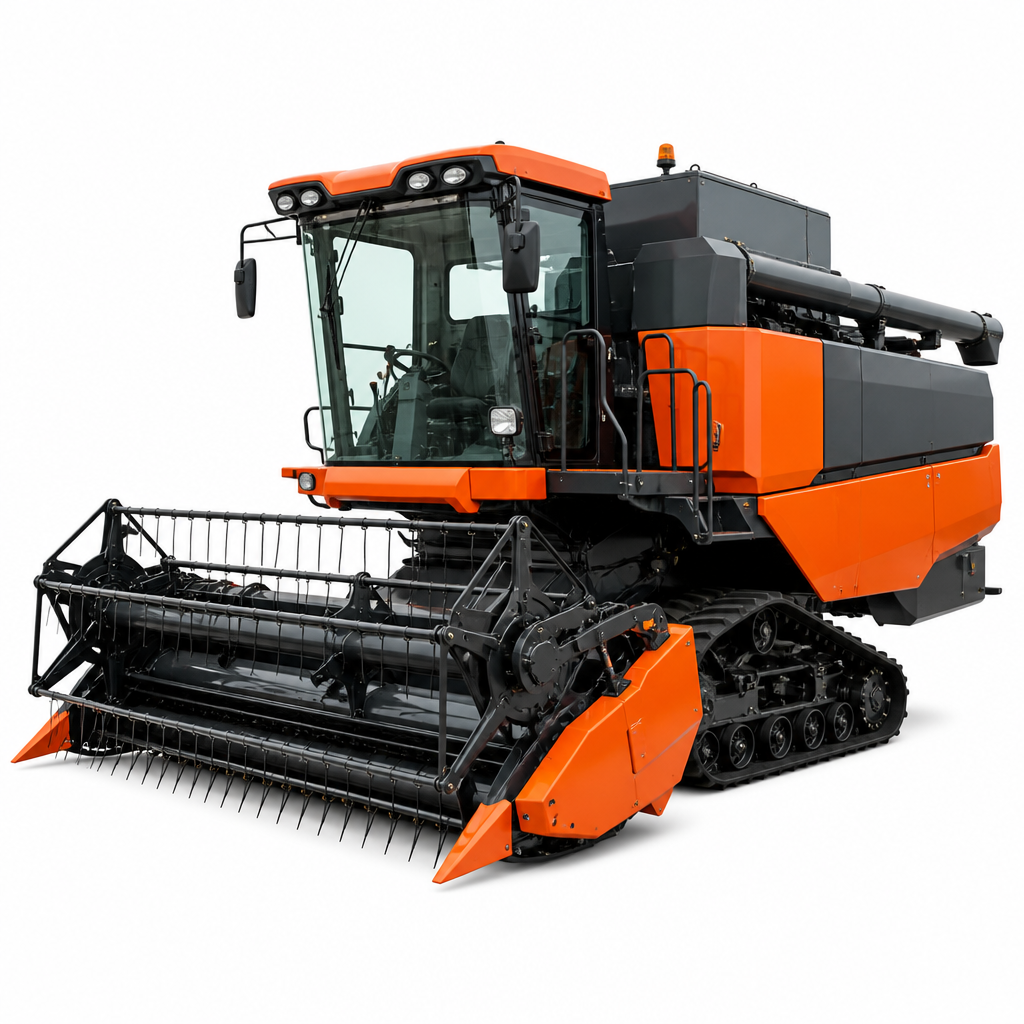
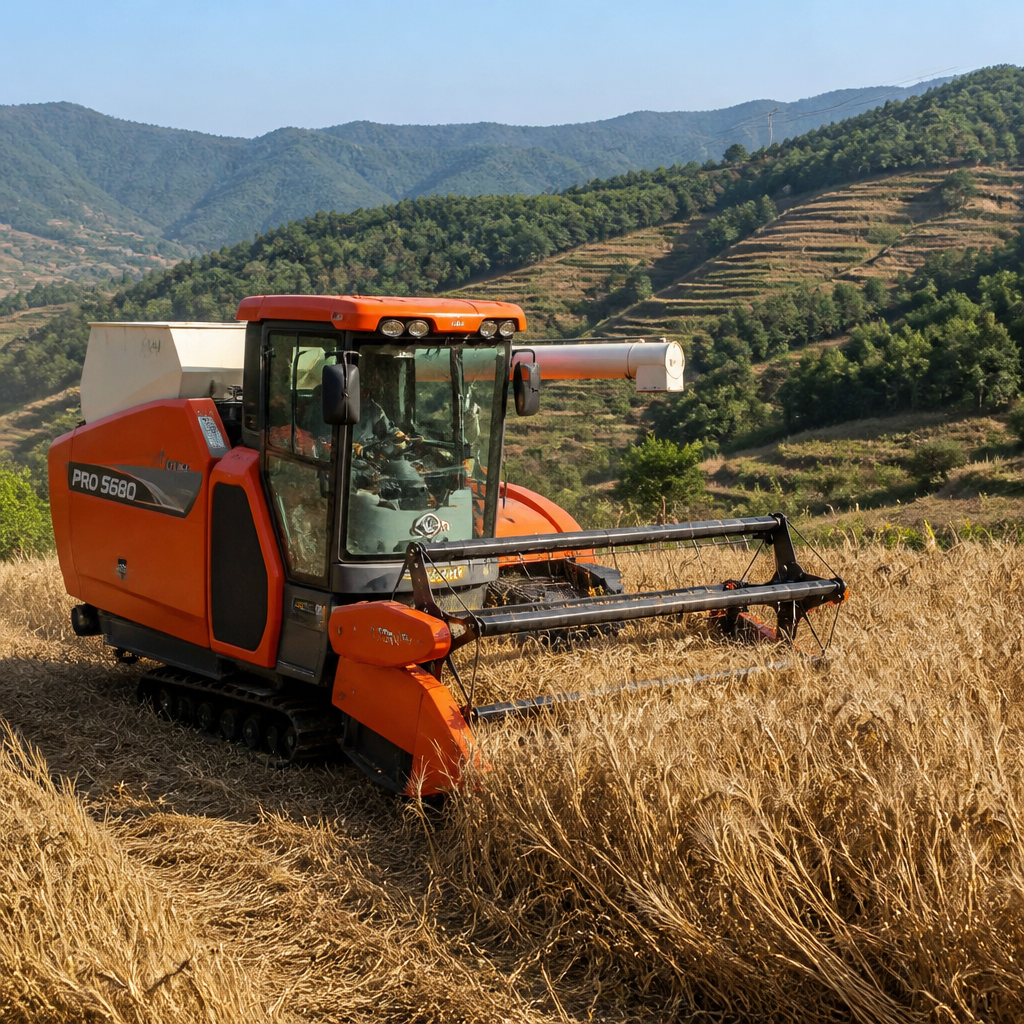
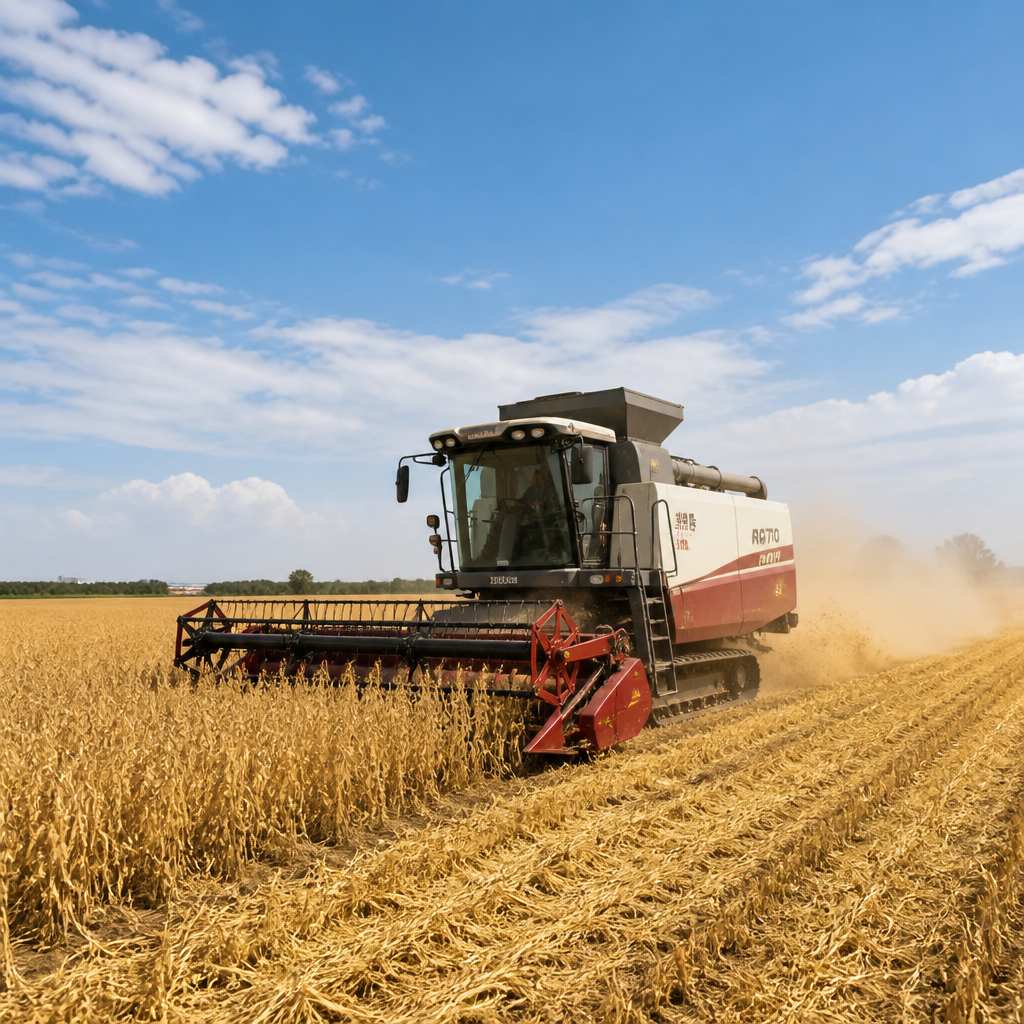
Farming combines are essential machinery in modern agriculture, designed to efficiently harvest crops while minimizing labor and maximizing yield. As a B2B buyer, whether you're a purchasing manager, distributor, or product manager, understanding the critical specifications and factors influencing your investment is vital. This article will provide insights into key specifications to consider when sourcing farming combines, cost factors, installation guidance, common problems and solutions, and their applications in diverse agricultural settings.

Understanding the Cost Factors of Farming Combines

Understanding the Cost Factors of Farming Combines

Cost is a significant consideration when purchasing a farming combine. Several factors contribute to the total price:

Initial Purchase Price: This includes the base cost of the combine and optional features. Comparing models and configurations is essential for ensuring you receive the best value.

Operating Costs: Fuel efficiency, maintenance, and repair costs should be factored into your budget. A more fuel-efficient model may have a higher initial cost but could save money in the long run. For instance, investing in a Grain Crusher 3 kW Electric Mill for Poultry Feed Milling might reduce feed costs significantly.

Financing Options: Many manufacturers offer financing solutions that can impact your overall cost. Evaluate these options carefully, as they can affect cash flow and budgeting for operations.

Warranty and Service Contracts: Consider the terms of warranties and service agreements, as these can influence long-term operational costs. A robust warranty can protect against unexpected repair expenses.

Depreciation: Understanding the depreciation rate of the farming combine can help you assess its long-term value and potential resale opportunities.

By analyzing these cost factors, you can better prepare for negotiation and budgeting, ensuring a solid return on investment.

Installation Guidance for Efficient Farming Combine Setup

Installation Guidance for Efficient Farming Combine Setup

The installation and setup of a farming combine require careful planning to ensure optimal performance:

Site Preparation: Ensure that the installation site is accessible for the combine's size and weight, considering any potential obstacles like uneven terrain or overhead structures.

Assembly Instructions: Follow manufacturer guidelines for assembly. Proper assembly is crucial to avoid operational issues later. Ensure that all components are securely fastened and calibrated as per specifications.

Testing and Calibration: Before full operation, conduct a test run to calibrate settings such as cutting height and speed. Adjustments may be necessary based on initial performance assessments.

Training for Operators: Providing adequate training for operators is essential to maximize the efficiency of the farming combine. Familiarity with controls and features can significantly impact productivity.

Regular Maintenance Routines: Establish a maintenance schedule from the beginning to prevent breakdowns and prolong the machine's life. Documentation of maintenance activities can also be beneficial for warranty claims.

By following these guidelines, you can ensure a smooth installation process and enhance the overall efficiency of your farming operations.

Common Problems with Farming Combines and Effective Solutions

Common Problems with Farming Combines and Effective Solutions

While farming combines are designed for durability and efficiency, they can encounter various issues. Here are some common problems and solutions:

Clogging: This often occurs in the cutting mechanism, particularly in high-yield crops. Regular cleaning and maintenance of the cutting components can prevent this issue. Additionally, ensure that the cutting height is set correctly for the crop type.

Poor Grain Quality: Inefficient threshing or separation can result in damaged grains. Regularly inspect and adjust the threshing settings based on the crop conditions to maintain quality.

Electrical Failures: Electrical issues can disrupt operations. Conduct routine checks on wiring and connectors to ensure proper functionality. Have a qualified technician on hand for complex electrical repairs.

Overheating: This can occur during prolonged operation. Ensure that cooling systems are functioning correctly and that air filters are clean. Monitoring operating temperatures can help prevent overheating.

Tire Wear: Uneven tire wear can lead to operational inefficiencies. Regularly check tire pressure and alignment to ensure even wear and optimal traction.

By recognizing these common issues and implementing preventive measures, you can maintain the efficiency and longevity of your farming combine.

Applications of Farming Combines in Diverse Agricultural Settings

Farming combines are versatile machines utilized in various agricultural applications:

Cereal Crops: They are primarily used for harvesting grains such as wheat, barley, and oats. Their design allows for effective threshing and separation of grains from chaff.

Oilseed Crops: Combines are also effective for harvesting oilseeds like canola and sunflower, where the machine's adaptability to different cutting widths is beneficial.

Row Crops: For crops such as corn and soybeans, specialized attachments may be required. These adaptations allow for efficient harvesting while minimizing crop damage.

Mixed Farming Operations: Many farmers employ combines in diversified operations, where the machine's ability to switch between crop types enhances overall productivity.

Custom Harvesting Services: Some companies offer harvesting services to multiple farms, utilizing combines that can be adjusted for various crop types, making them invaluable in cooperative farming settings.

Understanding these applications helps buyers assess how a farming combine can fit into their operational strategy and maximize crop yield.

By focusing on these key aspects, potential buyers of farming combines can make informed decisions that align with their operational goals and agricultural needs.

Key Specifications to Consider When Sourcing Farming Combines

When sourcing farming combines, several specifications are crucial for ensuring optimal performance and suitability for your specific agricultural needs.

Engine Power: This directly influences the combine's ability to operate in various field conditions. Higher horsepower typically allows for faster harvesting and better performance in challenging terrains.

Cutting Width: The width of the cutting header affects the efficiency of the harvesting process. A wider header can cover more ground, reducing the time needed to harvest a field, but it must be compatible with the crop type and terrain.

Grain Tank Capacity: Larger tanks minimize the frequency of unloading, which can lead to increased harvesting efficiency. However, buyers should consider the balance between tank size and the overall weight of the combine.

Threshing and Separation Systems: Different combines utilize varying technologies for threshing and separating grains. Understanding these systems will help you evaluate their efficiency and maintenance needs.

Customization Options: Some manufacturers offer customization to meet specific crop needs or operational preferences. This could include adjustments for different crop types or enhancements for specific terrain conditions. For example, a 8-25HP Diesel Walk Behind Tractor Water-Cooled Hand Start Farm Tractor may provide additional flexibility for different farming operations.

Certifications: Ensure that the farming combine meets relevant standards, such as CE and ISO 9001, which indicate adherence to international quality and safety standards.

Understanding these specifications helps you make informed decisions that align with your operational requirements and budget constraints.

Frequently Asked Questions

What crops can this farming combine harvest?

Our farming combine handles grains like wheat, corn, barley, rice, and sorghum. It is configurable for crop type to optimize threshing and separation while minimizing losses.
Agripros supplies combines produced under ISO 9001 quality management and CE compliance, ensuring safety, reliability, and consistent manufacturing standards.
Yes. We provide tailored configurations and attachments suitable for small, medium, and large farms, based on field size, crop type, and productivity needs.
We provide lifecycle-based support including spare parts, maintenance guidance, technical training, and remote assistance to maximize uptime and performance.
Contact Agripros sales or support with your model and serial number. We supply genuine parts, digital manuals, and guidance to ensure correct maintenance and repairs.

Get a Free Quote

Our representative will contact you soon.
0/1000