Guide to 3pt Field Cultivators for Agriculture

application/3pt-field-cultivator, application/3pt-field-cultivator, 
Inquiry
Inquiry

3pt field cultivator

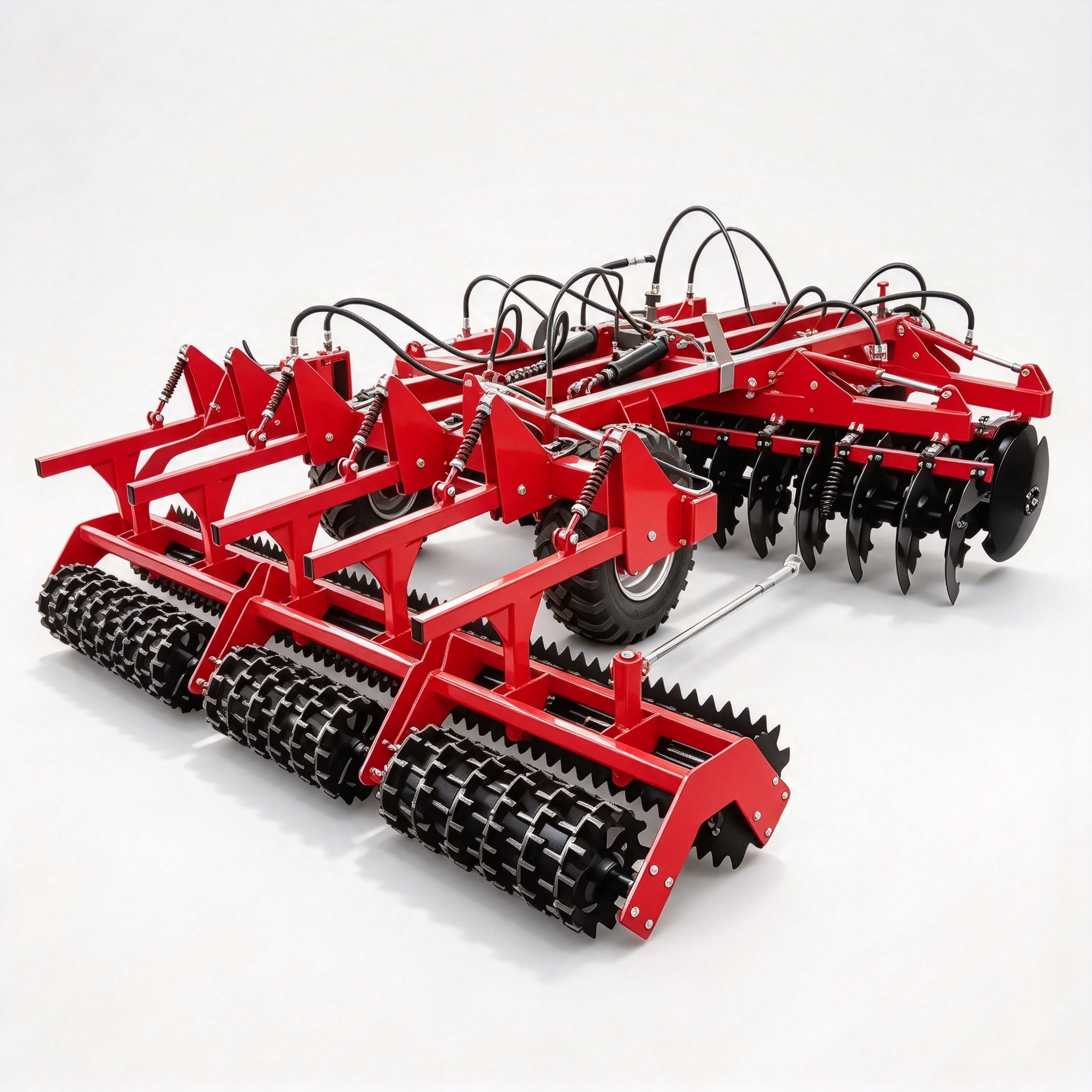
When it comes to optimizing soil for agriculture, a 3pt field cultivator is an invaluable tool. Designed to prepare the land for planting by breaking up compacted soil and mixing in nutrients, these cultivators are essential for achieving optimal crop yields. For buyers, understanding the specific needs of their farms, the technical specifications of cultivators, and the potential challenges during operation is crucial. This article will guide purchasing managers, distributors, and agricultural engineers through key considerations when selecting a 3pt field cultivator.

Key Specifications of 3pt Field Cultivators for Wholesale Buyers

Key Specifications of 3pt Field Cultivators for Wholesale Buyers

When evaluating 3pt field cultivators, several key specifications should be at the forefront of your decision-making process:

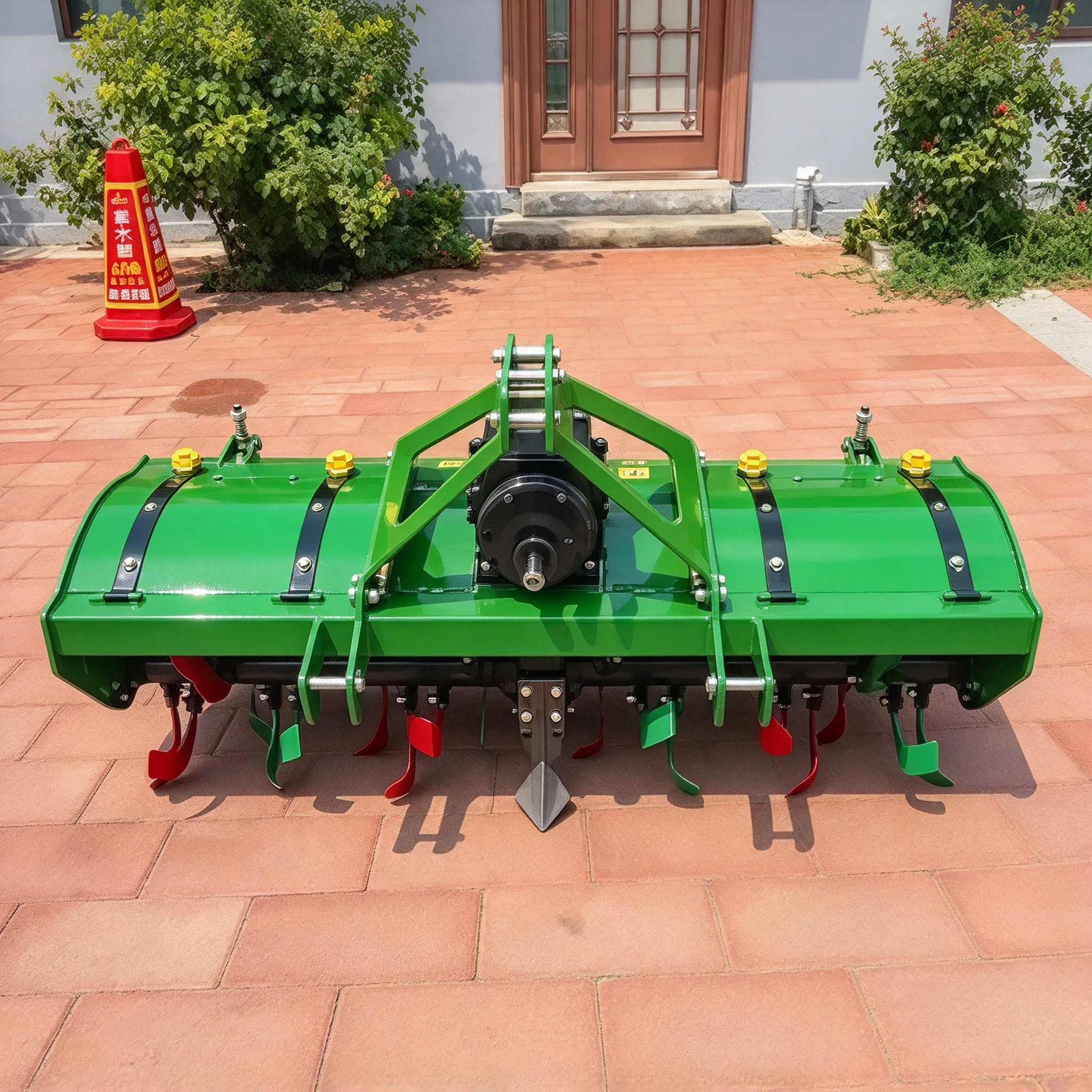
Tine Configuration and Material: The number and type of tines directly impact soil interaction. Look for cultivators with durable, high-carbon steel tines to ensure longevity and effectiveness in tough soil conditions.

Weight and Stability: Heavier cultivators tend to provide better soil penetration. However, ensure that weight does not compromise maneuverability. Stability during operation is critical, especially in uneven terrains.

Adjustable Features: Many modern cultivators come with adjustable features, allowing operators to modify tine depth and spacing. This flexibility can enhance performance across different soil types and crop requirements.

Durability and Maintenance: Check for models that feature robust construction and components designed for easy maintenance. This reduces downtime and extends the lifespan of your equipment.

Where to Source Reliable Suppliers for 3pt Field Cultivators

Where to Source Reliable Suppliers for 3pt Field Cultivators

Finding a trustworthy supplier is essential for ensuring quality and reliability. Here are some strategies to identify reputable sources:

Industry Directories and Trade Shows: Attend agricultural trade shows and consult industry directories to find established manufacturers and suppliers. This allows you to network and discover new products firsthand.

Certifications and Compliance: Verify that potential suppliers hold relevant certifications, such as CE or ISO 9001, which indicate adherence to quality standards. These certifications can provide assurance of the manufacturer’s commitment to quality and safety.

Customer Reviews and References: Look for testimonials from other agricultural professionals. Positive feedback and case studies can guide you in selecting a supplier known for their reliability and customer service.

Customization Capabilities: Assess suppliers based on their ability to offer customized solutions. A flexible supplier can accommodate specific needs, whether it's design alterations or unique specifications.

Cost Factors When Purchasing 3pt Field Cultivators in Bulk

Cost Factors When Purchasing 3pt Field Cultivators in Bulk

Understanding the cost structure when purchasing 3pt field cultivators is vital for budget management. Here are the main factors to consider:

Unit Price vs. Total Cost of Ownership: While unit price is a significant factor, also consider maintenance costs, durability, and the lifespan of the cultivator. A lower upfront cost may lead to higher long-term expenses if the equipment requires frequent repairs or replacement.

Bulk Purchase Discounts: Many manufacturers offer discounts for bulk purchases. Inquire about minimum order quantities (MOQ) and how pricing scales with larger orders.

Shipping and Handling Costs: Factor in additional costs for shipping, customs duties, and handling, especially for international orders. Understanding these costs upfront can prevent budget overruns.

Financing Options: Some suppliers may offer financing options or payment plans, which can ease the burden of a large purchase. Assess these options to determine what best fits your financial strategy.

Common Problems with 3pt Field Cultivators and Their Solutions

Awareness of common issues associated with 3pt field cultivators can help you mitigate risks and ensure smooth operation:

Tine Breakage: Heavy soil conditions or improper use can lead to tine breakage. Regular maintenance and inspection are crucial. Consider using cultivators with replaceable tines to minimize downtime.

Inconsistent Depth Control: If the cultivator does not maintain consistent depth, it can lead to uneven soil preparation. Adjustable depth settings can help, but operators should also ensure the tractor’s hydraulic system is functioning correctly.

Poor Soil Mixing: If the cultivator fails to mix soil thoroughly, it may not effectively incorporate nutrients. Choosing a model with a suitable tine design for your soil type can improve mixing effectiveness.

Wear and Tear: Over time, cultivators may experience wear and tear, affecting performance. Regular maintenance checks and prompt replacement of worn parts can prevent significant operational issues.

By understanding the intricacies of selecting, purchasing, and maintaining a 3pt field cultivator, buyers can make informed decisions that enhance their agricultural operations. Whether you're a purchasing manager, distributor, or engineer, these insights will serve as a valuable guide in your quest for efficient soil cultivation solutions.

What to Consider When Choosing a 3pt Field Cultivator for Your Needs

Selecting the right 3pt field cultivator begins with assessing the specific needs of your farming operation. Key factors include the type of crops you plan to cultivate, soil conditions, and the horsepower of your tractor.

Soil Type and Condition: Different field cultivators are designed for various soil types. For example, a cultivator with heavy-duty tines may be necessary for compacted, clay-heavy soils, while lighter models may suffice for sandy soils. Understanding the condition of your fields will help you choose a cultivator that can effectively manage soil preparation. Additionally, this is where Cultivators & Tillers play a crucial role in soil management.

Working Width and Depth: The working width of a cultivator affects efficiency; wider models can cover more ground in less time. However, the depth of cultivation is equally important. Ensure the chosen model can penetrate the soil to the required depth for effective aeration and nutrient mixing.

Tractor Compatibility: It’s essential to confirm that the cultivator is compatible with your tractor’s specifications, including its three-point hitch category. This ensures safe and efficient operation.

Customization Needs: Depending on your specific agricultural practices, you may require custom attachments or features. Discuss these needs with suppliers to find a cultivator that meets your unique requirements. For instance, consider how Sprayer & Fertilizer integration could enhance your farming efficiency.

Frequently Asked Questions

What is the 3pt field cultivator used for?

The 3pt field cultivator is for primary and secondary tillage, seedbed preparation, residue mixing, and weed control on farms and plantations.
It mounts on standard three-point hitch tractors; compatibility depends on tractor category and hitch type. Provide tractor model and PTO specs for confirmation.
Manufactured under CE and ISO 9001 standards to ensure safety, durability, and consistent quality across production.
Routine checks include bolt tightness, tine wear, lubrication of moving parts, and hydraulic hose inspection. Replace worn tines and service annually.
Yes. Agripros offers lifecycle-based, tailored solutions for different soil types and farm sizes. Contact with field details enables customization options.

Get a Free Quote

Our representative will contact you soon.
0/1000