Choosing the Right Combine for Your Agricultural Needs

application/a-combine, application/a-combine, 
Inquiry
Inquiry

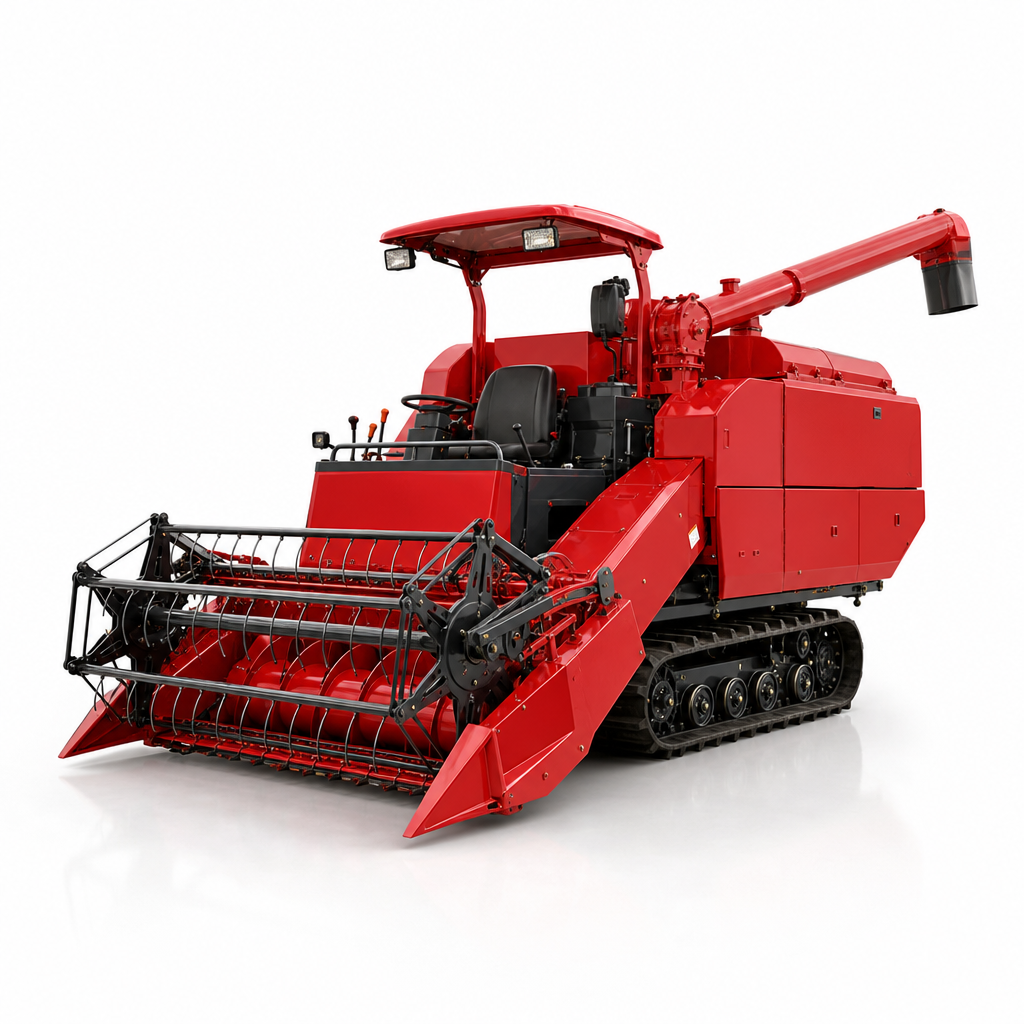
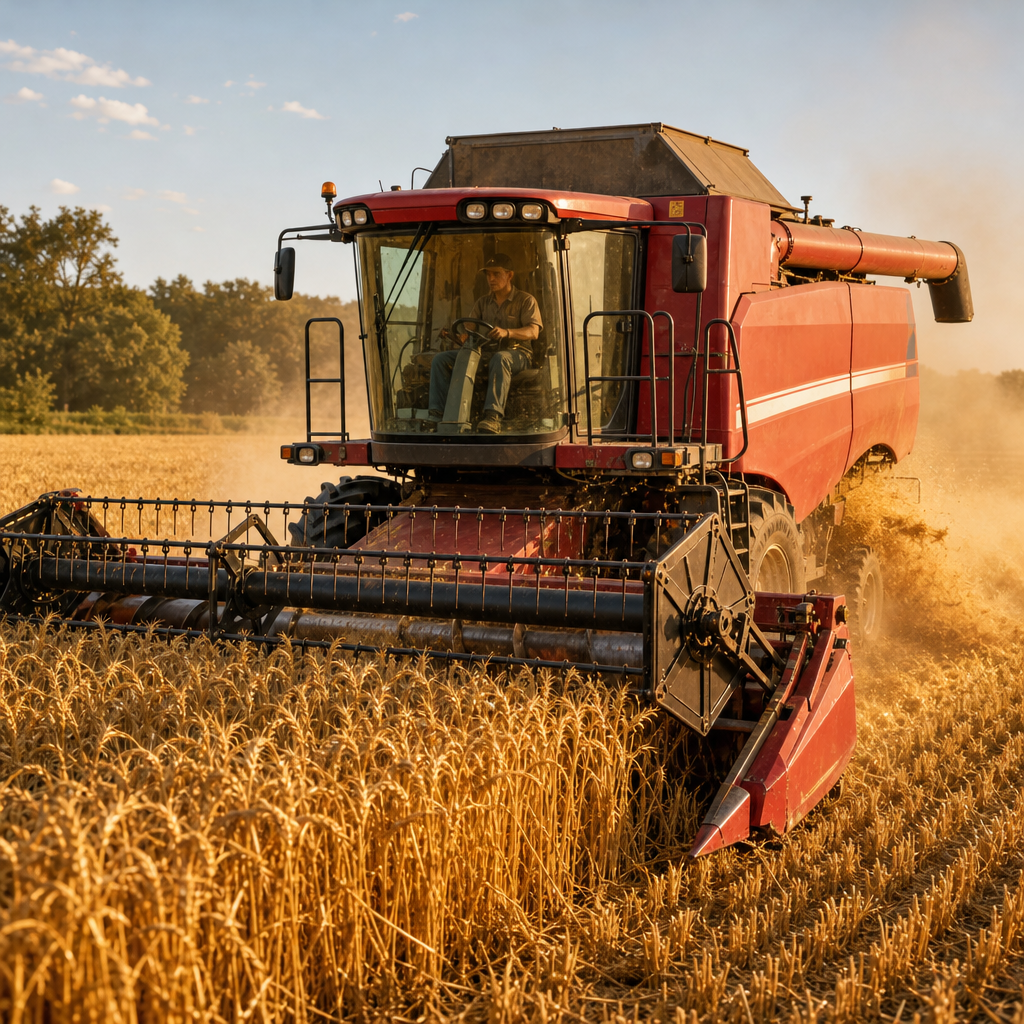
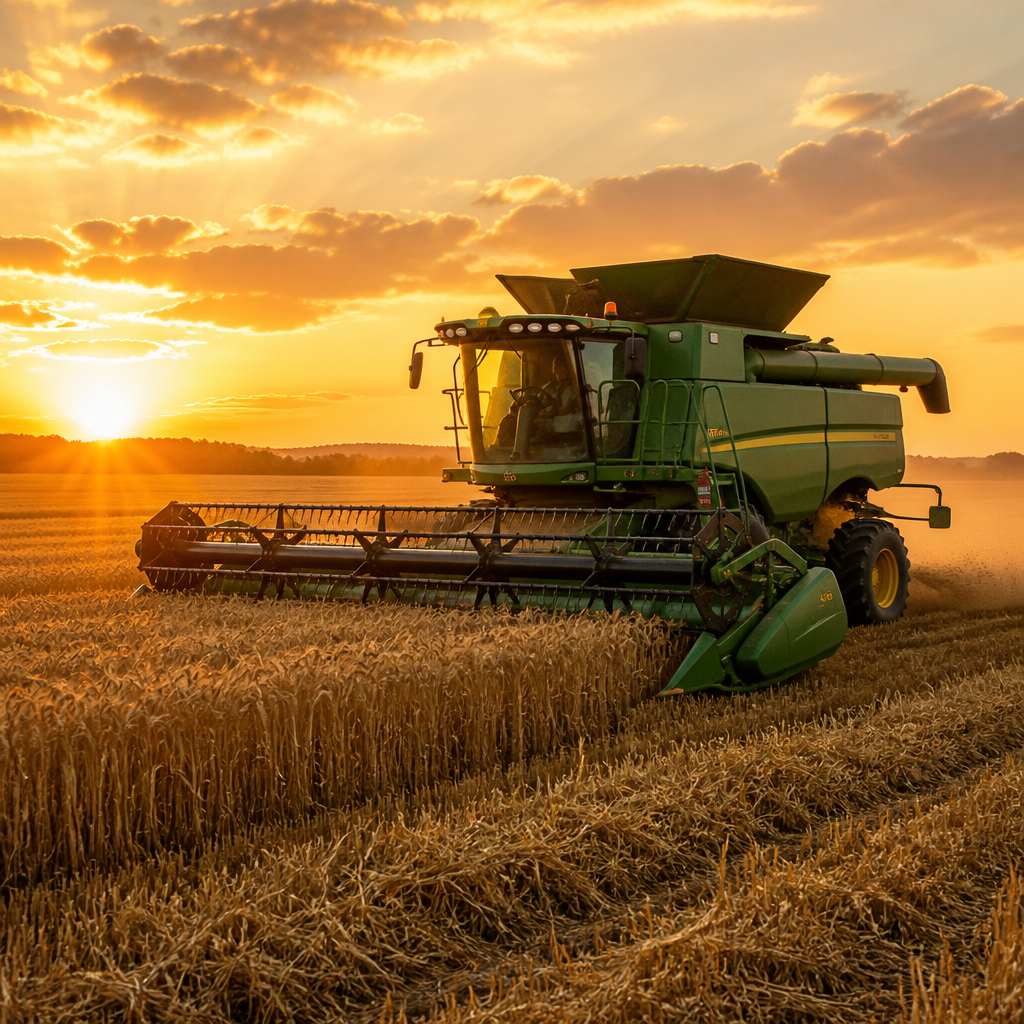
a combine

Choosing the right combine for agricultural operations is crucial for optimizing productivity and ensuring efficient harvesting. A combine is an essential piece of machinery that integrates multiple harvesting operations into one process, making it a key investment for farms and plantations. As a B2B buyer, you may have concerns regarding specifications, cost, compatibility, and installation. This article will provide insights into what to consider when purchasing a combine, helping you make informed decisions that align with your operational needs.

Key Specifications of Combines for Wholesale Buyers

Key Specifications of Combines for Wholesale Buyers

Understanding the key specifications of combines is crucial for making an informed purchase. Here are some important aspects to consider:

Cutting Width: This determines how much crop can be harvested in one pass. A wider cutting width may improve efficiency but could also affect maneuverability in tight spaces.

Engine Power: Measured in horsepower, this specification affects the combine's performance, especially in challenging terrain or with dense crops. Adequate power ensures consistent operation without overloading the engine.

Grain Tank Capacity: The size of the grain tank impacts how often the combine needs to be emptied. Larger tanks allow for longer operation between unloads, improving efficiency during harvest.

Weight and Dimensions: The overall weight and size of the combine affect its transportability and compatibility with various terrains.

Technology Features: Modern combines come equipped with precision farming technology, such as GPS guidance and yield monitoring, which can provide valuable data to improve farming practices. Investing in Irrigation Systems can further enhance these technology features.

Each of these specifications should be aligned with the specific needs of your operations to ensure optimal performance.

Cost Factors to Consider When Buying a Combine

Cost Factors to Consider When Buying a Combine

The cost of a combine can vary significantly based on several factors. Firstly, the initial purchase price is often the most apparent cost. However, it's essential to consider long-term costs, such as maintenance, fuel consumption, and potential repairs.

Additionally, the availability of parts and the manufacturer's reputation for reliability can influence the overall cost of ownership. Brands with a proven track record may have higher upfront prices but can offer lower long-term costs due to durability and lower maintenance needs.

Financing options and bulk order discounts also play a crucial role in the total cost. Engaging with manufacturers like Agripros can provide insights into financing solutions and any available promotions for bulk purchases.

Lastly, consider the resale value of the combine. Models with higher demand or those from reputable manufacturers tend to retain their value better, which can be an essential factor for future upgrades.

Installation Guidance for Effective Use of Your Combine

Installation Guidance for Effective Use of Your Combine

Proper installation is vital for ensuring that your combine operates efficiently and safely. Before installation, review the manufacturer's guidelines and specifications to understand any specific requirements.

Site Preparation: Ensure that the installation site is clear and meets any necessary spacing and weight specifications. This helps prevent future operational issues.

Assembly: Follow the manufacturer's instructions for assembling the combine carefully. Any mistakes during assembly can lead to operational inefficiencies or potential damage.

Testing: Once installed, conduct a thorough test of the combine to ensure it operates as intended. Check for any leaks, unusual noises, or performance issues.

Training: Providing adequate training for operators is essential. Ensure that all personnel are familiar with the combine's controls, features, and safety protocols to maximize productivity and minimize accidents.

By adhering to these guidelines, you can ensure that your combine operates effectively from the outset.

Applications of Combines in Diverse Agricultural Settings

Combines are versatile machines that can be used across various agricultural settings and for different crops. Here are some common applications:

Cereal Crops: Combines are primarily used for harvesting grains such as wheat, barley, and oats. Their ability to efficiently cut, thresh, and separate grain makes them indispensable in cereal farming.

Row Crops: For crops like corn and soybeans, specialized combines equipped with row crop headers can harvest effectively, adapting to the layout of the fields.

Forage and Specialty Crops: Some combines are modified for harvesting specialty crops, such as sugar beets or canola, which require specific cutting and handling techniques.

Multi-Functional Use: Advanced models can adapt to different types of crops by changing attachments or settings, making them suitable for farms that cultivate diverse crops.

Understanding the applications of combines can help you select the right model that meets your specific operational needs and enhances harvesting efficiency.

By considering these aspects when purchasing a combine, you will be better prepared to make an informed decision that aligns with your agricultural goals and operational requirements.

What to Consider When Choosing a Combine for Bulk Orders

When purchasing combines in bulk, several factors come into play that can significantly affect your investment. First, consider the intended application of the combines. Different models cater to various crops and harvesting conditions. For instance, a combine designed for wheat may not perform optimally for rice or corn. Additionally, understanding the types of Processing Machines available can enhance your decision-making process.

Next, evaluate the size and capacity of the combines. This includes the cutting width, grain tank capacity, and the horsepower of the engine, which will determine how much area can be harvested in a given time. Additionally, consider the machine's adaptability to your existing equipment and farming practices. A combine that integrates well with your current infrastructure can minimize disruptions and enhance productivity.

Finally, assess the support and service offered by the manufacturer. Established suppliers, like Agripros, often provide comprehensive after-sales service, which is vital for maintenance and repairs, ensuring the longevity of your investment.

Get a Free Quote

Our representative will contact you soon.
0/1000