Key Specifications for Agricultural Combines

application/agricultural-combine, application/agricultural-combine, 
Inquiry
Inquiry

agricultural combine

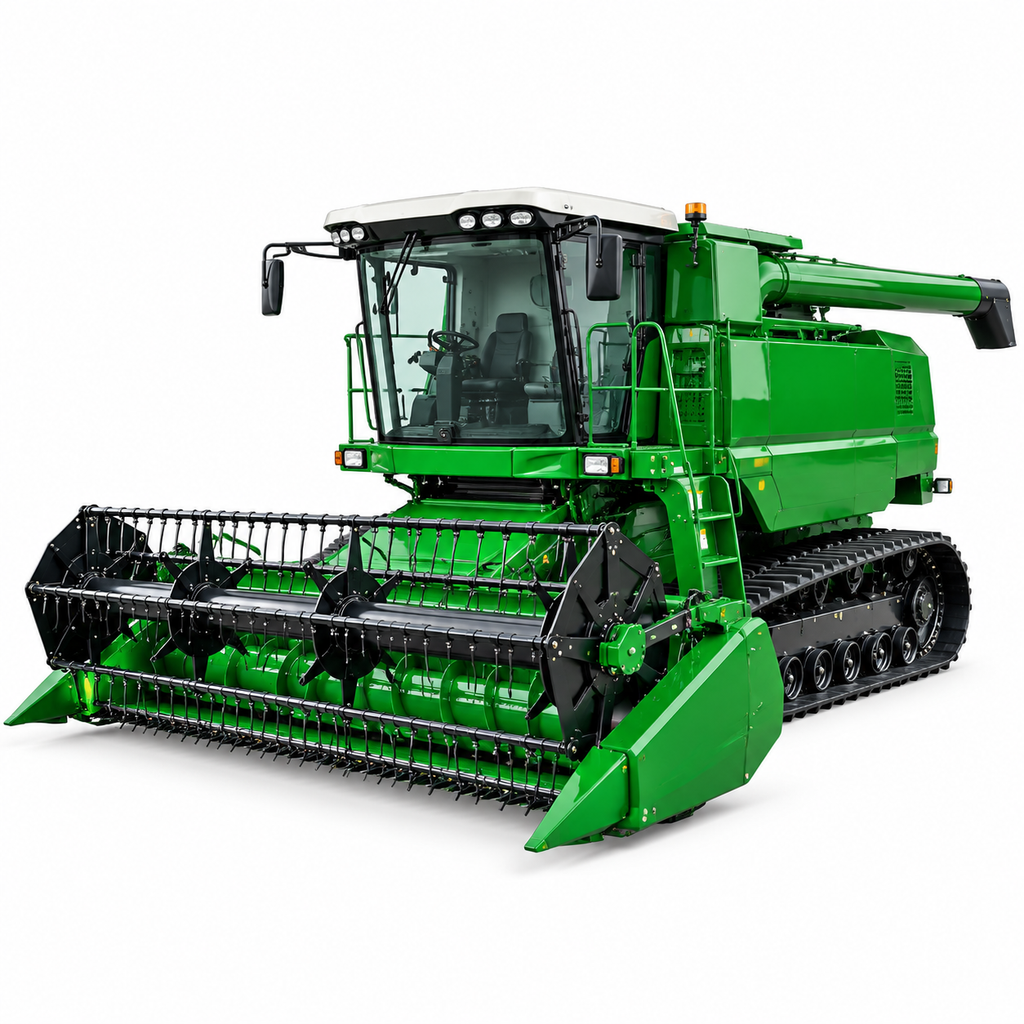
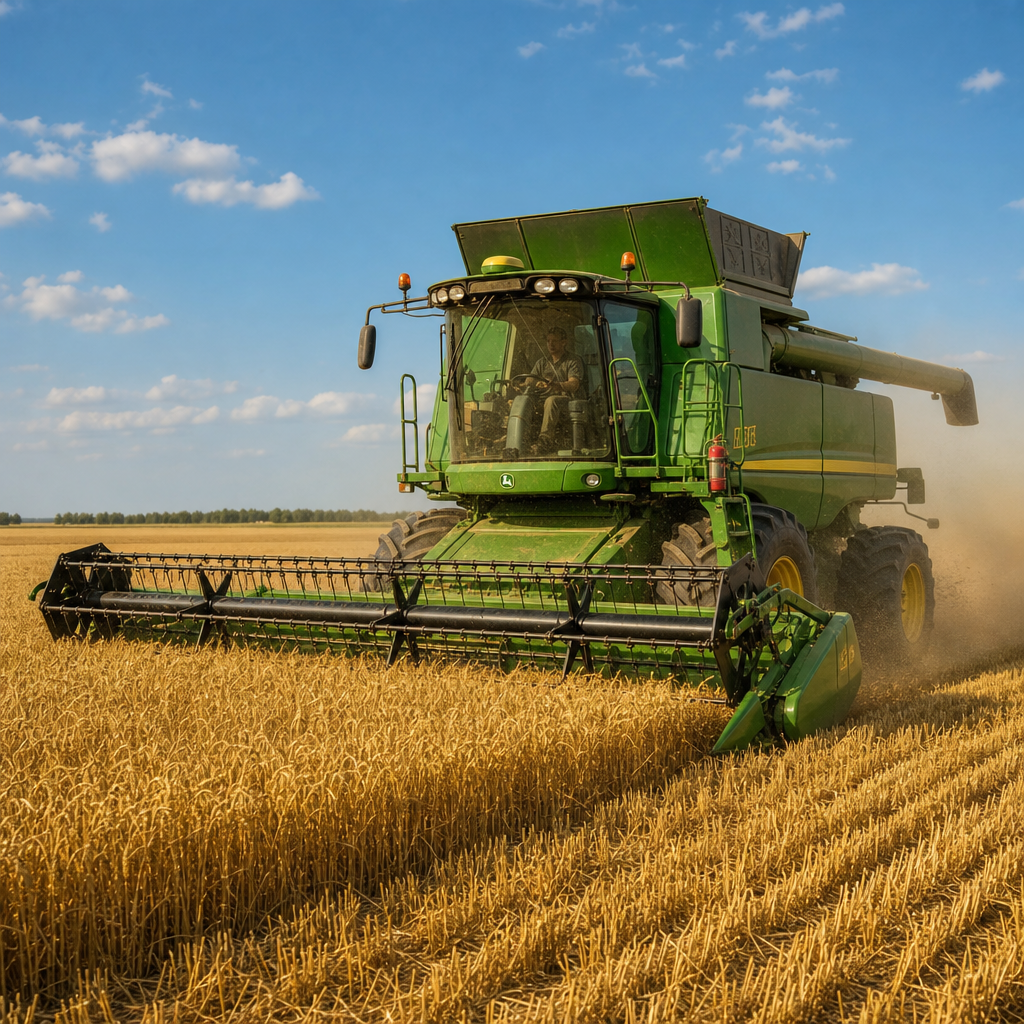
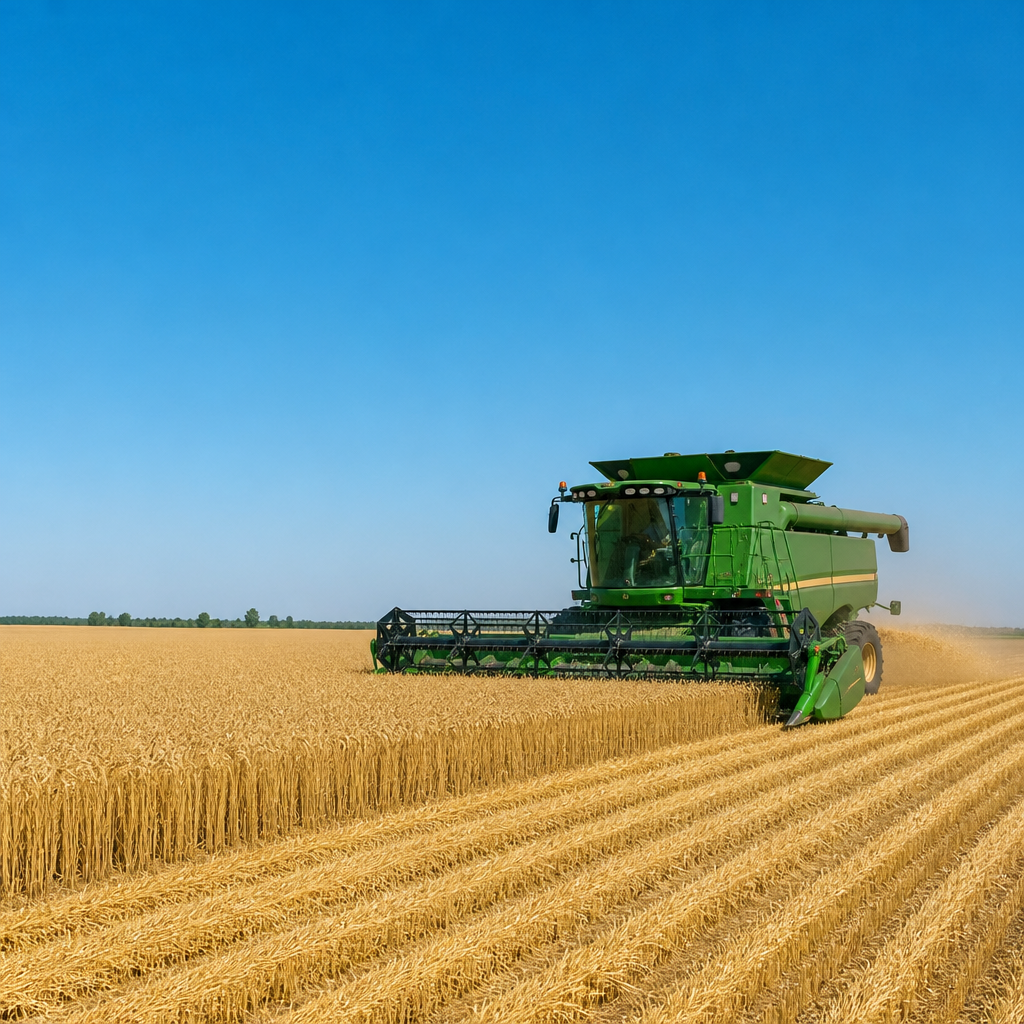
Agricultural combines are essential machinery in modern farming, designed to efficiently harvest crops by combining tasks of reaping, threshing, and winnowing. For B2B buyers, such as purchasing managers and farm operators, understanding the specifications, costs, and operational guidance of agricultural combines is crucial for making informed decisions. This article aims to provide insights into key specifications, cost considerations, installation guidance, common challenges, and material advantages when evaluating agricultural combines.

Cost, Quality, and Features

Cost, Quality, and Features

The cost of agricultural combines can vary significantly based on features, quality, and brand reputation. Buyers should consider the following factors:

Base Price vs. Features: While a lower initial price may seem attractive, it's essential to evaluate the features included. Advanced technology, automation capabilities, and superior build quality can justify a higher price point.

Quality Assurance: Look for manufacturers with CE/ISO 9001 certifications, as these indicate adherence to quality management standards. This can reduce the risk of operational issues and ensure longevity.

Total Cost of Ownership: Assess ongoing costs such as maintenance, fuel efficiency, and downtime. An efficient combine may have a higher upfront cost but result in lower operational costs over time. It's also worth considering options like Tractors which can enhance overall farming operations.

Financing Options: Many manufacturers and dealers offer financing plans that can spread the cost over time, making it easier for businesses to invest in high-quality machinery.

By conducting a thorough cost-benefit analysis, buyers can ensure they invest in combines that offer the best value over their operational lifespan.

Installation Guidance for Optimal Use of Agricultural Combines

Installation Guidance for Optimal Use of Agricultural Combines

Proper installation and setup of agricultural combines are crucial for optimal performance. Here are several key steps to consider:

Assembly: Ensure that the combine is assembled according to the manufacturer's specifications. Following the installation manual closely can prevent issues during operation.

Calibration: Calibration of settings for the header, threshing system, and grain tank is vital. Each crop type may require different settings to optimize performance and reduce losses.

Training: Operators should receive thorough training on the combine's features and controls. Understanding how to utilize technology effectively can significantly enhance operational efficiency.

Maintenance Checks: Before the first use, perform a comprehensive maintenance check, including fluid levels, belt tensions, and the functionality of electronic systems. Regular maintenance is key to preventing breakdowns during harvesting.

Field Testing: Conduct field tests to assess the combine’s performance under real conditions. This can help identify any adjustments needed for optimal operation.

Following these guidelines will help ensure that the agricultural combine operates efficiently and effectively, maximizing productivity during the critical harvesting period.

Common Problems with Agricultural Combines and Their Solutions

Common Problems with Agricultural Combines and Their Solutions

Despite their efficiency, agricultural combines can experience common issues that may hinder performance. Here are some typical problems and their solutions:

Poor Threshing Performance: If the combine is not effectively separating grain from chaff, check the settings of the threshing drum and the moisture content of the crop. Adjusting the speed and airflow can often resolve this issue.

Clogged Grain Tank: This can occur if the tank is too full or the unloading system is malfunctioning. Regular monitoring and maintenance of the unloading auger can help prevent clogs.

Electrical Failures: Electrical issues can disrupt operation. Regular inspections of wiring and connections are essential, and investing in diagnostic tools can help identify problems early.

Wear and Tear: Components such as belts and chains undergo significant stress. Regular inspections and timely replacements can prevent breakdowns during critical harvesting periods.

Fuel Efficiency Issues: If the combine is consuming more fuel than expected, check tire pressures, engine performance, and the calibration of the fuel system. Proper maintenance and tuning can improve fuel efficiency.

By being proactive about maintenance and troubleshooting, buyers can mitigate these common problems and ensure consistent performance from their combines.

Understanding Material Advantages of High-Quality Combines

The materials used in manufacturing agricultural combines significantly impact their durability, performance, and maintenance needs. Here are key material considerations:

Frame Material: High-quality steel is commonly used for frames due to its strength and resistance to bending under load. This ensures that the combine can withstand the rigors of fieldwork.

Wear Parts: Components like blades and augers should be made from high-strength alloys or hardened materials to resist wear and tear, extending their lifespan.

Corrosion Resistance: Coatings and treatments that enhance corrosion resistance are essential, especially for combines operating in wet or humid conditions. This helps maintain performance and reduces maintenance costs.

Weight Considerations: Materials that balance strength with weight are crucial for maneuverability without sacrificing durability. Innovations in lightweight composites may offer benefits in specific applications.

Sustainability: As the industry moves toward more sustainable practices, materials that are recyclable or sourced from sustainable processes are increasingly valuable to buyers concerned about environmental impact.

Understanding these material advantages enables buyers to select combines that not only meet their operational requirements but also align with their long-term maintenance and sustainability goals.

By considering these various aspects—specifications, costs, installation, common issues, and materials—buyers can make informed decisions when investing in agricultural combines, ultimately enhancing their operational efficiency and productivity.

Key Specifications to Evaluate When Sourcing Agricultural Combines

When sourcing agricultural combines, buyers should focus on several key specifications that directly impact performance and efficiency. Key specifications include:

Header Width: The width of the header affects the amount of crop harvested in one pass. Wider headers can increase efficiency but may require more powerful machinery to operate effectively.

Engine Power: The engine's horsepower determines the combine's ability to handle various crop types and field conditions. Higher engine power is essential for tougher crops and hilly terrains.

Grain Tank Capacity: A larger grain tank allows for longer harvesting runs without the need for frequent unloading, thus improving productivity.

Thresher and Separator Efficiency: These components must be capable of effectively separating grain from chaff without significant losses. Buyers should inquire about the combine's threshing technology and its performance in different crop conditions.

Weight and Size: The overall weight and dimensions impact maneuverability and transportability, especially in smaller fields or when moving between locations.

Technology Integration: Features such as GPS guidance, yield monitoring, and telematics can enhance efficiency and data collection for better farm management. Additionally, investing in Sprayer & Fertilizer systems can complement the use of combines for overall farm productivity.

Understanding these specifications helps buyers match the right combine to their specific operational needs, ensuring better performance and efficiency in the field.

Frequently Asked Questions

What crops can this agricultural combine harvest?

Our combine handles cereals like wheat, barley, rice, maize, and soybeans. It can be configured for specific crop heads to optimize harvesting efficiency across plantations and farms.
The combine is produced under CE and ISO 9001 management systems, ensuring compliance with safety, quality, and manufacturing standards for international use.
Agripros offers tailored lifecycle support including scheduled maintenance plans, spare parts supply, and technical guidance to extend machine longevity and uptime.
Yes. We provide scalable configurations and header options to match field size, crop type, and productivity needs, with recommendations based on your operation.
Spare parts and after-sales service are available through our service network. Contact our sales team with model details to arrange parts, service schedules, or technical support.

Get a Free Quote

Our representative will contact you soon.
0/1000