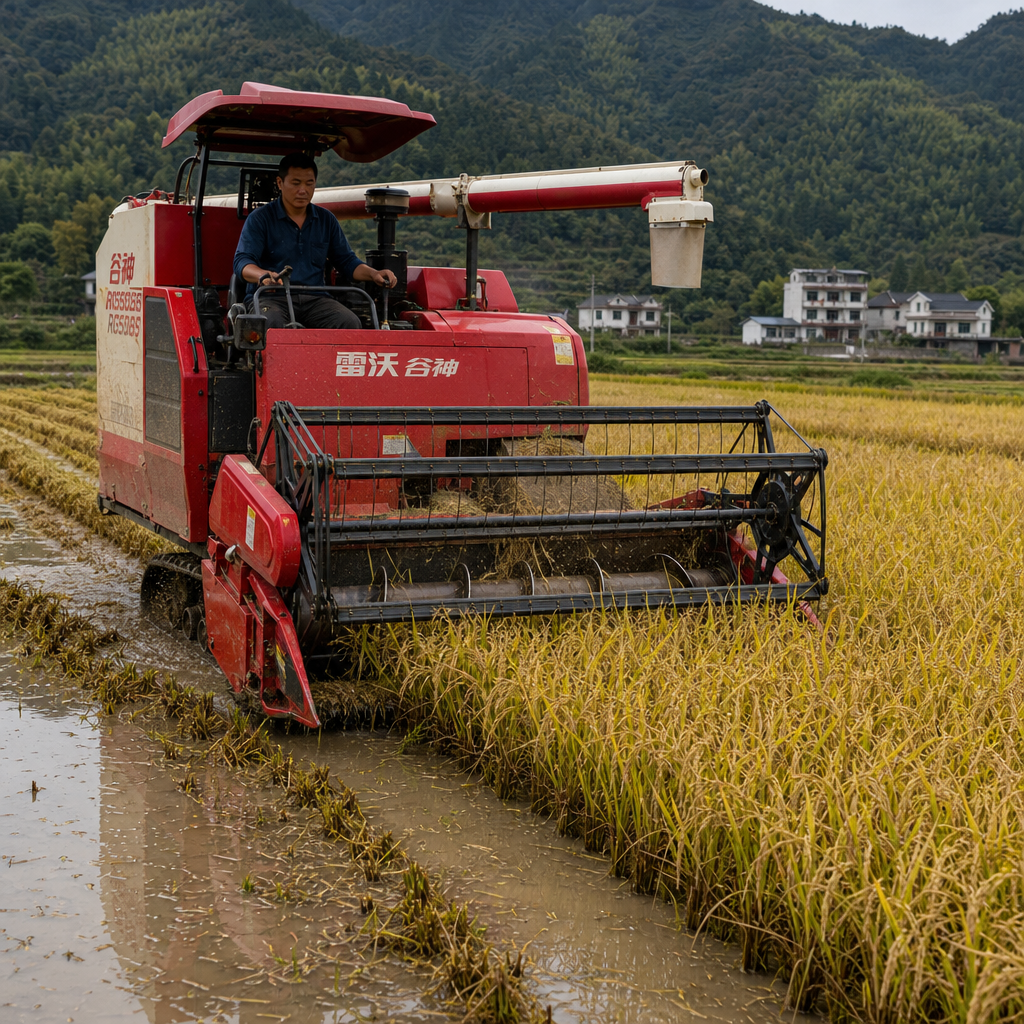
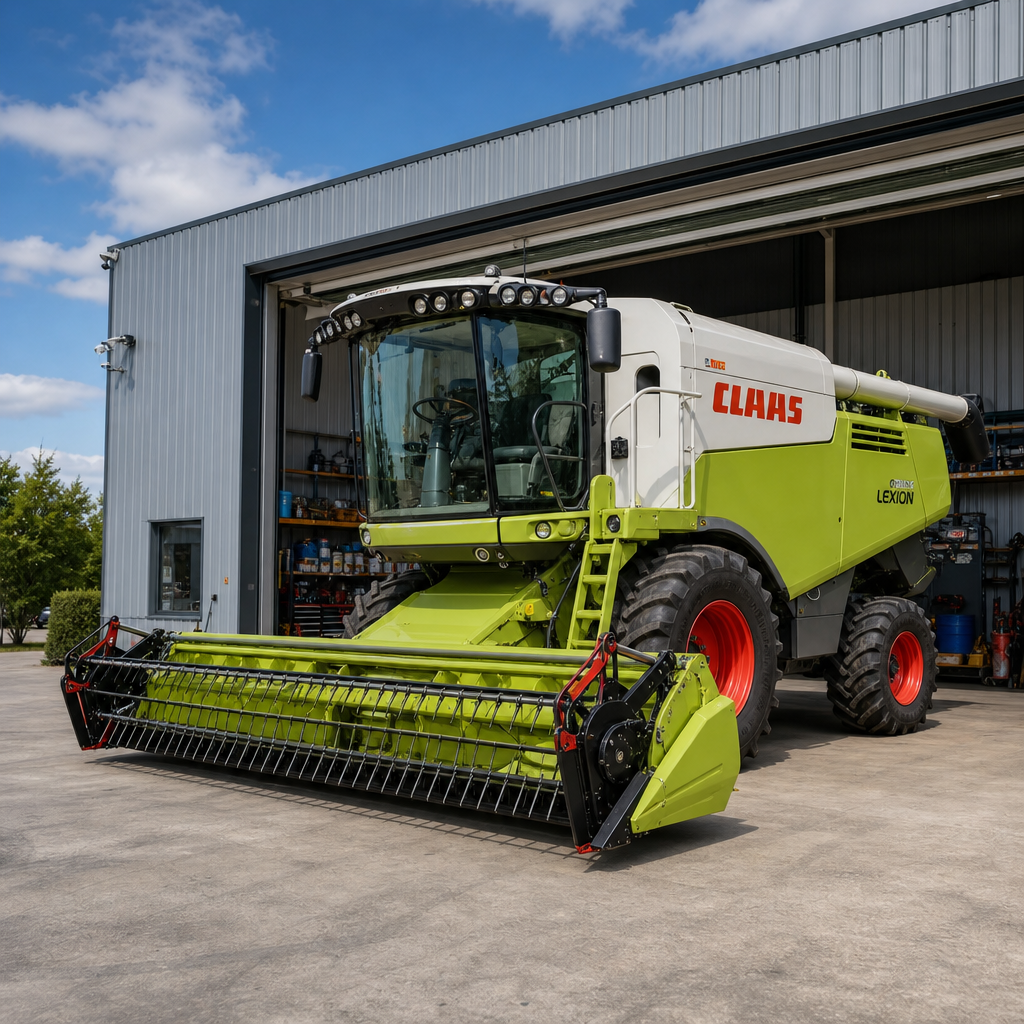
Key Factors for Choosing a Combine Harvester

application/a-combine-harvester, application/a-combine-harvester, 
Inquiry
Inquiry

a combine harvester

Combine harvesters are essential agricultural machines designed to streamline the harvesting process by cutting, threshing, and cleaning grain crops in a single operation. For B2B buyers such as purchasing managers and agricultural engineers, the decision to invest in a combine harvester involves considerations around performance, efficiency, and long-term support. We will explore key factors to consider when selecting a combine harvester, address common problems and their solutions, provide installation guidance, discuss cost factors, and outline what to expect from your combine harvester partner. Additionally, understanding the role of Processing Machines in agricultural efficiency can also enhance your decision-making process.

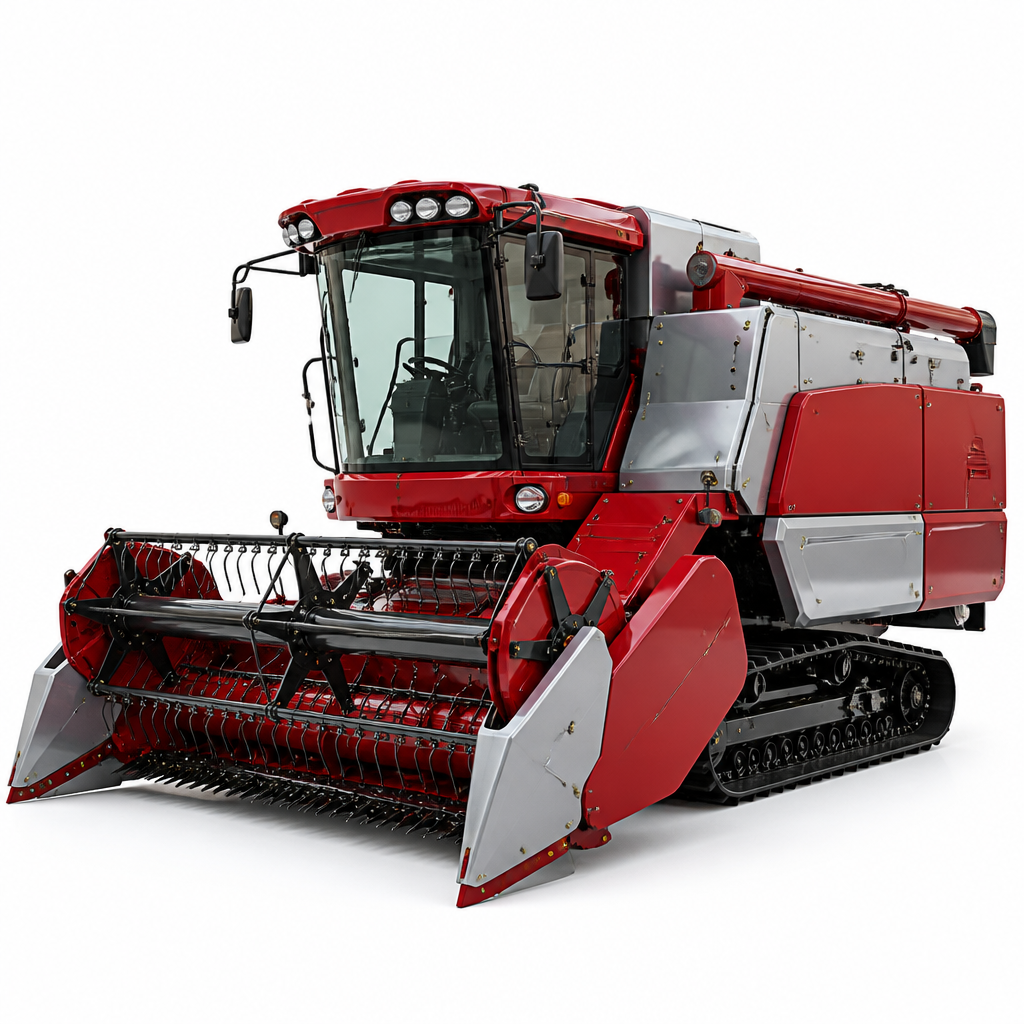
Common Problems with Combine Harvesters and Effective Solutions

Common Problems with Combine Harvesters and Effective Solutions

Understanding potential issues with combine harvesters can help mitigate operational disruptions. Here are some common problems and their solutions:

Clogging: This often occurs with wet or dense crops. Regular cleaning of the feeder house and adjusting the feed rate can help prevent clogging. Additionally, ensuring that the harvester is set up correctly for the specific crop type can enhance flow.

Poor Threshing Performance: Insufficient threshing can lead to grain loss. Regularly check and adjust the concave clearance and rotor speed according to the manufacturer's recommendations to optimize performance.

Mechanical Failures: Routine maintenance, including oil changes and inspection of belts and gears, is essential to avoid unexpected breakdowns. Keeping a close eye on wear parts can help predict failures before they occur.

Calibration Issues: Inaccurate calibration can lead to yield loss and inefficiencies. Ensure that your harvester is properly calibrated before the harvest season, and consider periodic recalibration during use.

Installation Guidance for Efficient Combine Harvester Use

Installation Guidance for Efficient Combine Harvester Use

Proper installation and setup of your combine harvester are critical for achieving optimal performance. Here are key steps to ensure a smooth installation process:

Site Preparation: Ensure the installation site is clear and accessible. Adequate space for maneuvering and maintenance is vital.

Assembly: Follow the manufacturer’s instructions meticulously during assembly. If possible, engage a technician from the supplier to assist with the setup to ensure all parts are correctly installed and calibrated.

Testing: Once assembled, conduct a thorough test run. Monitor the machine's performance, checking for any unusual sounds or behaviors. This initial test can help identify any adjustments needed before full-scale operation.

Operator Training: Ensure that operators are well-trained on the machine’s features and controls. Familiarity with the equipment can significantly enhance efficiency and safety.

Understanding Cost Factors When Purchasing a Combine Harvester

Understanding Cost Factors When Purchasing a Combine Harvester

The cost of a combine harvester can vary widely based on several factors:

Model and Features: Higher-end models equipped with advanced technologies tend to be more expensive. Assess which features are essential for your operations to avoid overspending.

Customization: Any additional customization will impact the overall cost. It’s essential to weigh the benefits of customized features against their expense.

Financing Options: Explore different financing options, including leasing versus purchasing. Depending on your cash flow and tax considerations, one option may be more advantageous than the other.

Long-term Costs: Consider not just the purchase price but also maintenance, fuel consumption, and potential downtime costs. A more efficient machine might have a higher upfront cost but save money in the long run.

What to Expect from Your Combine Harvester Partner

Choosing the right supplier for your combine harvester is as critical as selecting the machine itself. Here are expectations to have from your partner:

Expertise and Support: Your supplier should provide knowledgeable support regarding machine selection, operation, and maintenance. They should offer a reliable channel for technical assistance and troubleshooting.

Quality Assurance: Look for a supplier who adheres to industry standards, such as CE and ISO 9001 certifications. This ensures that the equipment meets rigorous quality and safety standards.

Responsive Service: Timely availability of spare parts and service is essential. A good supplier will have a robust logistics system to minimize downtime during critical harvesting periods.

Ongoing Training and Resources: Your supplier should offer training programs and resources to help your operators maximize the efficiency and lifespan of the combine harvester. Consider how Sprayer & Fertilizer equipment may also play a role in your overall agricultural strategy.

Investing in a combine harvester is a significant decision for any agricultural operation. By considering the factors outlined, you can make an informed choice that enhances your harvesting efficiency and supports your long-term agricultural goals.

Key Factors to Consider

When choosing a combine harvester, several key factors need careful consideration:

Crop Compatibility: Different harvesters are designed for specific types of crops such as wheat, corn, or soybeans. Understanding your primary crops will help you select a machine that performs optimally for your needs.

Harvesting Capacity: The capacity of the combine harvester, often measured in acres per hour, is crucial for matching the equipment to the size of your operation. Ensure the model you choose can handle your field sizes efficiently.

Technology Features: Modern combine harvesters come equipped with advanced technologies like GPS guidance and yield monitoring systems. These features can enhance productivity and provide valuable data for future planting decisions. For instance, integrating Irrigation Systems can complement the efficiency of harvesters.

Maintenance and Support: Consider the availability of service and parts. A reliable manufacturer will offer comprehensive support and easy access to spare parts, which is critical for minimizing downtime during the harvest season.

Customization Options: Depending on the specific needs of your operations, customization of certain features may be necessary. Discuss with your supplier the options for tailoring the harvester to better suit your farming practices.

Frequently Asked Questions

What crops can this combine harvester handle?

Our combine is designed for cereals such as wheat, rice, barley, and maize, with configurable headers to suit diverse crop types and field conditions.
Agripros supplies combines manufactured under CE and ISO 9001 quality management standards, ensuring safety, performance, and traceability.
We offer lifecycle-based support including a standard warranty, spare parts supply, and technical assistance tailored to your region and farm needs.
Yes. We provide configurable options for header width, engine power, and threshing settings to match small farms to large plantations across varied terrains.
Contact our sales team to discuss shipping to your country, on-site installation, operator training, and maintenance scheduling as part of a tailored delivery plan.

Get a Free Quote

Our representative will contact you soon.
0/1000