Choosing the Right Combine Farming Equipment

application/combine-farming-equipment, application/combine-farming-equipment, 
Inquiry
application/combine-farming-equipment, application/combine-farming-equipment, 
Inquiry

combine farming equipment

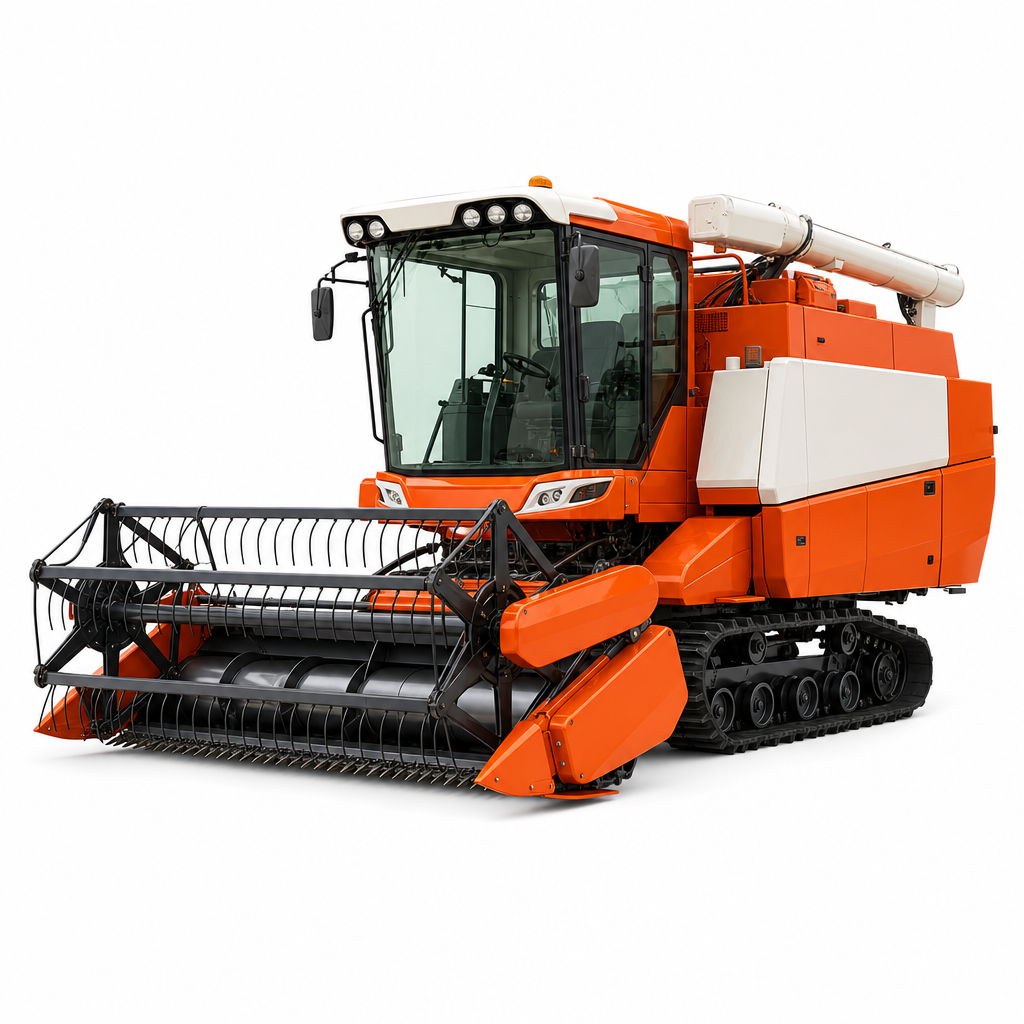
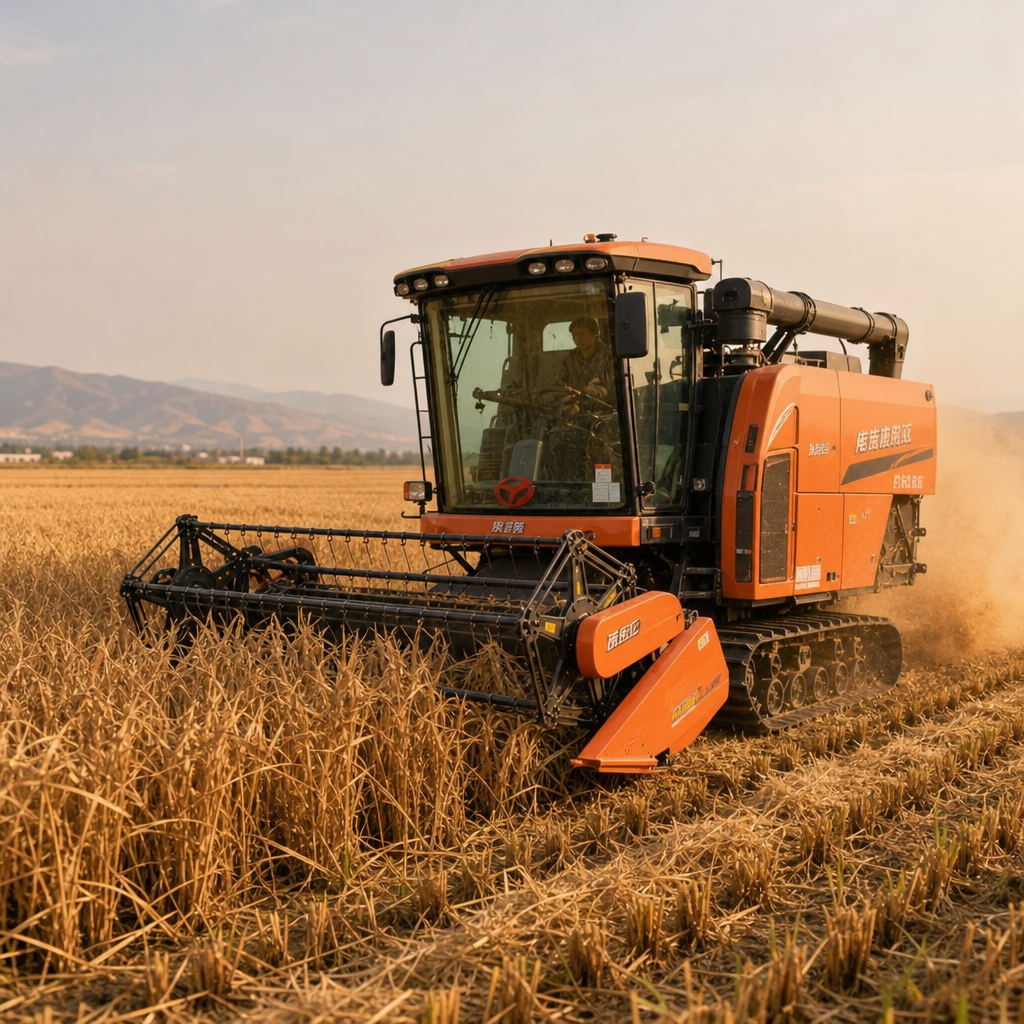
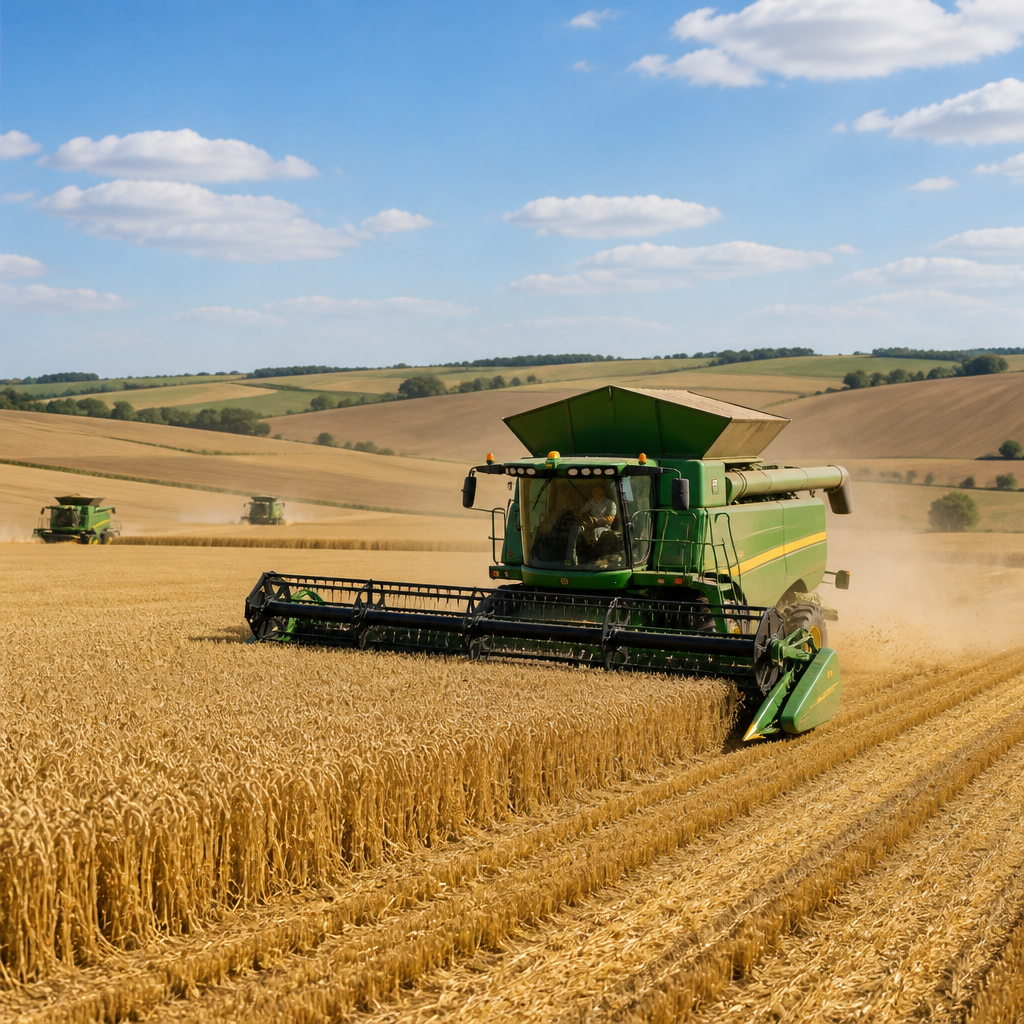
Choosing the right combine farming equipment is crucial for optimizing agricultural productivity. This equipment plays a vital role in streamlining processes such as harvesting, which directly affects efficiency and crop yield. For B2B buyers, including purchasing managers and engineers, the primary concerns often revolve around equipment specifications, cost, reliability, and supplier credibility. This article will guide you through essential considerations when selecting combine farming equipment, ensuring that you make an informed purchasing decision.

Key Specifications to Consider When Sourcing Combine Equipment

Key Specifications to Consider When Sourcing Combine Equipment

Several key specifications should be prioritized when sourcing combine farming equipment:

Power and Efficiency: The engine power is critical, as it determines the combine's ability to operate under various conditions. Higher horsepower can improve performance in challenging terrains. Assess fuel efficiency as well, especially since operational costs can escalate with inefficient machinery.

Cutting Width and Height Adjustment: The cutting width impacts how quickly you can harvest fields. Ensure that the equipment can adjust to different crop heights, as this flexibility allows for better performance across diverse agricultural landscapes.

Grain Tank Capacity: A larger grain tank reduces the frequency of unloading during harvest, which can significantly enhance productivity. Evaluate the unloading rate as well, since faster unloading can minimize downtime.

Technology Integration: Modern combines often come equipped with advanced technology such as GPS, yield monitoring, and automated steering. These features not only improve efficiency but also help in data collection for better farm management decisions.

Maintenance and Support: Consider the accessibility of service and parts. A model that is easy to maintain can save time and reduce operational costs. Verify if the supplier provides comprehensive support and training for your team.

Cost Factors to Consider for Bulk Orders of Combine Farming Equipment

Cost Factors to Consider for Bulk Orders of Combine Farming Equipment

When planning for bulk orders of combine farming equipment, understanding the total cost of ownership is essential. This includes not only the purchase price but also operational expenses, maintenance, and potential downtime costs.

Volume Discounts: Suppliers often offer discounts for bulk purchases, which can significantly reduce the per-unit cost. Inquire about pricing tiers based on order quantity.

Financing Options: Many manufacturers provide financing solutions. Explore these options to manage cash flow effectively while acquiring the necessary equipment.

Operational Costs: Evaluate the expected fuel consumption, maintenance requirements, and parts replacement costs. Higher initial investments might be justified if the equipment promises lower operational costs and greater efficiency over time. For example, investing in a Grain Crusher 3 kW Electric Mill for Poultry Feed Milling can lead to significant long-term savings.

Warranty and Service Agreements: Ensure that warranties cover essential components. A robust service agreement can mitigate future repair costs, adding value to your investment.

Common Installation Issues with Combine Farming Equipment and Solutions

Common Installation Issues with Combine Farming Equipment and Solutions

Installing combine farming equipment can present challenges, particularly regarding compatibility with existing farm infrastructure. Here are common issues and their solutions:

Space Constraints: Ensure that your storage facilities can accommodate the size of the equipment. If space is limited, consider whether the combine can be disassembled for storage.

Power Supply: Some combines require specific power sources or additional electrical setups. Confirm compatibility with your current systems before installation.

Calibration and Setup: Proper calibration is essential for optimal performance. Work closely with the supplier to ensure that the equipment is correctly set up and calibrated according to your operational needs.

Training Requirements: Ensure that your team is adequately trained to operate the new equipment. This can prevent misuse and reduce the risk of operational delays.

Where to Find Reliable Suppliers for Combine Farming Machinery

Finding a trustworthy supplier for combine farming equipment requires thorough research. Here are strategies to identify reliable partners:

Industry Connections: Leverage your network within the agricultural industry. Recommendations from fellow farmers or agricultural experts can lead you to reputable suppliers.

Trade Shows and Exhibitions: Attend agricultural trade shows to meet suppliers in person. This allows you to see the equipment firsthand and ask questions about specifications and support.

Online Research: Utilize online resources and industry forums to read reviews about suppliers. Pay attention to customer feedback regarding product quality, service, and support.

Certifications and Compliance: Verify that the supplier holds relevant certifications, such as CE and ISO 9001, which indicate adherence to international quality standards. This adds a layer of trustworthiness to your purchasing decision.

Post-Sale Support: Ensure that the supplier offers comprehensive after-sales support, including maintenance services and parts availability. This is crucial for minimizing downtime and ensuring long-term satisfaction with your investment.

By focusing on these essential considerations, B2B buyers can make informed decisions when selecting combine farming equipment, ensuring they meet their operational needs effectively.

How to Choose the Right Combine Farming Equipment for Your Needs

When selecting combine farming equipment, the first step is to assess your specific agricultural requirements. Consider the type of crops you are harvesting, the size of your fields, and the terrain conditions. Different combines are designed for various tasks, such as grain harvesting or specialty crops. Evaluate the equipment’s capacity; for larger farms, a high-capacity combine may be necessary to maximize efficiency. For instance, the 8-25HP Diesel Walk Behind Tractor Water-Cooled Hand Start Farm Tractor can be an excellent choice for larger operations.

Additionally, consider the equipment's adaptability. Modern combines often feature modular designs that allow for customization based on specific farming needs. Look for options that enable you to switch attachments, such as headers suitable for different crop types, which can enhance versatility and reduce downtime during harvesting.

Frequently Asked Questions

What is a combine farming equipment used for?

Combine farming equipment integrates reaping, threshing, and winnowing to harvest grain crops efficiently, reducing labor and time on farms and plantations.
Agripros provides equipment with CE and ISO 9001 certifications, ensuring compliance with quality and safety management standards.
The combine is suitable for cereals and grains such as wheat, barley, oats, and similar crops; configurations can be adapted for specific field needs.
Yes. Agripros offers tailored, lifecycle-based solutions to customize capacity, headers, and control options to match farm size and crop requirements.
Agripros supplies technical support, spare parts availability, maintenance guidance, and service coordination across regions to ensure long-term operation.

Get a Free Quote

Our representative will contact you soon.
0/1000