Key Considerations for Sourcing Drawn Ploughs

application/drawn-plough, application/drawn-plough, 
Inquiry
Inquiry

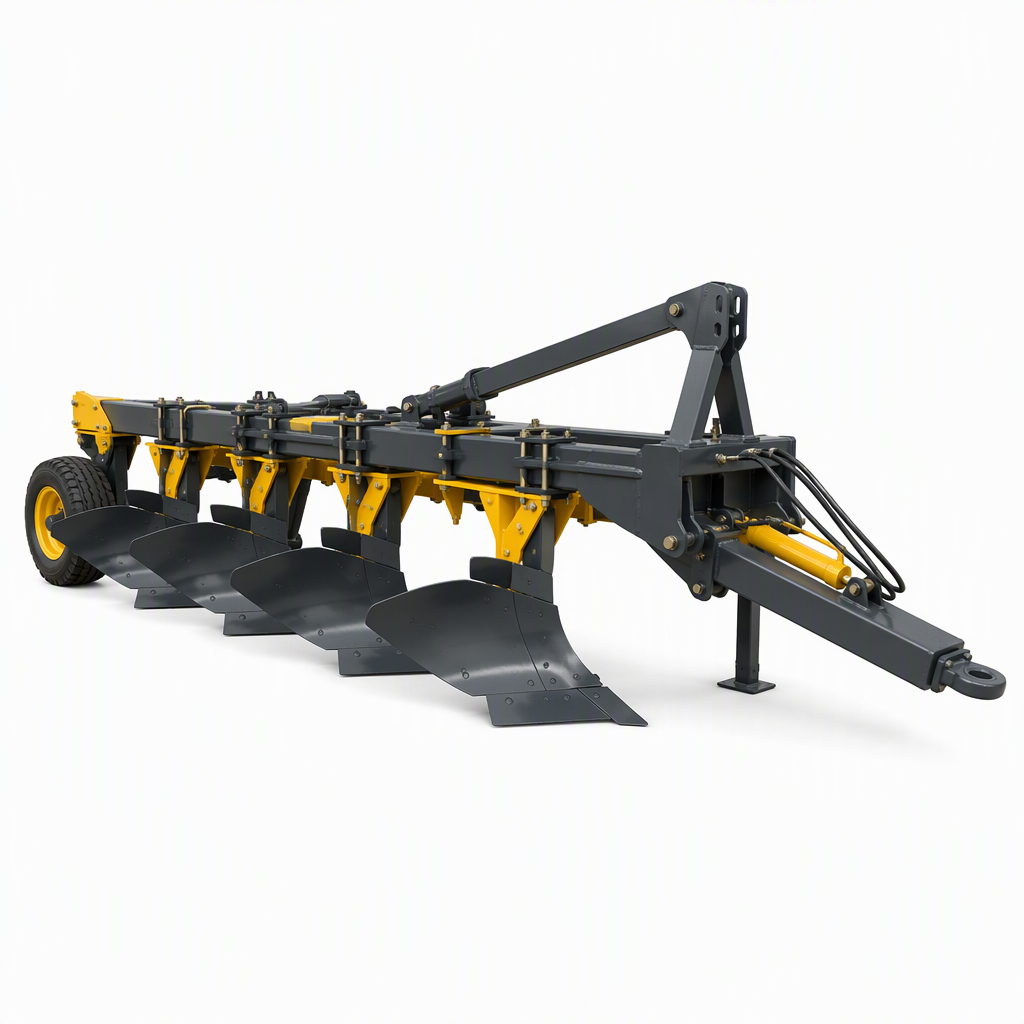
drawn plough

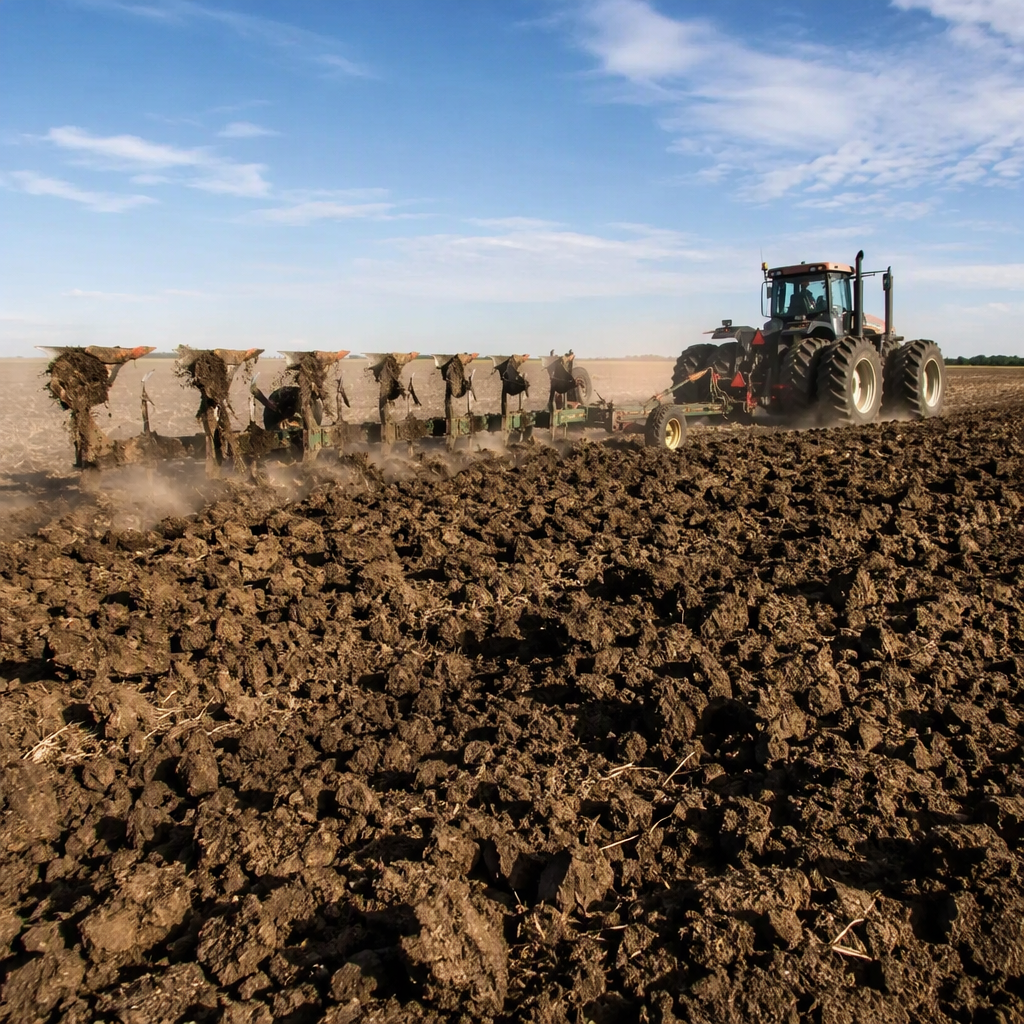
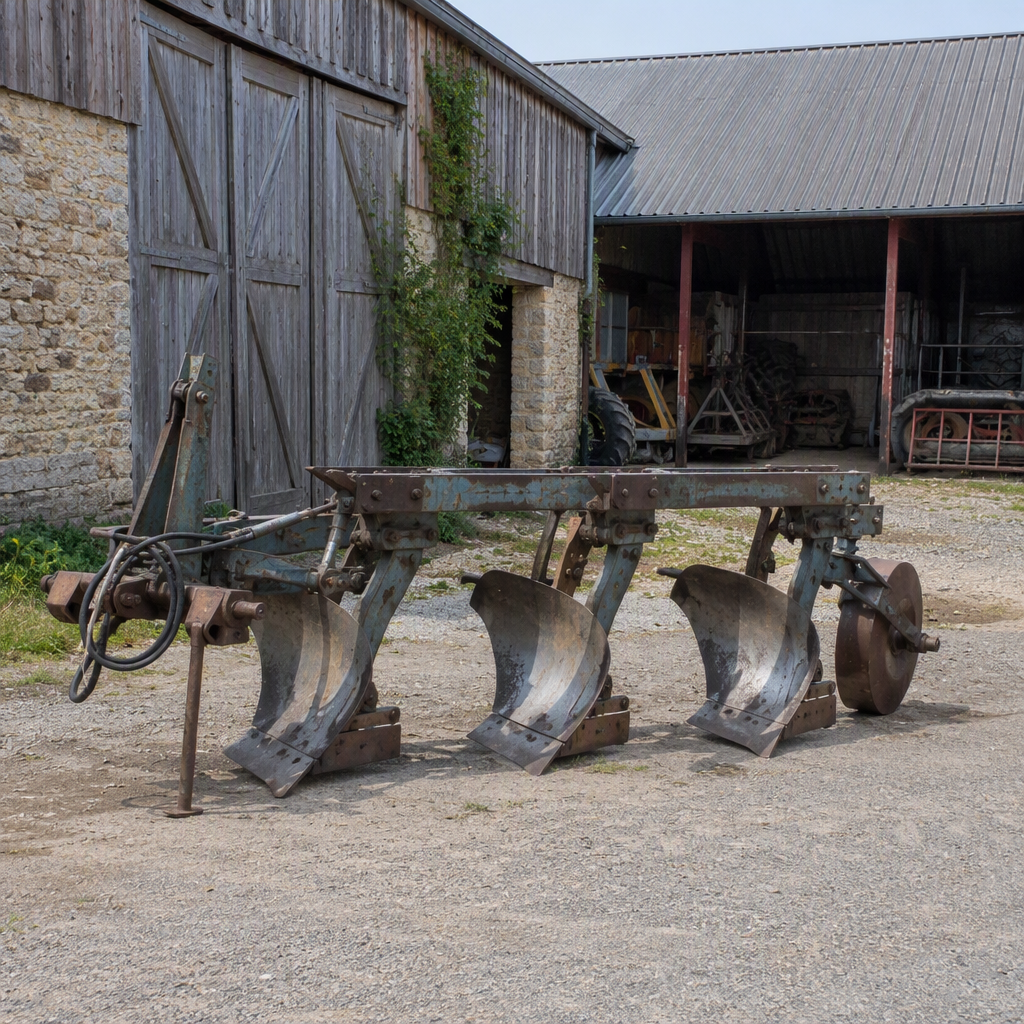
Drawn ploughs are essential agricultural implements designed for soil tillage, enabling efficient land preparation for planting. As a B2B buyer, your primary concerns may include product specifications, quality assurance, cost factors, and the suitability of drawn ploughs for modern agricultural practices. This article will guide you through key considerations when sourcing drawn ploughs, helping you make informed purchasing decisions.

How to Evaluate the Quality of Drawn Ploughs for Your Projects

How to Evaluate the Quality of Drawn Ploughs for Your Projects

Quality evaluation of drawn ploughs involves several practical steps:

Material Inspection: Ensure that the materials used are high-grade and suitable for agricultural use. Look for certifications that indicate compliance with industry standards, such as CE or ISO 9001.

Weld and Joint Quality: Inspect welds and joints for uniformity and strength. Poor-quality welding can lead to structural failures during operation.

Finish and Coating: A good surface finish can enhance resistance to rust and corrosion, which is particularly important for equipment exposed to harsh environmental conditions. This is especially true for Sprayer & Fertilizer equipment that may encounter similar challenges.

Performance Testing: If possible, request a demonstration of the plough in action. Observing its performance in real-world conditions can reveal how well it handles various terrains.

Manufacturer Reputation: Research the manufacturer’s history and customer feedback. A reputable supplier like Agripros, which serves farms across 40 countries, often indicates reliability in product quality and support.

By following these evaluation steps, you can ensure that you select a drawn plough that meets your quality expectations and operational requirements.

Cost Factors to Consider When Buying Drawn Ploughs in Bulk

Cost Factors to Consider When Buying Drawn Ploughs in Bulk

When purchasing drawn ploughs in bulk, several cost factors should be considered:

Unit Price: The initial cost per unit can vary significantly based on specifications and features. Bulk orders often allow for negotiation on pricing, so inquire about volume discounts.

Shipping and Logistics: Consider shipping costs, especially if you are importing ploughs from another country. Factor in customs duties and potential delays in transportation.

Customization Costs: If you require specific modifications or features, be aware that customization can add to the overall cost. Discuss these needs upfront with the manufacturer.

Maintenance and Operation Costs: Evaluate the long-term costs associated with maintenance, repairs, and operational efficiency. Investing in a higher-quality plough may reduce these costs over time.

Financing Options: Explore financing options that may be available through the supplier, which can help manage cash flow while acquiring the necessary equipment.

Considering these cost factors will help you make a financially sound decision when purchasing drawn ploughs in bulk.

Common Problems with Drawn Ploughs and Effective Solutions

Common Problems with Drawn Ploughs and Effective Solutions

Drawn ploughs, while robust, can encounter common issues that may affect performance. Understanding these problems and their solutions is crucial for maintaining operational efficiency:

Soil Compaction: Over time, ploughing can lead to soil compaction, which adversely affects crop growth. To combat this, rotate ploughing with other tillage methods, such as tilling or using cover crops, to maintain soil structure.

Worn Parts: Frequent use can lead to wear and tear on components like blades and joints. Regular inspections and timely replacements of worn parts can prevent reduced efficiency and costly repairs.

Poor Soil Penetration: If the plough struggles to penetrate the soil, it may be due to insufficient weight or improper adjustment. Ensure the plough is correctly calibrated for the specific soil type and conditions.

Operational Inefficiencies: Misalignment during operation can lead to uneven soil preparation. Regularly check and adjust the alignment of the plough to ensure optimal performance.

By proactively addressing these common issues, you can enhance the longevity and effectiveness of your drawn ploughs.

Applications of Drawn Ploughs in Modern Agriculture Practices

Drawn ploughs are versatile tools that play significant roles in various agricultural practices:

Soil Preparation: They are primarily used for preparing fields before planting, ensuring that soil is aerated and ready for seedbed preparation. This is crucial for maximizing crop yields.

Weed Control: Ploughing can disrupt the growth of weeds, providing a competitive advantage to crops during their early growth stages.

Incorporation of Organic Matter: Drawn ploughs can be used to mix crop residues or organic matter into the soil, improving soil fertility and structure.

Conservation Tillage: In modern agriculture, drawn ploughs are increasingly used in conservation tillage practices. This method minimizes soil disturbance, helping to preserve soil moisture and reduce erosion.

Crop Rotation: They facilitate efficient crop rotation by preparing the land for different crops each season, thus supporting sustainable agricultural practices.

Understanding these applications will help you identify how drawn ploughs can enhance your farming operations and contribute to sustainable agriculture.

Key Specifications to Consider When Sourcing Drawn Ploughs

When evaluating drawn ploughs, several specifications are crucial to ensure they meet your operational needs. Key specifications include:

Type of Plough: There are various types of drawn ploughs, such as moldboard, disc, and chisel ploughs. Each type serves different soil conditions and crop requirements. Understanding the soil type and the intended use will help you choose the right plough.

Working Width and Depth: The width and depth of cut affect productivity. A wider plough can cover more area in less time, but it may require a more powerful tractor. Depth affects soil aeration and moisture retention, which are critical for crop growth.

Material and Construction: Common materials include high-strength steel for durability and resistance to wear. The construction quality influences the plough’s longevity and performance under various soil conditions.

Weight and Balance: The weight of the plough impacts its ability to penetrate the soil. A well-balanced plough ensures easier handling and reduces wear on the tractor.

Adjustability: Features such as adjustable working depth and width can enhance versatility, allowing the plough to adapt to different soil types and farming practices. Additionally, investing in Cultivators & Tillers might provide complementary benefits in soil management.

Understanding these specifications will help you better assess the suitability of drawn ploughs for your agricultural operations.

Get a Free Quote

Our representative will contact you soon.
0/1000