Evaluating Quality of Furrower Plows for Agriculture

application/furrower-plow, application/furrower-plow, 
Inquiry
Inquiry

furrower plow

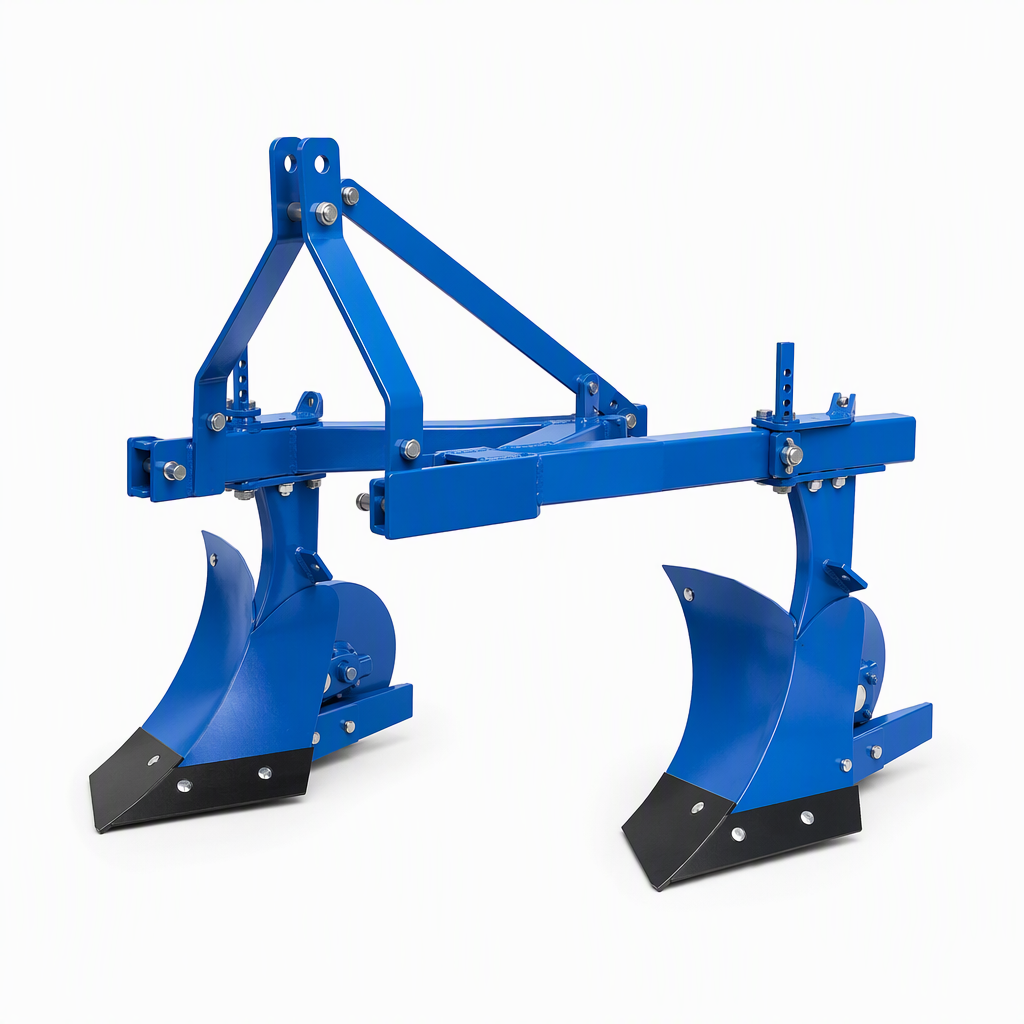
Furrower plows are essential agricultural implements designed for efficient tillage, forming furrows in the soil to prepare for planting. As a purchasing manager or agricultural engineer, understanding the quality and capabilities of furrower plows is crucial for ensuring optimal performance in your farming operations. This article will guide you through evaluating quality, addressing common installation issues, exploring applications in modern agriculture, examining technical specifications, and comparing different models to make informed purchasing decisions.

Common Installation Issues with Furrower Plows and Their Solutions

Common Installation Issues with Furrower Plows and Their Solutions

Installing a furrower plow can present challenges that, if not addressed, can lead to suboptimal performance. One common issue is misalignment during installation, which can cause uneven furrowing. To rectify this, ensure that the plow is properly aligned with the tractor's hitch before securing it. Using a level can help confirm that it is positioned correctly.

Another issue is inadequate depth adjustment. If the plow does not penetrate the soil sufficiently, it won't create effective furrows. To address this, familiarize yourself with the height adjustment mechanisms and test the plow in various soil conditions to find the optimal setting. Additionally, using tools such as the Grain Crusher 3 kW Electric Mill for Poultry Feed Milling can enhance your overall agricultural efficiency.

Finally, ensure that you have the necessary tools and equipment for installation. Lack of proper tools can lead to improper fittings and potential damage to the plow or tractor. Always consult the manufacturer's installation guidelines for recommendations on required tools and any specific installation tips.

Applications of Furrower Plows in Modern Agricultural Practices

Applications of Furrower Plows in Modern Agricultural Practices

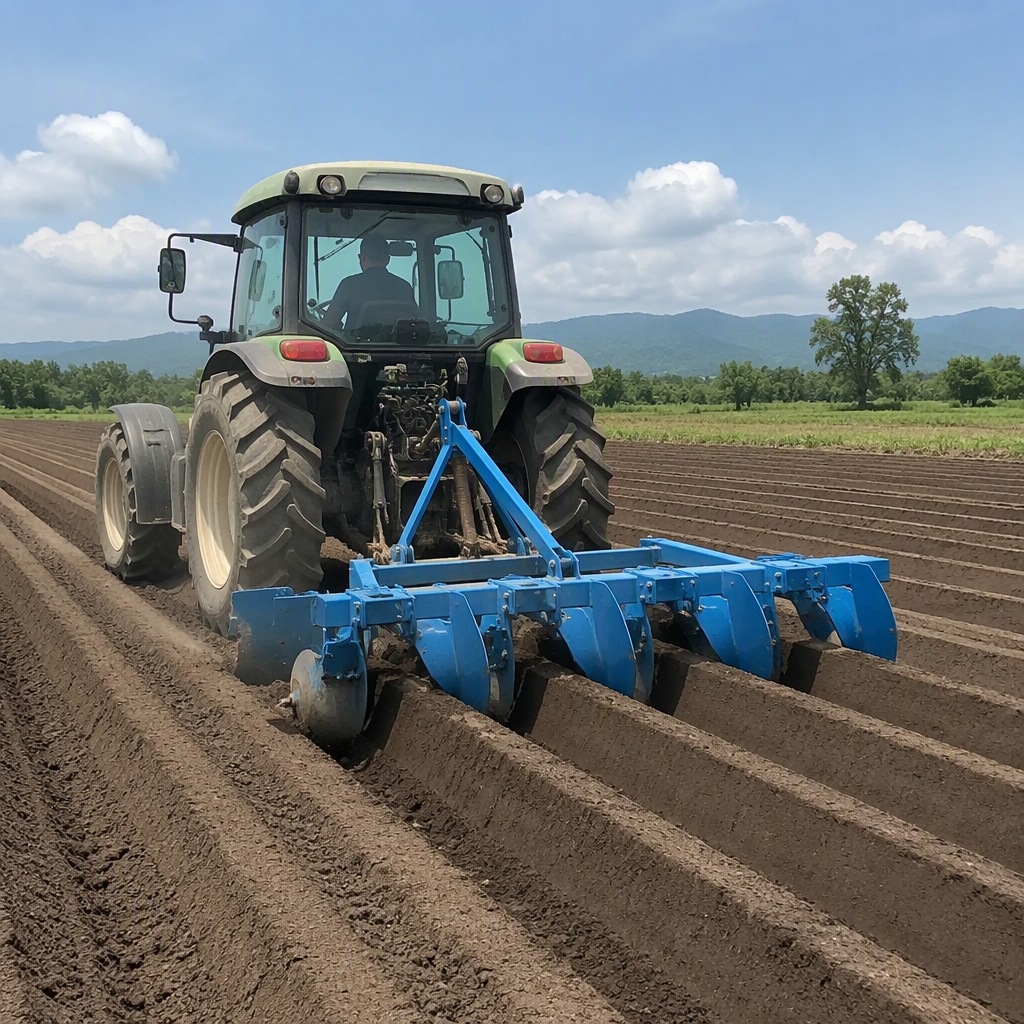
Furrower plows play a vital role in modern agricultural practices, particularly in soil management and crop production. Their primary application is in preparing seedbeds, creating furrows that enhance soil aeration and improve water drainage. This is especially beneficial in regions where soil compaction is a concern.

Moreover, furrower plows are integral in precision agriculture, where technology is used to optimize planting strategies. By accurately creating furrows, farmers can implement better seed placement, leading to improved germination rates and crop yields. They also facilitate the incorporation of fertilizers and organic matter into the soil, enhancing soil fertility and health.

Finally, furrower plows are used in erosion control practices by creating furrows that help manage water runoff. Properly managed furrows can reduce soil erosion and promote sustainable agricultural practices, aligning with modern agricultural goals.

Technical Specifications That Define the Best Furrower Plows

Technical Specifications That Define the Best Furrower Plows

Several technical specifications define the quality and suitability of furrower plows for specific applications. Key specifications include:

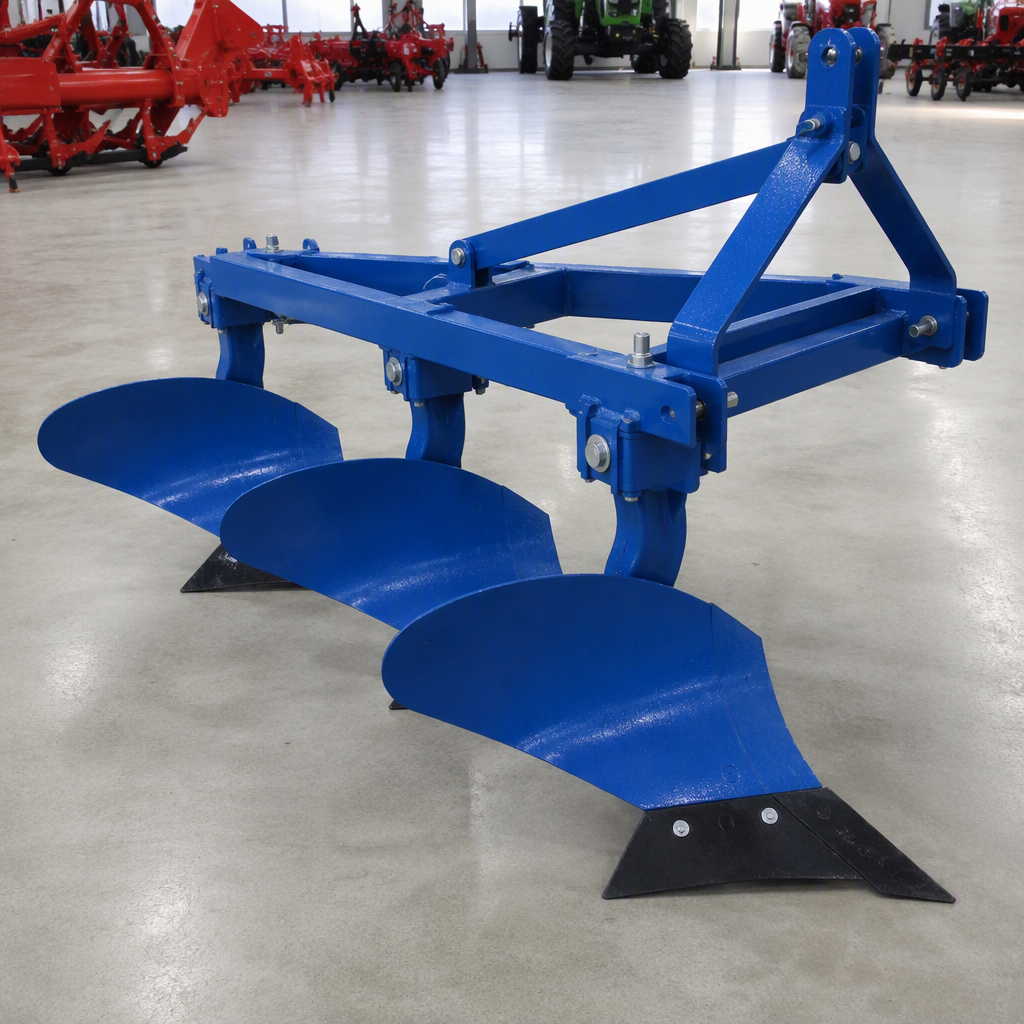
Width of Furrow: The width should match the planting requirements of crops and the tractor's horsepower. Wider furrows may require more power and can affect fuel efficiency.Depth Adjustment Range: An adjustable depth range allows for flexibility in various soil types and conditions, ensuring adequate soil turnover and preparation.Material Thickness: Thicker materials generally provide better durability, although this may also increase the weight of the plow, affecting its compatibility with different tractors.Weight Distribution: Proper weight distribution is crucial for maintaining balance during plowing. Models with adjustable weight can enhance stability and control.Number of Shares: The number of shares on a plow can determine its ability to handle different soil conditions. More shares allow for better soil turnover, but may require more power.

When evaluating these specifications, it’s essential to consider your specific farming needs and the conditions of the land you will be working on.

How to Compare Different Furrower Plow Models for Purchase Decisions

Comparing different furrower plow models involves assessing various factors that influence performance, cost, and compatibility with existing equipment. Begin by compiling a list of models from reputable manufacturers, including specifications, features, and pricing.

Next, consider the following factors in your comparison:

Performance Reviews: Look for user reviews and case studies that highlight real-world performance. This can provide insight into how the plow performs under different conditions.Warranty and Support: A strong warranty indicates the manufacturer’s confidence in their product. Additionally, assess the availability of customer support and replacement parts.Customization Options: Some manufacturers, like Agripros, offer customization options to tailor the plow to specific needs, which can be a significant advantage.Pricing Factors: Analyze the total cost of ownership, which includes initial purchase price, maintenance costs, and potential resale value. Sometimes a higher initial investment can lead to greater long-term savings.

By gathering this information, you can make a more informed purchasing decision that aligns with your operational requirements and budget considerations.

In summary, understanding the intricacies of furrower plows—from quality evaluation to technical specifications—equips B2B buyers with the knowledge needed to make informed decisions. Proper attention to detail during evaluation and comparison can lead to more successful agricultural operations and improved crop yields.

How to Evaluate the Quality of Furrower Plows for Your Needs

When evaluating the quality of furrower plows, consider several key factors that directly impact their performance and durability. First, assess the materials used in construction. High-quality steel or alloy materials enhance strength and resistance to wear, contributing to longer service life. Additionally, check for surface treatments such as galvanization or powder coating, which provide protection against rust and corrosion. For instance, models like the 8-25HP Diesel Walk Behind Tractor Water-Cooled Hand Start Farm Tractor showcase durability and efficiency.

Next, examine the design and engineering of the plow. Features like adjustable depth settings and furrow width flexibility can significantly influence the plow's effectiveness in different soil types and conditions. It's also advisable to look for models that offer ease of attachment and detachment, ensuring compatibility with your existing agricultural equipment.

Lastly, review the manufacturer's reputation and certifications. Firms like Agripros, with CE and ISO 9001 certifications, demonstrate a commitment to quality and safety standards, which can provide peace of mind regarding your investment.

Get a Free Quote

Our representative will contact you soon.
0/1000