Key Specifications for Sourcing Harvesters

application/harvester, application/harvester, 
Inquiry
Inquiry

harvester

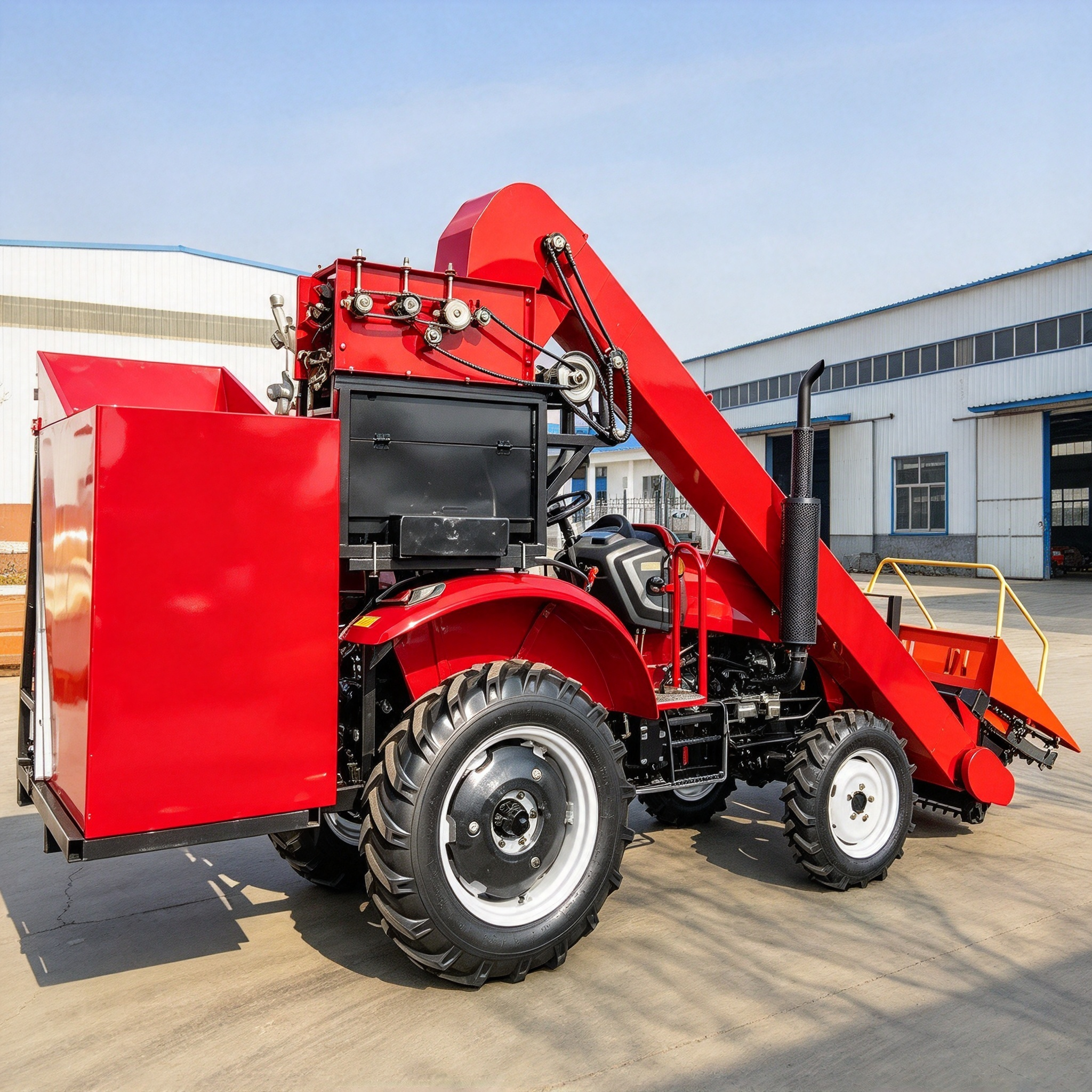
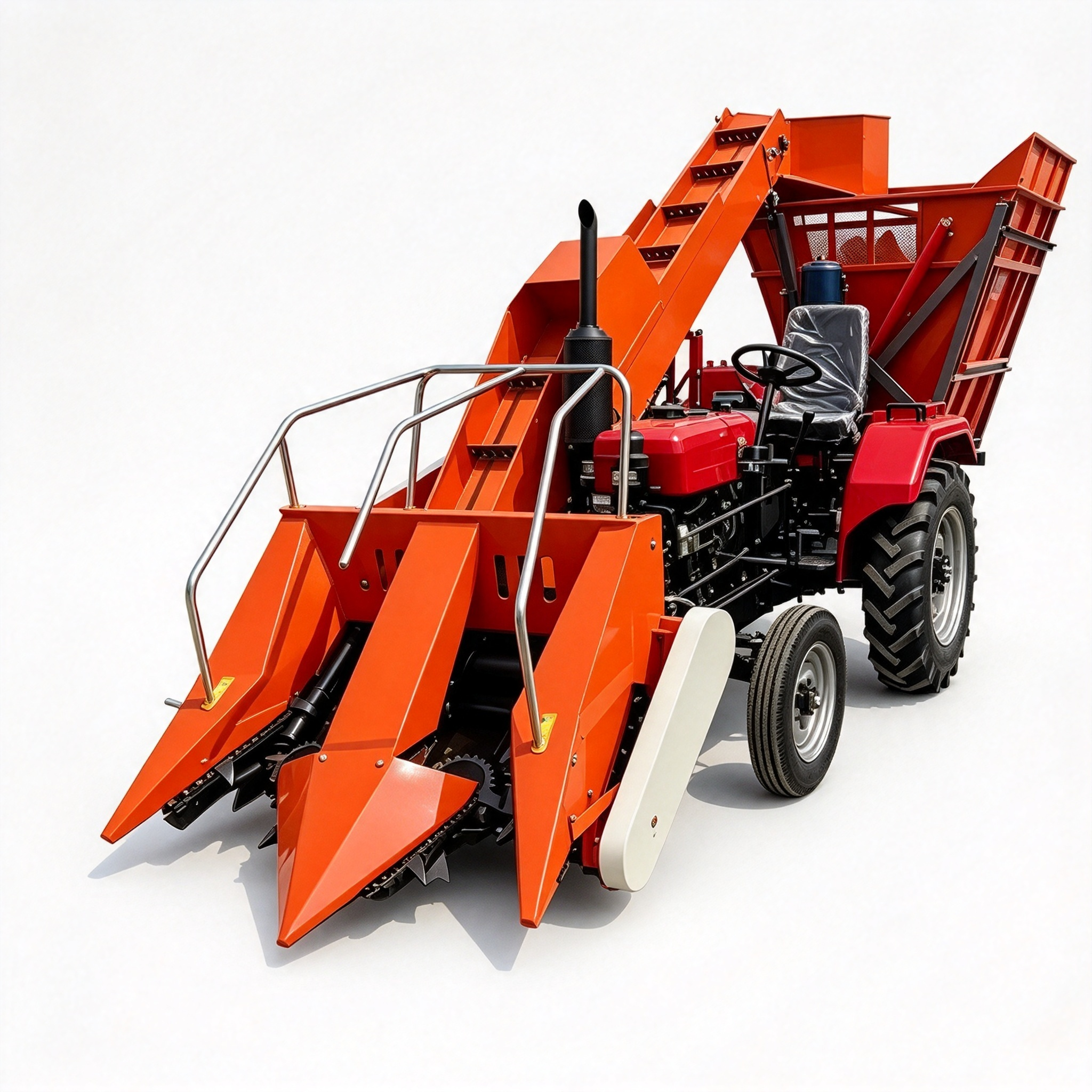
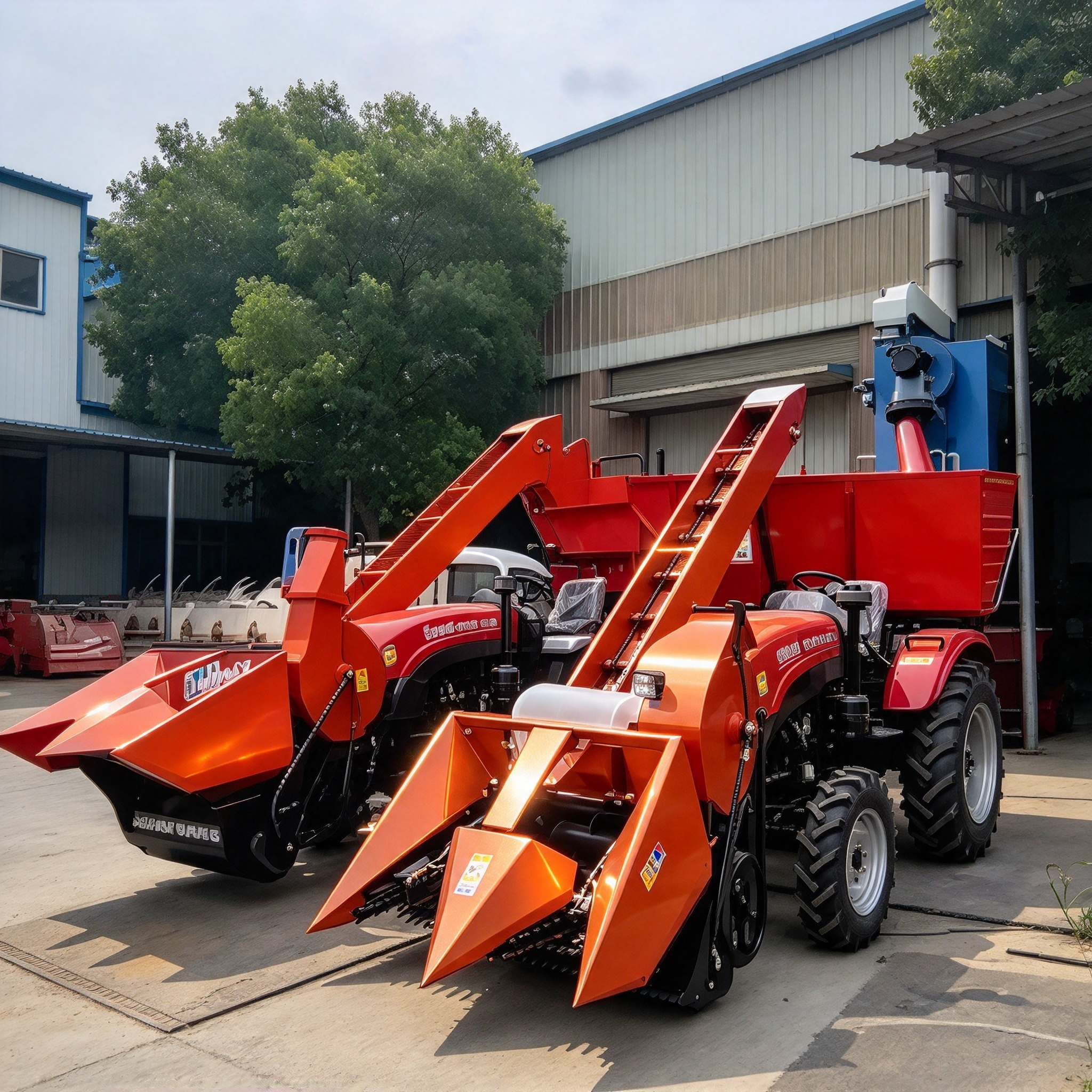
Harvesters are essential agricultural machines designed to efficiently gather crops once they reach maturity. For B2B buyers, such as purchasing managers and engineers, sourcing the right harvester involves understanding various specifications, costs, and supplier reliability. This article aims to equip you with the crucial information needed to make informed decisions when purchasing harvesters for your agricultural projects.

Where to Find Reliable Suppliers for Bulk Orders of Harvesters

Where to Find Reliable Suppliers for Bulk Orders of Harvesters

Finding reliable suppliers for bulk orders of harvesters can be challenging but is crucial for ensuring quality and consistent supply. Here are some strategies:

Industry Trade Shows: Attending agricultural machinery trade shows allows buyers to interact with multiple suppliers, assess their equipment firsthand, and establish relationships. Online B2B Platforms: Websites like Alibaba and Global Sources list manufacturers and suppliers of agricultural machinery. Check for verified suppliers with positive reviews and a solid track record. Manufacturer Directories: Resources such as ThomasNet or IndustryNet can connect you with OEMs (Original Equipment Manufacturers) specializing in agricultural machinery, including harvesters. Referrals from Industry Peers: Networking with other professionals in the agriculture sector can provide leads on reputable suppliers who have delivered quality equipment in the past.

When evaluating suppliers, consider their certifications, such as ISO or CE, which indicate adherence to quality and safety standards.

Cost Factors to Consider When Purchasing Harvesters for Projects

Cost Factors to Consider When Purchasing Harvesters for Projects

Purchasing a harvester is a significant investment, and understanding the cost factors involved is essential for budgeting accurately. Key considerations include:

Initial Purchase Price: This is the most obvious cost and can vary widely based on the harvester's specifications, brand, and features. Compare multiple quotes to ensure competitive pricing. Maintenance and Operating Costs: Regular maintenance is crucial for prolonging the harvester's lifespan. Investigate the availability of parts and service providers in your area to assess ongoing costs. Fuel Efficiency: Harvesters consume significant fuel, impacting overall operating costs. Inquire about fuel consumption rates and consider investing in more energy-efficient models. Financing Options: Many suppliers offer financing plans or leasing options. Assess different financing arrangements to determine what best fits your budget and cash flow. Resale Value: Some brands and models maintain their value better than others. Consider the potential resale value when evaluating your investment.

Understanding these cost factors will allow buyers to make more informed decisions and choose a harvester that fits both their operational needs and budget constraints. For instance, considering options like the Tractor Mounted 6 Row Seed Drill Grain Seeder for Sorghum can provide insights into cost-effective solutions.

Common Problems with Harvesters and Effective Solutions

Common Problems with Harvesters and Effective Solutions

While harvesters are designed for efficiency, they can encounter several common issues that may disrupt operations. Here are some typical problems and recommended solutions:

Clogging: Crop material can accumulate in the harvesting mechanism, leading to inefficiencies. Regular maintenance, including cleaning the cutting system and ensuring sharp blades, can minimize this issue. Engine Overheating: This can occur due to prolonged use without adequate breaks. Implementing a scheduled maintenance plan and ensuring proper coolant levels can help prevent overheating. Electrical Failures: Issues with the electrical system can lead to malfunctions. Regular inspections and ensuring connections are secure can reduce the risk of electrical problems. Tire and Track Wear: Harvesters often operate in challenging terrain, leading to faster wear on tires or tracks. Assessing tire condition regularly and maintaining proper inflation can help mitigate this problem.

By proactively addressing these common issues, buyers can ensure smoother operations and reduce downtime during critical harvesting periods.

Applications of Harvesters in Different Agricultural Scenarios

Harvesters have versatile applications across various agricultural scenarios, and understanding these can help buyers tailor their purchasing decisions to specific needs. Key applications include:

Row Crop Harvesting: Designed for crops like corn and soybeans, these harvesters feature adjustable headers that can adapt to different row widths and crop heights. Forage Harvesting: Forages require specialized harvesters, often equipped with choppers that grind the material for silage. These machines are essential for dairy and livestock farms. Fruit and Vegetable Harvesting: Some harvesters are tailored specifically for delicate fruits and vegetables, employing gentle handling mechanisms to reduce damage during collection. Specialty Crop Harvesting: Equipment can be customized for unique crops, such as nuts or berries, which require specific handling techniques to maintain quality.

Understanding the applications of different harvesters allows buyers to select equipment that best fits their agricultural operations, ensuring optimal performance and crop yield. Consider exploring options like the Mini Diesel Tractor 2WD 10HP with Rotary Tiller for Farms for specialized applications in your farming practices.

Key Specifications to Evaluate When Sourcing Harvesters Wholesale

When sourcing harvesters, buyers should consider several key specifications to ensure the equipment meets their operational needs. Important specifications include:

Harvesting Capacity: This is usually measured in acres per hour. A higher capacity is vital for larger farms to minimize operational downtime. Engine Power: The power output affects the harvester's efficiency and ability to handle various terrain types. Ensure the engine meets the demands of your specific crops and field conditions. Cutting Width: The width directly influences how quickly a field can be harvested. Buyers should analyze their row spacing and crop type to determine the optimal cutting width. Weight and Stability: Heavier machines may provide better stability but can also lead to soil compaction. It’s essential to strike a balance based on the soil type and farming practices. Durability and Build Quality: Look for machines constructed from high-grade materials that can withstand the rigors of agricultural use. This includes using corrosion-resistant finishes for components exposed to harsh weather.

Understanding these specifications helps buyers identify the best harvester for their specific agricultural practices and ensures efficient crop gathering. For example, the 8-25HP Diesel Walk Behind Tractor Water-Cooled Hand Start Farm Tractor is a great option for enhancing operational efficiency.

Frequently Asked Questions

What crops can the harvester handle?

The harvester is designed for a range of field crops such as cereals, oilseeds, and legumes; specific crop compatibility can be confirmed for your farm during consultation.
Our harvester meets CE standards and is produced under ISO 9001 quality management, ensuring safety and consistent manufacturing quality.
Yes. We provide tailored configurations and attachments based on crop type, field conditions, and lifecycle needs to optimize performance.
We offer technical support, spare parts supply, maintenance guidance, and service planning to maximize uptime and extend equipment life.
We supply equipment to customers across 40 countries, offering logistics coordination and export documentation; delivery details are arranged per order.

Get a Free Quote

Our representative will contact you soon.
0/1000