Assessing Mechanical Planter Options for Wholesale

application/mechanical-planter, application/mechanical-planter, 
Inquiry
Inquiry

mechanical planter

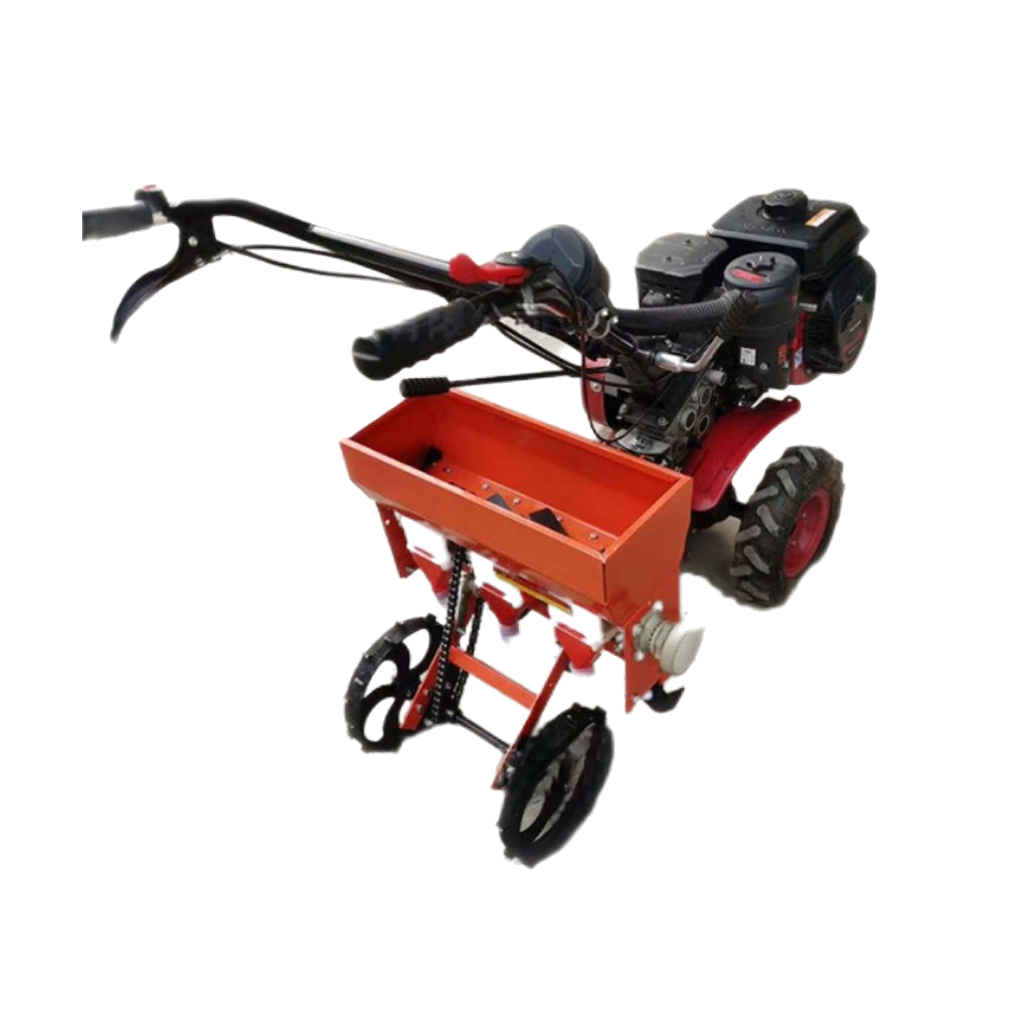
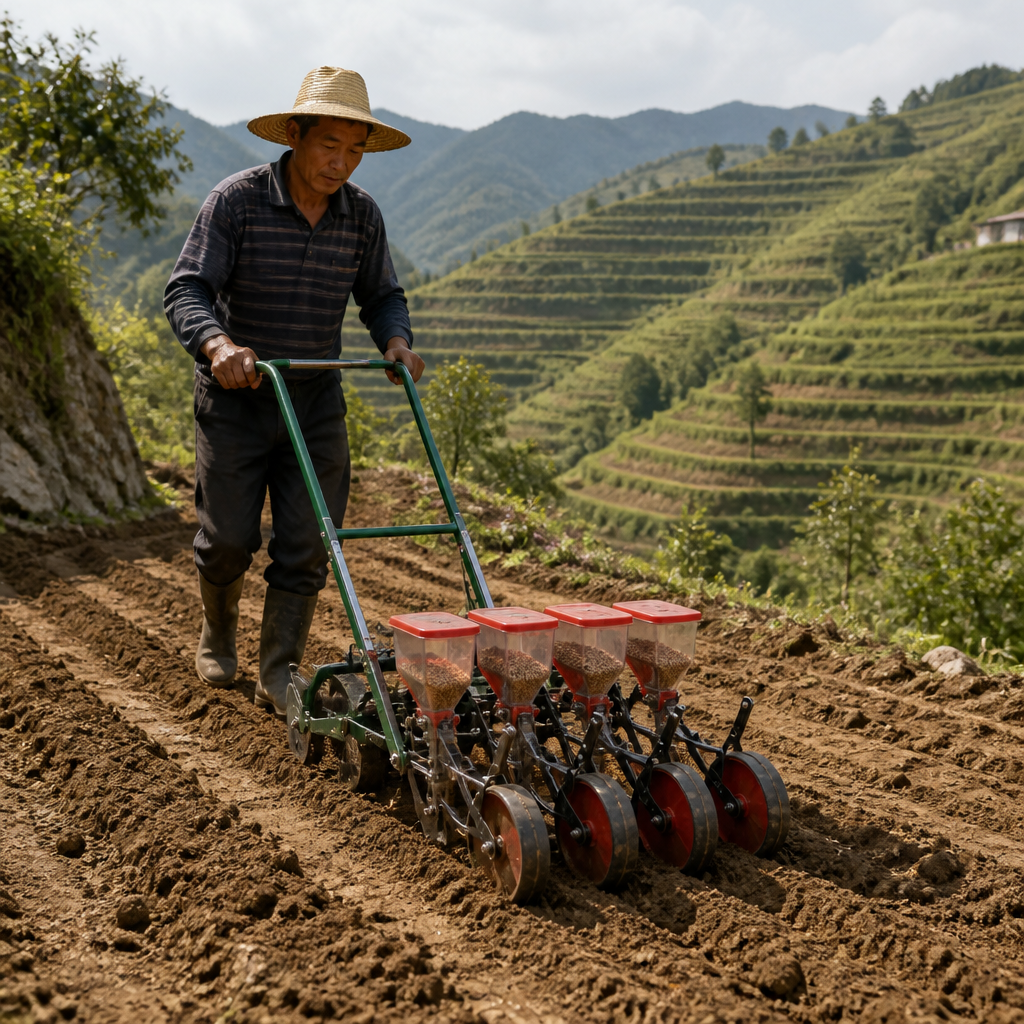
Mechanical planters are crucial agricultural tools designed to streamline the planting process, ensuring precise seed placement and optimal crop yield. For B2B buyers, key concerns include selecting the right model for their specific needs, understanding the technical specifications, and evaluating the overall value and longevity of the equipment. This article will guide purchasing managers, distributors, and engineers through the essential aspects of sourcing mechanical planters, including key specifications, effective setup, and strategies for maximizing value.

Key Specifications to Consider When Sourcing Mechanical Planters

Key Specifications to Consider When Sourcing Mechanical Planters

Understanding the specifications of mechanical planters is critical for making an informed purchasing decision. Key specifications to look for include:

Planting Depth: This determines how deep seeds are placed in the soil, affecting germination rates and overall plant health. Buyers should evaluate the planter's adjustable depth settings to suit various soil conditions.

Row Spacing: The distance between rows impacts crop density and light exposure. Buyers must ensure that the planter offers customizable row spacing to accommodate different crop types and farming practices.

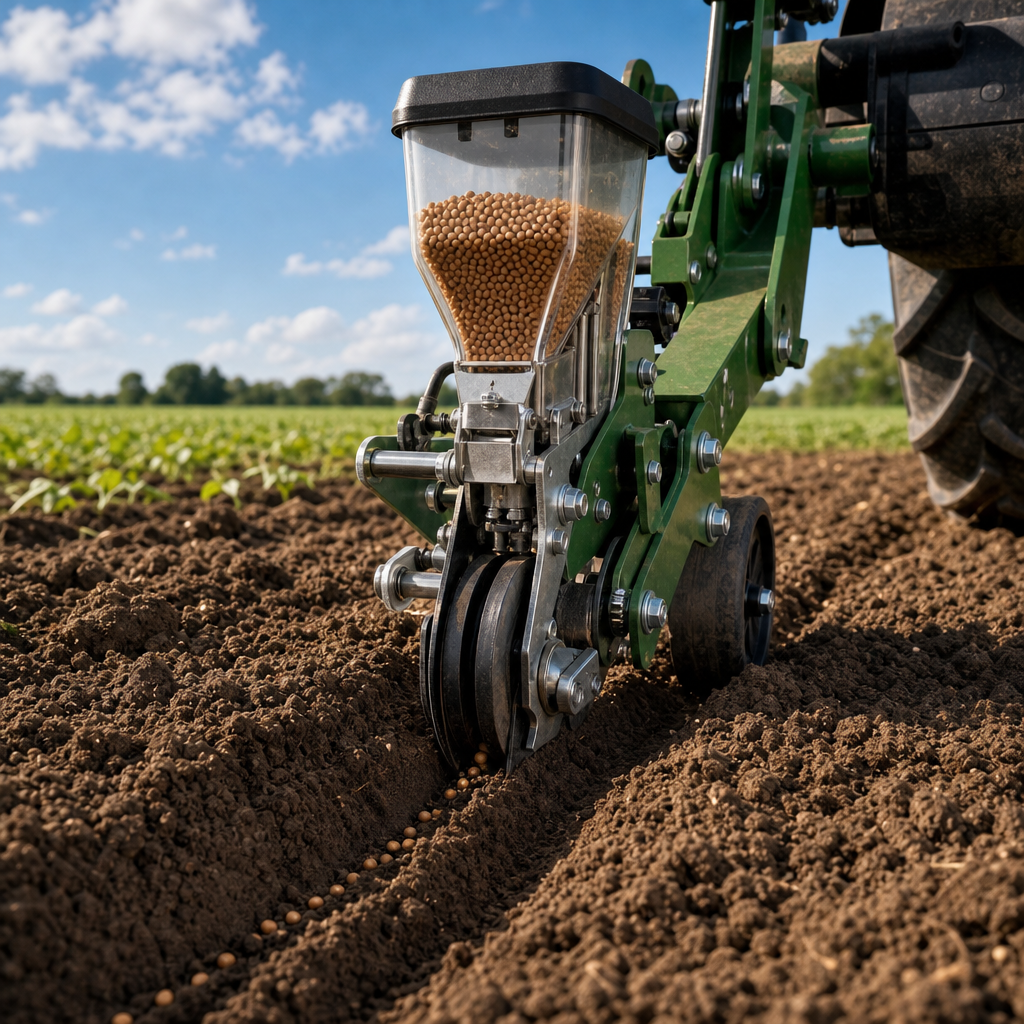
Seed Distribution Mechanism: The efficiency and accuracy of seed placement are crucial for maximizing yield. Buyers should examine the planter’s distribution mechanism, whether it's a mechanical or pneumatic system, and how it performs in different soil types.

Durability and Build Quality: Mechanical planters should be constructed from high-quality materials to withstand harsh agricultural conditions. Buyers should inquire about the materials used in the frame and components, assessing their resistance to wear and tear.

Maintenance Requirements: Understanding the maintenance needs of the planter can save time and costs in the long run. Buyers should look for planters with user-friendly designs that facilitate easy cleaning and routine maintenance.

These specifications play a vital role in ensuring the selected mechanical planter meets both immediate needs and long-term operational goals.

How to Set Up Your Mechanical Planter Effectively

How to Set Up Your Mechanical Planter Effectively

Setting up a mechanical planter for optimal performance involves several critical steps. First, buyers should thoroughly review the manufacturer's setup instructions and ensure all components are correctly assembled. This includes checking the alignment of the seed distribution system and ensuring that the planting depth is set according to the crop requirements.

Next, calibration is essential. Buyers should test the planter in a controlled environment before full-scale deployment. This allows for adjustments based on seed type and soil conditions, ensuring that the planter operates efficiently. For example, testing the planter’s performance with different seed sizes can help identify the optimal settings for accurate seed placement.

Additionally, regular maintenance checks should be scheduled as part of the setup process. This involves inspecting wear parts, lubricating moving components, and ensuring that all systems are functioning correctly. Establishing a maintenance routine from the outset can help prevent operational issues and extend the planter's lifespan. Incorporating Processing Machines into the workflow can further enhance efficiency.

Maximizing Value with Mechanical Planters

Maximizing Value with Mechanical Planters

To maximize the value derived from mechanical planters, buyers should focus on both initial cost and long-term operational efficiency. While it may be tempting to select the lowest-priced option, buyers should consider the total cost of ownership, including maintenance, operational efficiency, and potential downtimes.

Investing in a planter with advanced features such as precision planting technology or variable rate seeding can lead to significant enhancements in crop yields and resource utilization. These features may have a higher upfront cost but can result in savings through reduced seed waste and improved crop health.

Another strategy is to leverage bulk purchasing agreements when sourcing planters. Establishing long-term relationships with manufacturers can lead to better pricing and support services. Additionally, considering options for customized features tailored to specific agricultural practices can further enhance the value and effectiveness of the mechanical planter.

Understanding Material Advantages in Mechanical Planter Design

The materials used in the construction of mechanical planters significantly influence their performance and durability. High-quality steel and aluminum are commonly used for frames and structural components due to their strength and resistance to corrosion. This is particularly important in agricultural settings where exposure to moisture and chemicals is prevalent.

Additionally, the choice of materials for seed hoppers and distribution mechanisms can affect seed handling and flow. For example, using advanced polymers can reduce friction and enhance the flow of seeds, ensuring more consistent planting results.

Buyers should also consider the environmental impact of materials used in manufacturing. Opting for planters made from recyclable materials or those that comply with sustainability standards can align with modern agricultural practices aimed at reducing ecological footprints.

Understanding these material advantages allows buyers to make informed decisions that not only enhance operational efficiency but also contribute to sustainable farming practices. By focusing on these areas, B2B buyers can ensure they select mechanical planters that meet their operational needs and provide long-lasting value.

Assessing Mechanical Planter Options for Wholesale

When evaluating mechanical planters for wholesale procurement, buyers should consider several factors that align with their operational requirements. Key considerations include the planter's planting depth, row spacing, and the type of seeds it can handle. For instance, planters designed for larger seeds may not be suitable for smaller varieties without adjustments. Additionally, integrating these planters with existing Irrigation Systems is essential for optimal performance.

Buyers should also assess the mechanical planter's compatibility with their existing farm machinery. It’s essential to verify that the planter can be easily integrated into current workflows, which may involve checking hitch compatibility and hydraulic requirements. Additionally, reviewing the manufacturer's support services, including training and maintenance, can provide valuable insights into long-term operational success.

Lastly, prospective buyers should analyze the manufacturer’s reputation and experience in the agricultural machinery sector. Ensuring that the supplier adheres to relevant certifications, such as CE and ISO 9001, can further validate the reliability and quality of the machinery.

Frequently Asked Questions

What is the mechanical planter used for?

The mechanical planter is designed for precision seeding on farms and plantations, supporting efficient tillage-to-harvest workflows across various crops.
Our mechanical planter is manufactured under CE and ISO 9001 quality systems, ensuring compliance with international safety and quality standards.
It suits small to large-scale farms and plantations; configurations and attachments can be tailored to field size and crop requirements.
Agripros offers lifecycle-based solutions including installation guidance, spare parts supply, technical support, and maintenance planning.
Yes. We provide crop-specific configurations and seeding rates, and can tailor machine setup to local soil and crop needs.

Get a Free Quote

Our representative will contact you soon.
0/1000