Choosing the Right Plough Tiller for Agriculture

application/plough-tiller, application/plough-tiller, 
Inquiry
Inquiry

plough tiller

Selecting the right plough tiller is a crucial decision for agricultural operations, affecting both the efficiency of tillage and the overall productivity of crops. Buyers often face numerous considerations, such as specifications, compatibility with existing machinery, and the tiller's suitability for specific soil types. This article will guide you through the essential aspects of plough tillers, helping you make an informed purchasing decision.

What Buyers Should Know

What Buyers Should Know

Understanding key specifications and features will help buyers make well-informed decisions.

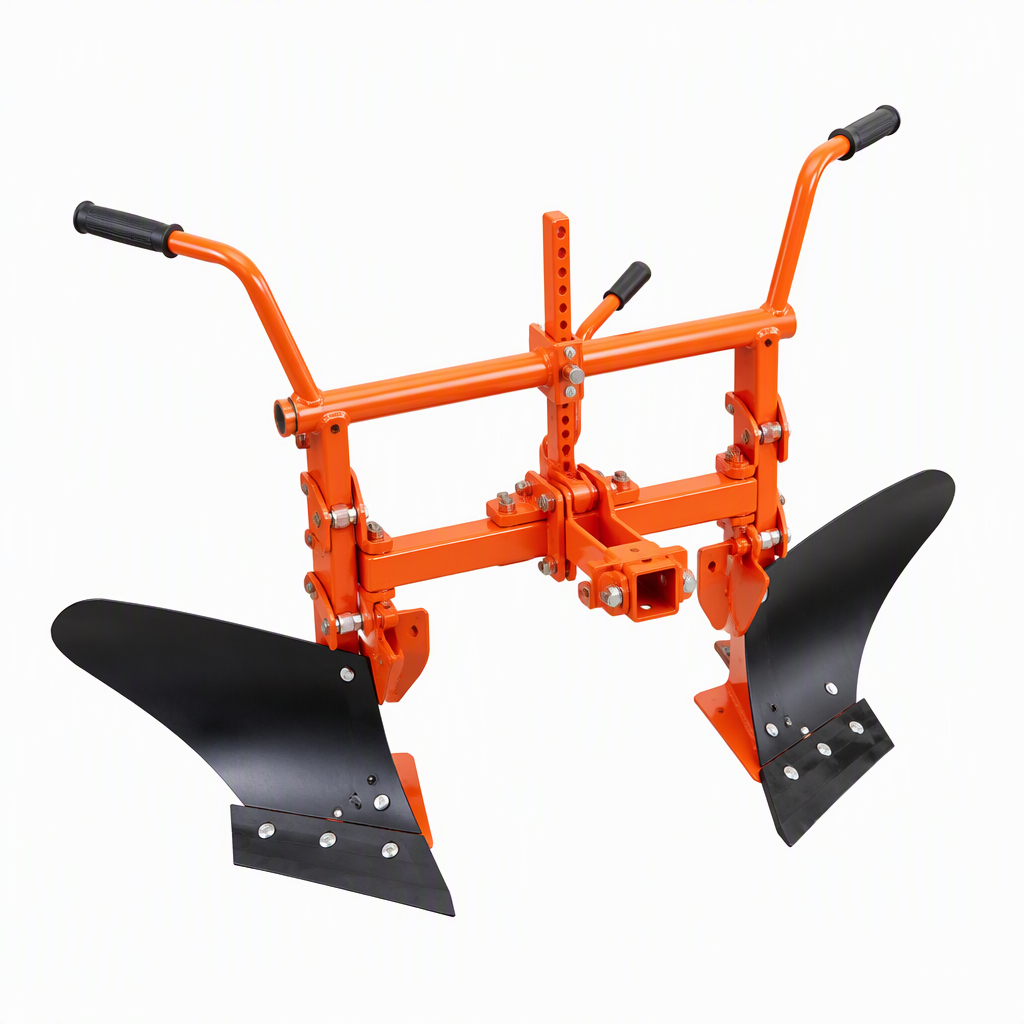
Specifications: Pay attention to dimensions, weight, and the type of blades or tines used. These factors directly influence performance and adaptability to different farming tasks. A common mistake is to overlook the importance of the tiller's build quality, which can lead to issues such as frequent repairs or inadequate soil preparation.

Customization Options: Many manufacturers offer customization options to better meet specific agricultural needs. Discussing these options can help tailor the tiller to your operational requirements, whether that involves adjusting the working depth or modifying the blade design.

Pricing Factors: The price of plough tillers can vary significantly based on features and brand reputation. Buyers should consider not only the initial cost but also the total cost of ownership, which includes maintenance, durability, and resale value.

Lead Time and Delivery: Understanding the lead time for delivery is crucial, especially during planting seasons. Confirming the estimated delivery time with your supplier can help ensure you have the equipment when you need it.

Applications of Plough Tillers in Modern Agriculture Practices

Applications of Plough Tillers in Modern Agriculture Practices

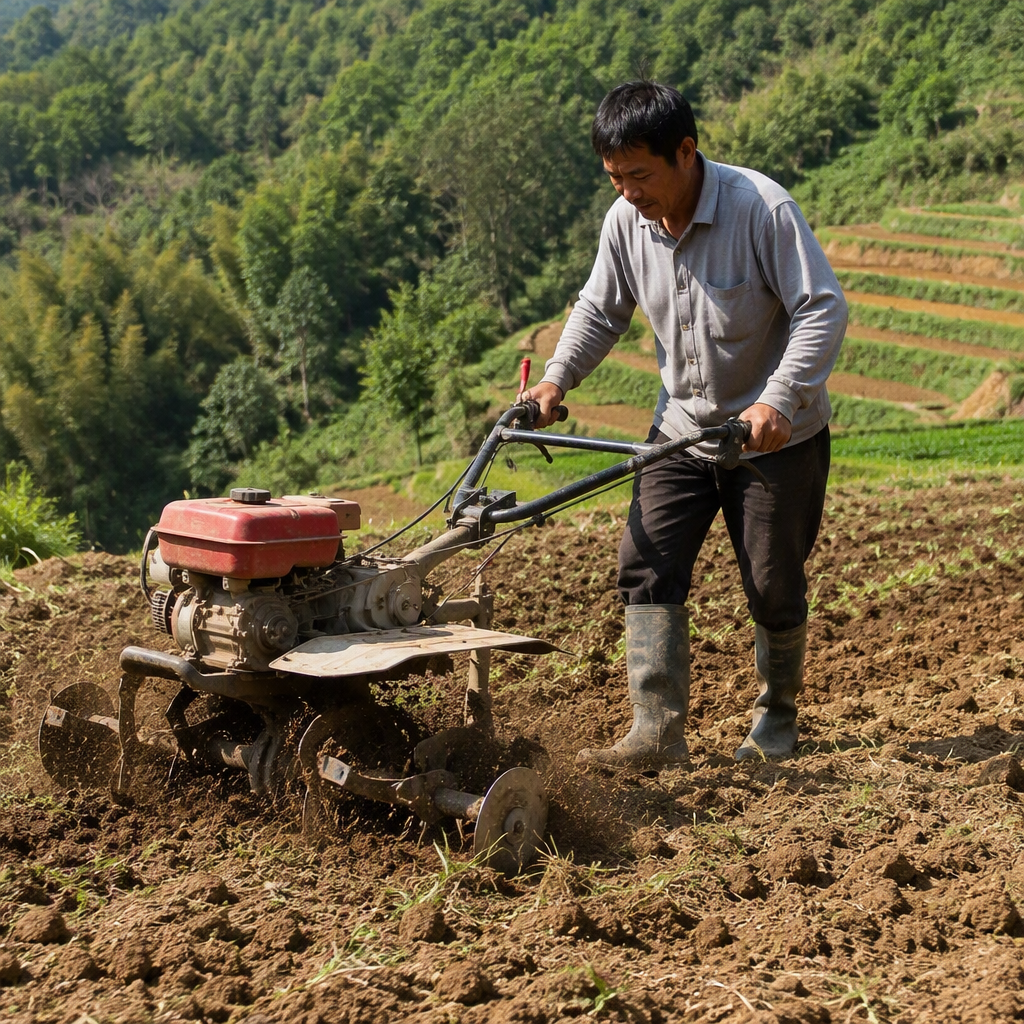
Plough tillers play a vital role in modern agricultural practices by preparing the soil for planting and enhancing crop yields. Proper tillage improves soil structure, aeration, and nutrient availability.

Soil Preparation: Tillage is essential for breaking up compacted soil, which can impede root growth and water absorption. A well-prepared seedbed contributes to better seed germination and healthier plants.

Weed Control: Plough tillers help manage weeds by disrupting their growth cycle. By turning over the soil, tillers bury weed seeds and reduce competition for crops.

Crop Rotation and Soil Health: Integrating plough tilling into crop rotation practices can improve soil health by incorporating organic matter and enhancing microbial activity. This leads to more sustainable farming practices.

Precision Agriculture: As precision agriculture becomes more prevalent, tillers equipped with advanced technology can enhance soil management practices. Features like GPS and automated depth control allow for more precise tillage operations.

Technical Expertise in Plough Tiller Manufacturing and Quality Control

Technical Expertise in Plough Tiller Manufacturing and Quality Control

At Agripros, the manufacturing of plough tillers adheres to stringent quality control processes, ensuring that each unit meets the highest standards.

Manufacturing Capabilities: Our facilities are equipped with advanced technology for producing robust and reliable tillers. This includes automated welding processes and precision machining that enhance the overall quality and performance of the equipment.

Quality Control: Each tiller undergoes rigorous testing for performance and durability before leaving the factory. This includes checks on blade sharpness, frame integrity, and operational functionality, ensuring that buyers receive a product that meets their expectations.

Certifications: Agripros holds CE and ISO 9001 certifications, which reaffirm our commitment to quality and safety in manufacturing. Buyers can trust that our plough tillers comply with international standards.

Why Agripros is Your Trusted Plough Tiller Partner

Choosing Agripros as your supplier for plough tillers means partnering with a company that understands the intricacies of agricultural machinery and the needs of modern farmers.

Global Experience: With a footprint in over 40 countries, we have a deep understanding of diverse agricultural practices and can provide tailored solutions to meet regional requirements.

Customer-Centric Approach: Our team of experts is dedicated to supporting customers throughout the purchasing journey, from initial inquiries to after-sales service. We encourage buyers to communicate their specific needs so we can offer the most suitable solutions.

Customization and Support: Agripros offers customizable options for plough tillers, allowing buyers to specify features that align with their operational needs. Our technical support team is also ready to assist with any questions or challenges that arise post-purchase.

By understanding these essential aspects of plough tillers, buyers can make well-informed decisions that align closely with their agricultural goals. Agripros is here to support you with high-quality, reliable tillage solutions designed for success in the field.

How to Choose the Right Plough Tiller for Your Agricultural Needs

When selecting a plough tiller, the first step is to assess your specific agricultural needs. Key factors to consider include soil type, field size, and the crops being cultivated.

Soil Compatibility: Different tillers are designed for various soil conditions. For instance, heavier tillers are ideal for clay soils, while lighter models work better in sandy soils. Understanding the soil structure on your farm will help in choosing the right model.

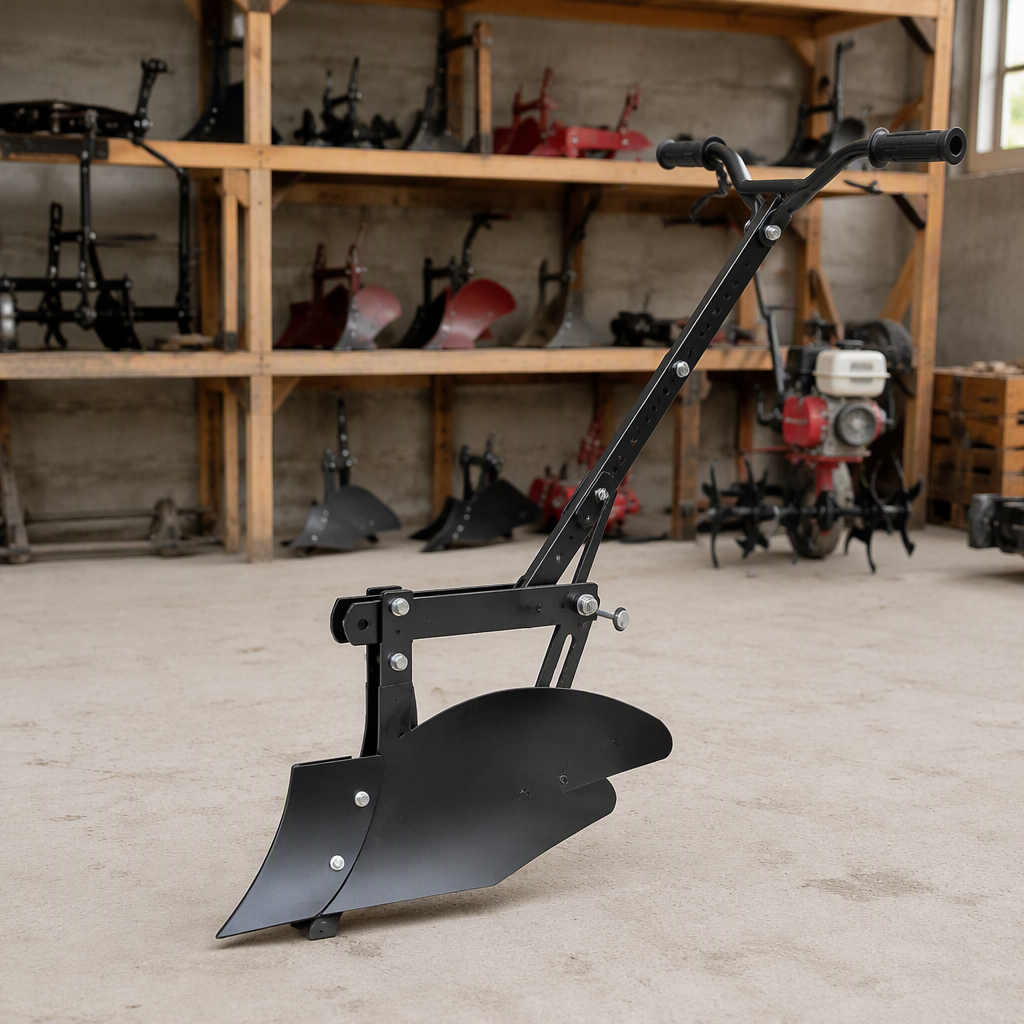
Tiller Type: Plough tillers come in various configurations, such as mounted or trailed. Mounted tillers are generally more compact and easier to maneuver, whereas trailed versions provide greater stability and can handle larger workloads. Consider how the Cultivators & Tillers might complement your tilling needs.

Working Width and Depth: Ensure the plough tiller's working width matches your tractor's capability and the area you need to cover. The depth of tillage is also important; deeper tillage may be necessary for root crops but might not be suitable for all soil types.

Power Requirements: Check the horsepower requirements of the tiller to ensure compatibility with your tractor. Undermatching can lead to inefficient operation and increased wear on the machinery.

Durability and Construction: Look for tillers made from high-quality materials that can withstand the rigors of agricultural work. Features like heat-treated steel blades and reinforced frames can significantly enhance durability. Investing in premium Processing Machines can also improve overall efficiency.

Frequently Asked Questions

What is the plough tiller used for?

The plough tiller prepares soil by turning, loosening, and mixing topsoil for seeding and planting on farms and plantations.
It suits row crops, vegetables, and general arable land; effective on light to medium soils and prepared fields.
Our plough tiller is backed by CE and ISO 9001 certifications ensuring design, manufacturing, and quality management standards.
Designed for tractor PTO; compatible tractor horsepower ranges vary by model — contact for specific model matching and recommendations.
We offer lifecycle-based support including installation guidance, spare parts supply, maintenance advice, and technical assistance across service regions.

Get a Free Quote

Our representative will contact you soon.
0/1000