Reliable Row Crop Planters for Efficient Farming

application/row-crop-planter, application/row-crop-planter, 
Inquiry
Inquiry

row crop planter

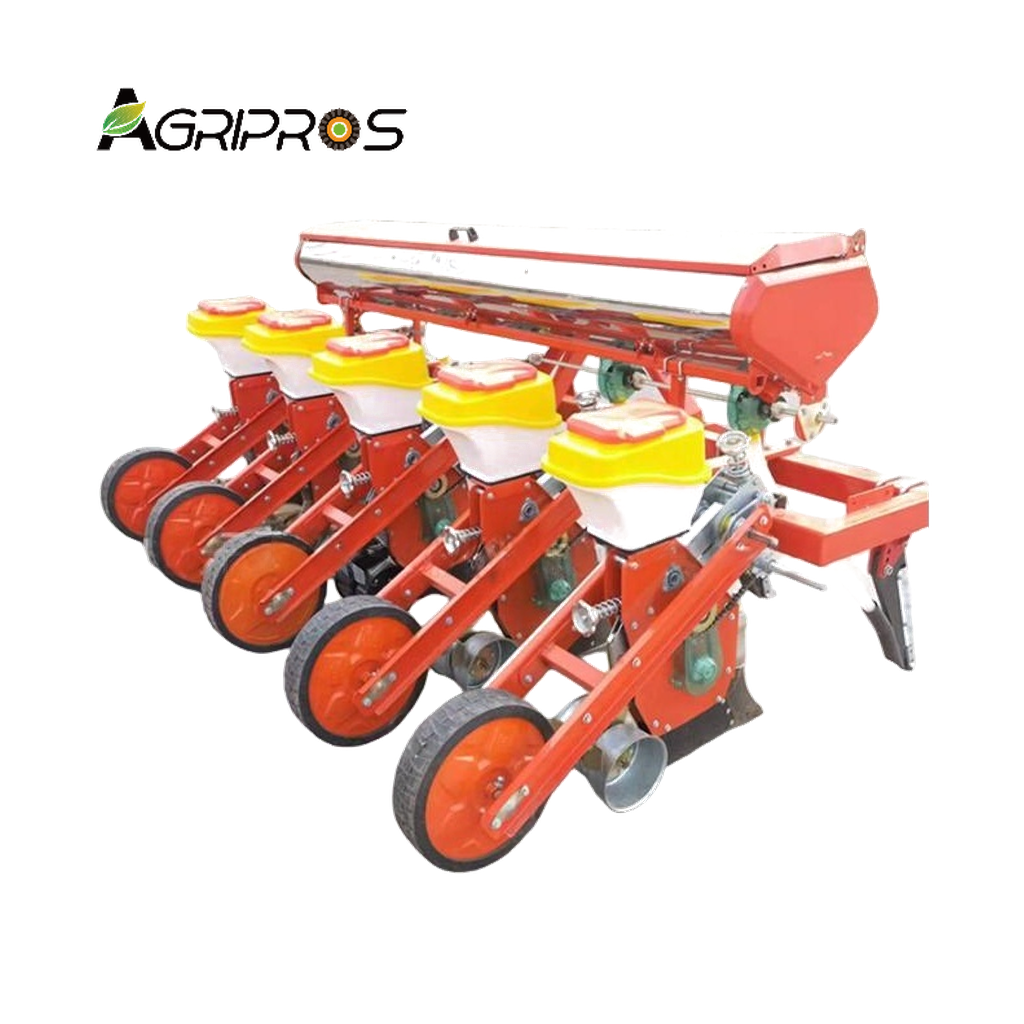
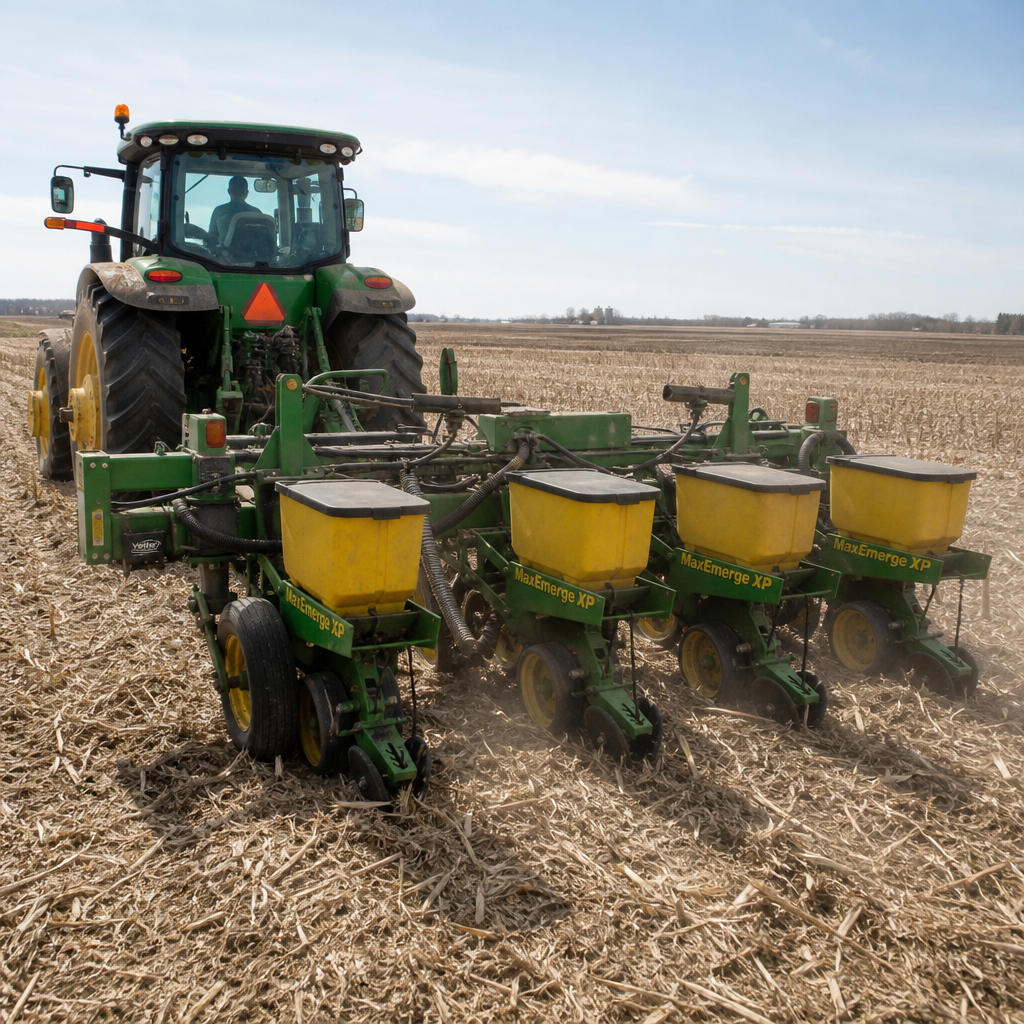
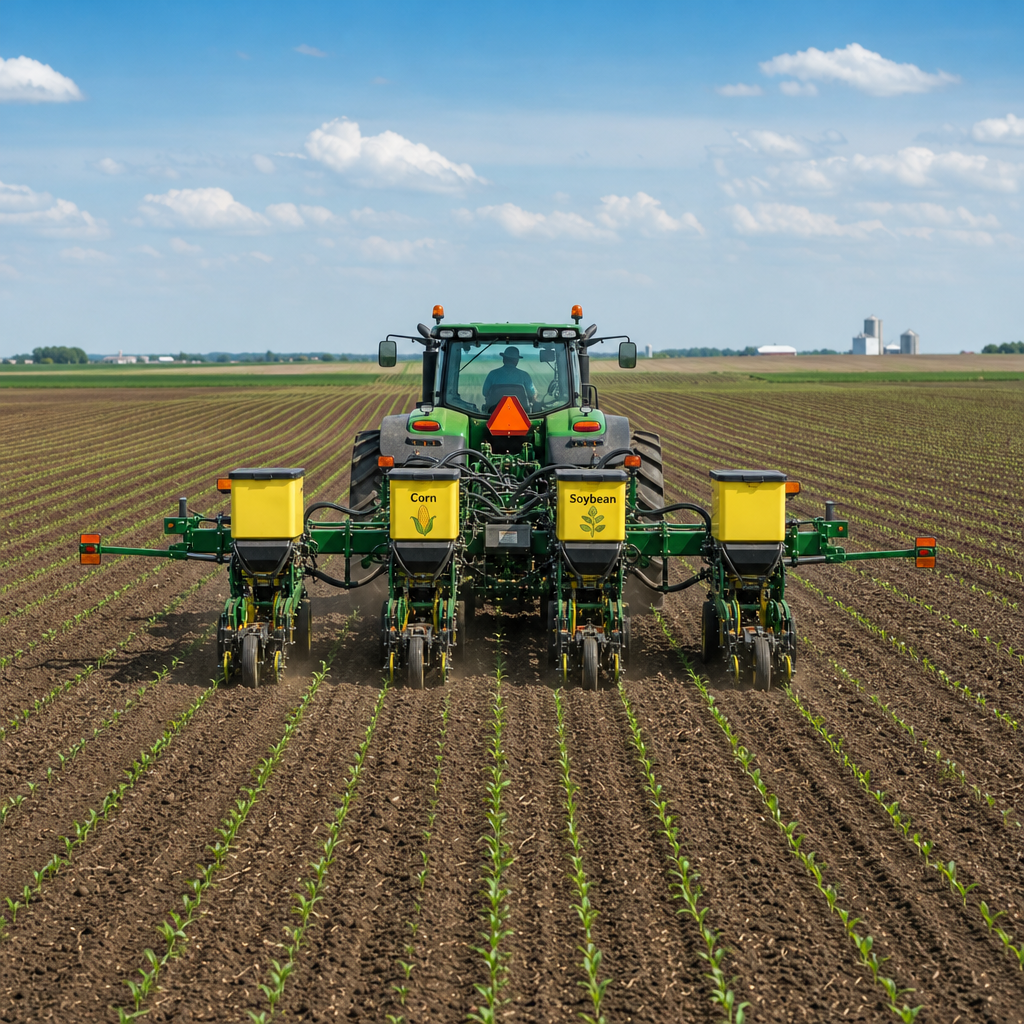
Row crop planters are essential agricultural machinery designed for the efficient seeding of crops in rows, optimizing the planting process for various agricultural operations. As a B2B buyer, understanding the specifications and features of row crop planters is critical in addressing concerns such as performance, reliability, and cost-effectiveness. This article will provide insights into reliable suppliers, purchasing guidance, common problems and solutions, the unique features and benefits of row crop planters, and the material advantages offered by Agripros.

A Buyeru2019s Guide

A Buyeru2019s Guide

When purchasing a row crop planter, consider several key factors that can influence your decision:

Specifications: Confirm specifications such as planting depth, row spacing, and capacity. These factors should align with your crop requirements and field size.

Customization: Determine if the supplier offers customization options to suit your specific planting conditions, such as varying row widths for different crops.

Material Quality: Assess the materials used in the planter's construction. High-quality materials enhance durability and resistance to wear, especially in harsh agricultural environments.

Pricing Factors: Understand the pricing structure, including the impact of additional features and customization. Request quotes from multiple suppliers to compare costs effectively.

Lead Times: Inquire about the lead time for delivery, especially if you have upcoming planting seasons. Ensure that the supplier can meet your timeframes.

Warranty and Service: Evaluate the warranty offered and the availability of after-sales service. A good warranty can provide peace of mind regarding the equipment’s longevity.

By paying close attention to these factors, you can make a more informed purchasing decision that meets your operational needs.

Common Problems with Row Crop Planters and Effective Solutions

Common Problems with Row Crop Planters and Effective Solutions

While row crop planters are designed for efficiency, they can encounter common issues that may affect performance:

Clogging: Seed and fertilizer distribution systems can become clogged, especially in damp conditions. Regular maintenance and cleaning can prevent these issues. Implementing a pre-planting check of the system can also help identify potential blockages.

Inconsistent Seed Depth: Variations in seed depth can lead to uneven crop growth. Ensuring that the planter is calibrated correctly and that the ground conditions are consistent can mitigate this problem. Regularly checking the planter’s depth settings is vital.

Wear and Tear: Components like blades and bearings can wear out over time, affecting performance. Using high-quality materials in construction and conducting routine inspections can help identify worn parts early, allowing for timely replacements.

Adjustment Failures: Planters often require adjustments for different soil types and crop varieties. Training operators in proper adjustment techniques can improve overall planting efficiency and crop yields.

Addressing these issues proactively can enhance the operational efficiency of row crop planters and lead to better planting outcomes.

Features, Benefits, and Value

Features, Benefits, and Value

Row crop planters come equipped with several features that enhance their utility:

Precision Planting: Advanced models include mechanisms for precision planting, ensuring that seeds are placed at the correct depth and spacing. This results in optimal crop density and improved yields.

Durable Construction: Quality materials used in construction enhance durability and reduce the need for frequent repairs. This not only extends the lifespan of the planter but also minimizes downtime.

Versatility: Many row crop planters are designed to handle various crop types, making them a versatile addition to any farming operation. This adaptability allows farmers to switch between crops without needing multiple planting machines. For instance, a Corn Thresher Machine can complement your planter to streamline operations.

Investing in a high-quality row crop planter can lead to increased productivity, reduced labor costs, and improved crop quality, ultimately providing significant value to agricultural operations.

Understanding the Material Advantages of Our Row Crop Planters

At Agripros, we prioritize the selection of advanced materials for our row crop planters, ensuring optimal performance and longevity. Key material advantages include:

High-Strength Steel: Our planters are constructed using high-strength steel, which offers enhanced resistance to wear and tear. This is critical in maintaining consistent performance through various planting seasons.

Corrosion Resistance: By utilizing corrosion-resistant coatings, we enhance the durability of our planters against harsh environmental conditions, prolonging their operational life.

Lightweight Design: The use of lightweight materials in certain components helps reduce the overall weight of the planter without compromising strength. This allows for easier maneuverability and reduced fuel consumption during operation.

When selecting a row crop planter, understanding the material advantages can significantly impact performance and long-term value. We encourage buyers to discuss material options and specifications with suppliers to ensure the best fit for their agricultural needs.

In summary, selecting the right row crop planter involves careful consideration of specifications, supplier reliability, and material advantages. By following the guidance provided, buyers can make informed decisions that align with their operational goals.

Where to Find Reliable Wholesale Suppliers for Row Crop Planters

Finding reliable wholesale suppliers for row crop planters involves thorough research and evaluation. Start by identifying manufacturers with a solid reputation in the agricultural machinery sector. Look for suppliers who have relevant certifications, such as CE and ISO 9001, which indicate a commitment to quality and safety standards.

Online marketplaces and agricultural trade shows can also be excellent resources for finding suppliers. Attending industry events allows you to connect directly with manufacturers, view their equipment firsthand, and discuss custom options. Additionally, industry publications often feature listings of reputable suppliers. Creating a shortlist and reaching out for quotes based on your specific needs, such as capacity, type, and customization options, can help streamline the selection process. For example, if you're looking for versatile machinery, consider options like the 8-25HP Diesel Walk Behind Tractor Water-Cooled Hand Start Farm Tractor to enhance your operations.

Frequently Asked Questions

What is the row crop planter used for?

It is used to accurately plant seeds in rows for crops like corn, soy, and vegetables, improving spacing, seed depth, and uniform emergence across fields and plantations.
Our row crop planter is built under CE and ISO 9001 quality standards, ensuring compliance with international safety and manufacturing requirements.
Suitable for small to large farms and plantations; models and configurations can be tailored to acreage, row spacing, and crop type to match lifecycle needs.
Yes. We provide lifecycle-based support including spare parts, maintenance guidance, and technical assistance to customers across 40 countries.
Yes. We offer customization for row spacing, seed metering, row units, and attachments to meet specific crop and soil conditions.

Get a Free Quote

Our representative will contact you soon.
0/1000