Key Considerations for Vacuum Seeders in Agriculture

application/vacuum-seeder, application/vacuum-seeder, 
Inquiry
Inquiry

vacuum seeder

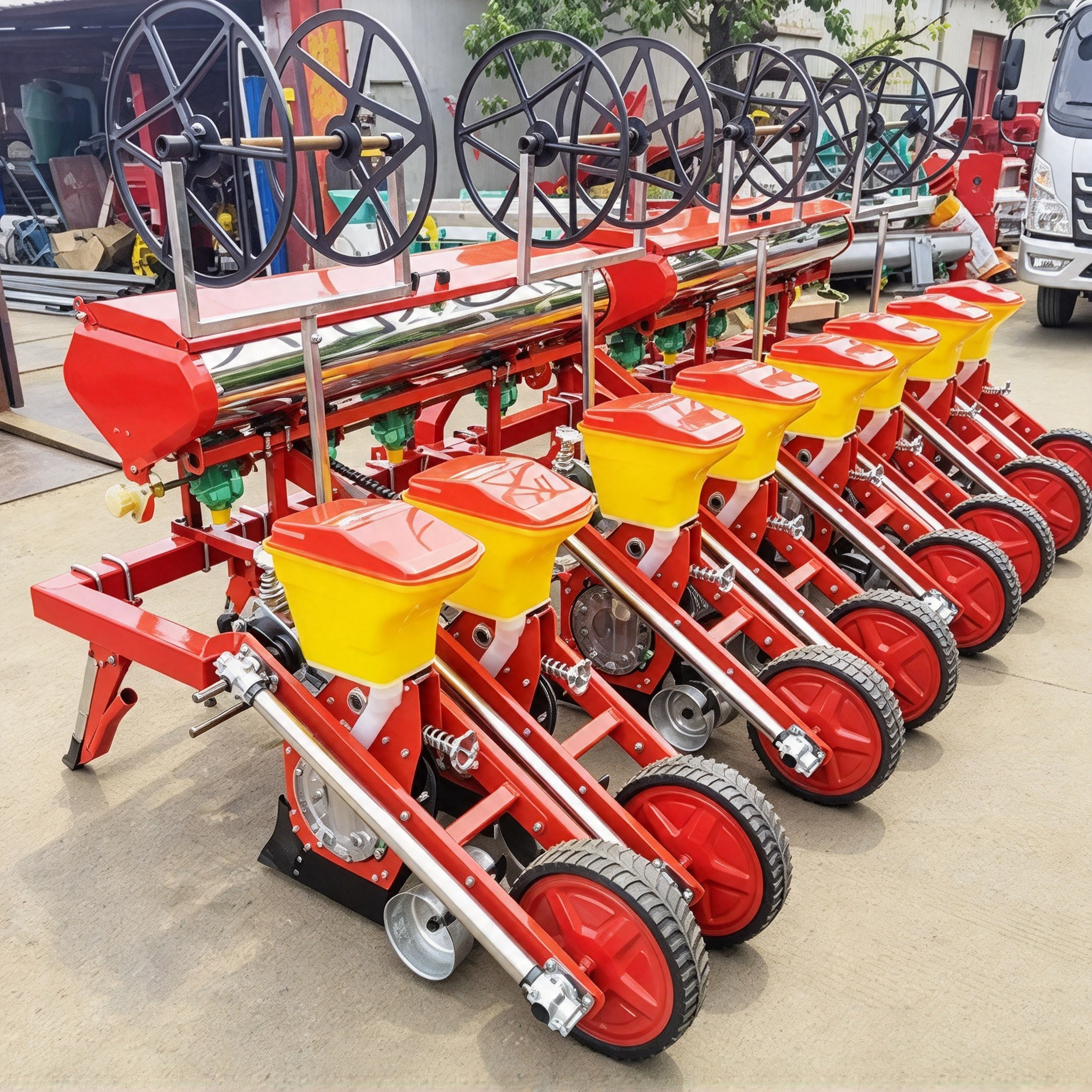
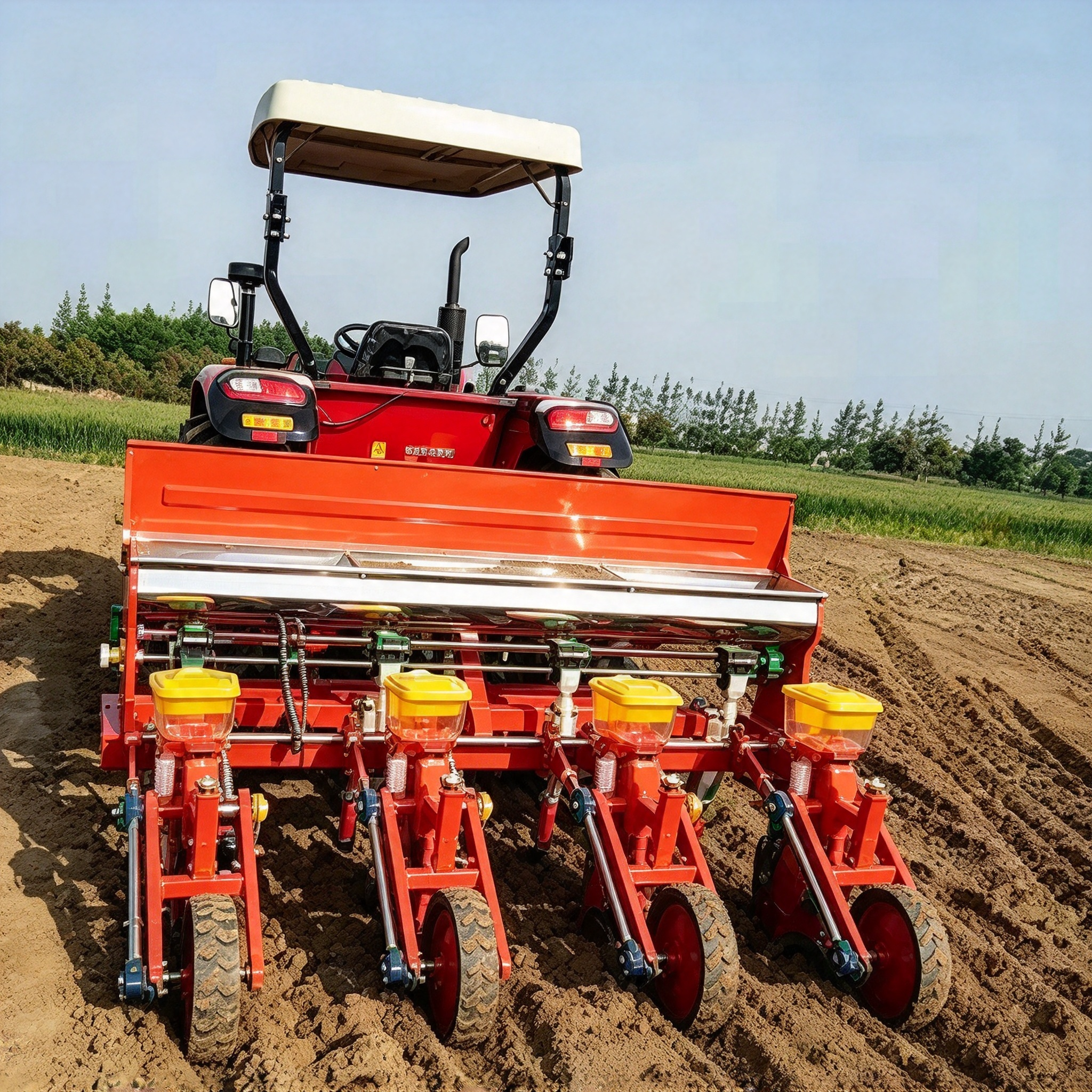
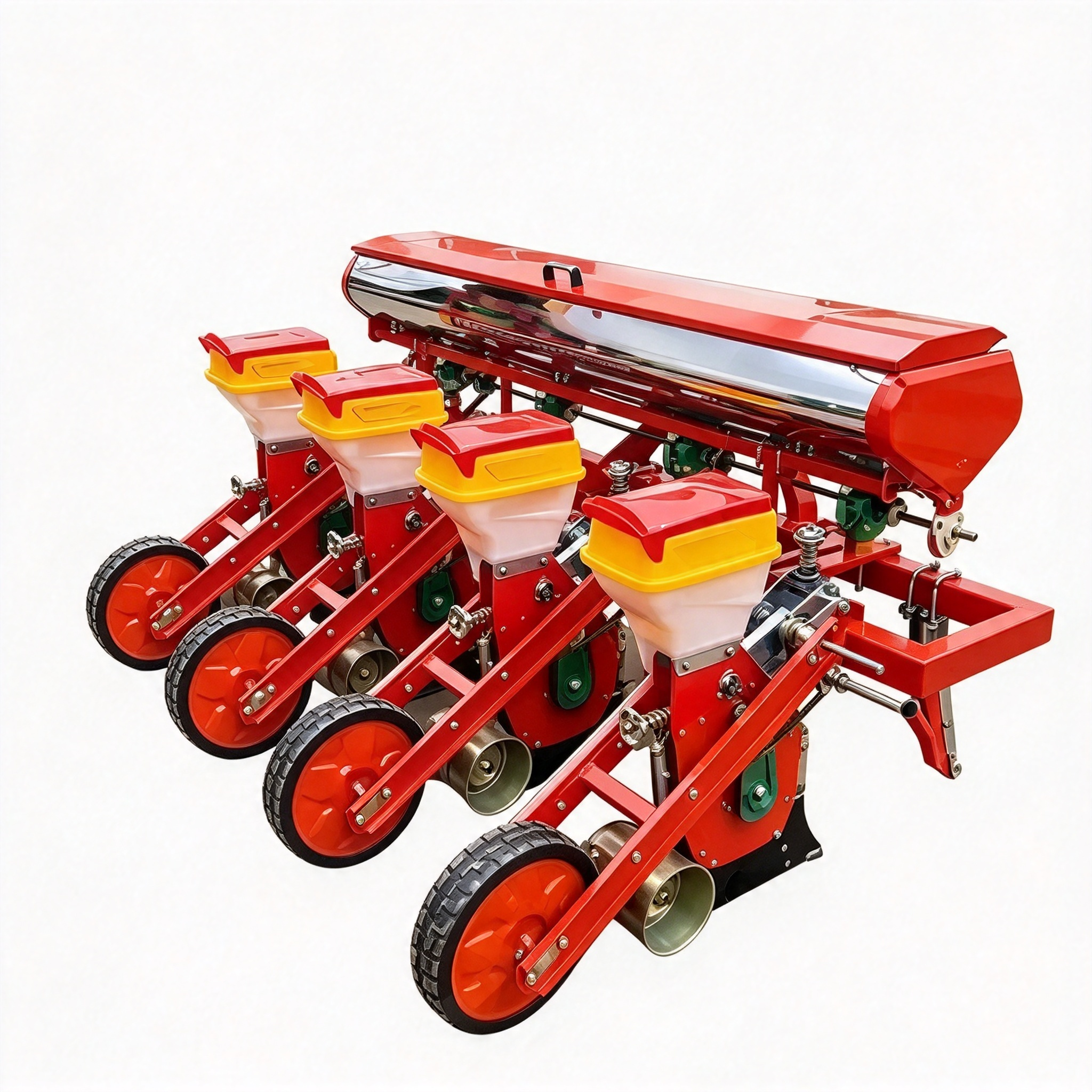
Vacuum seeders are specialized agricultural machines designed to facilitate the precise planting of seeds in various soil types. These machines utilize vacuum technology to pick up and place seeds into the soil, ensuring accurate spacing and depth. For purchasing managers and agricultural engineers, understanding the intricacies of vacuum seeders is crucial to meet operational efficiency, reduce waste, and enhance crop yields. This article will explore key specifications, quality standards, cost considerations, common issues, and methods for comparing different vacuum seeder models, providing you with the insights needed to make informed purchasing decisions.

Understanding the Quality Control Standards for Vacuum Seeders

Understanding the Quality Control Standards for Vacuum Seeders

Quality control is paramount in the manufacturing of vacuum seeders to ensure reliability and performance. Agripros follows stringent quality control standards rooted in CE and ISO 9001 certifications, which reflect adherence to international quality management principles.

Material Testing: Each batch of materials used in production undergoes rigorous testing to ensure they meet strength and durability requirements. This is important to avoid issues like wear and tear that could affect performance.

Performance Testing: Before a vacuum seeder is released to the market, it is subjected to performance testing under various conditions. This includes evaluating seed pick-up and drop accuracy, operational speed, and response to different soil types.

Final Inspection: Each unit undergoes a final inspection that checks for manufacturing defects and verifies that all specifications meet the standards set during the design phase. This process minimizes the risk of operational failures in the field.

Cost Considerations for Bulk Orders of Vacuum Seeders

Cost Considerations for Bulk Orders of Vacuum Seeders

When placing bulk orders for vacuum seeders, several cost considerations are vital for procurement officers:

Unit Price vs. Total Cost of Ownership: While the unit price is a significant factor, consider the total cost of ownership, which includes maintenance, operational efficiency, and longevity. A higher upfront cost may be justified by lower long-term operational costs.

Volume Discounts: Many manufacturers offer discounts for bulk purchases. Understanding the minimum order quantities (MOQ) required for a discount can help in budgeting and financial planning.

Shipping and Handling Costs: Factor in the logistics of transporting vacuum seeders to your location. Shipping costs can vary based on the weight and dimensions of the equipment, as well as the destination.

Customization Costs: If you require specific features or customizations, these may incur additional costs. Ensure you have a clear understanding of any extra expenses that may arise from tailored specifications, especially if you consider our Cultivators & Tillers for enhanced field preparation.

Common Problems with Vacuum Seeders and Practical Solutions

Common Problems with Vacuum Seeders and Practical Solutions

Despite their advantages, vacuum seeders can encounter common issues that may affect performance. Understanding these challenges can help in mitigating potential problems:

Seed Jamming: This can occur if the vacuum pressure is not properly adjusted or if the seeds are too small for the seeder's specifications. Regularly check the vacuum settings and consider using seed-specific attachments to minimize jamming.

Uneven Seed Distribution: Inconsistent seed distribution can lead to poor crop yields. This may be caused by incorrect adjustments in row spacing or depth. Regular calibration and adherence to manufacturer guidelines can help maintain consistent performance.

Wear and Tear on Components: High operational demands can lead to wear on critical components such as vacuum cups and motors. Implementing a routine maintenance schedule can prolong the life of your seeder and ensure reliable operations.

Calibration Issues: Incorrect calibration can lead to improper seed placement. Regularly test the machine during initial runs and adjust settings as necessary to ensure optimal performance.

How to Compare Different Vacuum Seeder Models for Your Projects

When comparing different vacuum seeder models, consider the following criteria to make an informed decision:

Specifications Comparison: Create a comparison chart that includes specifications such as seed compatibility, operational capacity, and features like adjustable row spacing. This visual representation can simplify the evaluation process.

Reputation and Reviews: Research manufacturer reputations and read customer reviews to gauge user satisfaction and performance reliability. Engaging with current users can provide insights that specifications alone might not reveal.

Service and Support: Evaluate the level of customer service and technical support offered by the manufacturer. A responsive support system can be invaluable in resolving operational issues quickly.

Warranty and After-Sales Service: Consider the warranty duration and terms. A comprehensive warranty can safeguard your investment against manufacturing defects and potential failures.

Customization Options: Assess whether the manufacturer offers customization options that align with your specific agricultural needs. Custom features can enhance the functionality of the seeder for your unique applications, making it beneficial to review our Seeders & Transplanters for additional planting solutions.

By considering these aspects, you can more effectively compare various vacuum seeder models and select the one that best fits your operational requirements. Understanding these factors will not only streamline the purchasing process but also enhance the efficiency and yield of your agricultural operations.

Key Specifications to Evaluate When Selecting a Vacuum Seeder

When selecting a vacuum seeder, several key specifications should be carefully evaluated to ensure it meets your agricultural needs:

Seed Size and Type Compatibility: Different vacuum seeders are designed to handle various seed sizes and types. It’s essential to confirm that the seeder can accommodate the specific seeds you intend to plant, whether they are small, medium, or large seeds. For instance, certain models may be optimized for crops like corn, soybeans, or leafy greens.

Vacuum Pressure Range: The vacuum pressure affects how well seeds are picked up and placed in the soil. A higher vacuum pressure can improve seed handling, particularly for smaller seeds. Ensure the vacuum seeder model offers adjustable pressure settings to accommodate different seed types.

Row Spacing and Planting Depth Adjustability: Flexibility in row spacing and planting depth is vital for achieving optimal planting conditions. Look for seeders that offer easy adjustments to these parameters to suit various crops and soil types.

Construction Materials: The durability of a vacuum seeder is impacted by the materials used in its construction. High-strength plastics and corrosion-resistant metals are preferred for longevity and performance in various weather conditions. For more information on construction quality, consider exploring our Processing Machines category.

Operational Capacity: Assess the seeder’s operational capacity, which includes the area it can cover per hour. This is crucial for efficiency, particularly in large-scale agricultural operations.

Frequently Asked Questions

What is a vacuum seeder used for?

A vacuum seeder precisely meters and plants seeds using suction for uniform spacing, improving germination and reducing seed waste across row crops and vegetable beds.
Suitable for many small to medium-sized seeds: vegetables, cereals, legumes, and grasses. Customization options help match different seed sizes and shapes.
Designed and manufactured under CE and ISO 9001 standards, ensuring reliable performance, safety, and consistent build quality.
Yes. Agripros offers tailored lifecycle solutions including installation guidance, training, spare parts, and technical support for customers across regions.
Regularly clean seed plates, vacuum lines, and hoppers; inspect wear parts, lubricate moving components, and follow scheduled checks in the manual to ensure optimal accuracy.

Get a Free Quote

Our representative will contact you soon.
0/1000