Choosing the Right Vegetable Seeder for Agriculture

application/vegetable-seeder, application/vegetable-seeder, 
Inquiry
Inquiry

vegetable seeder

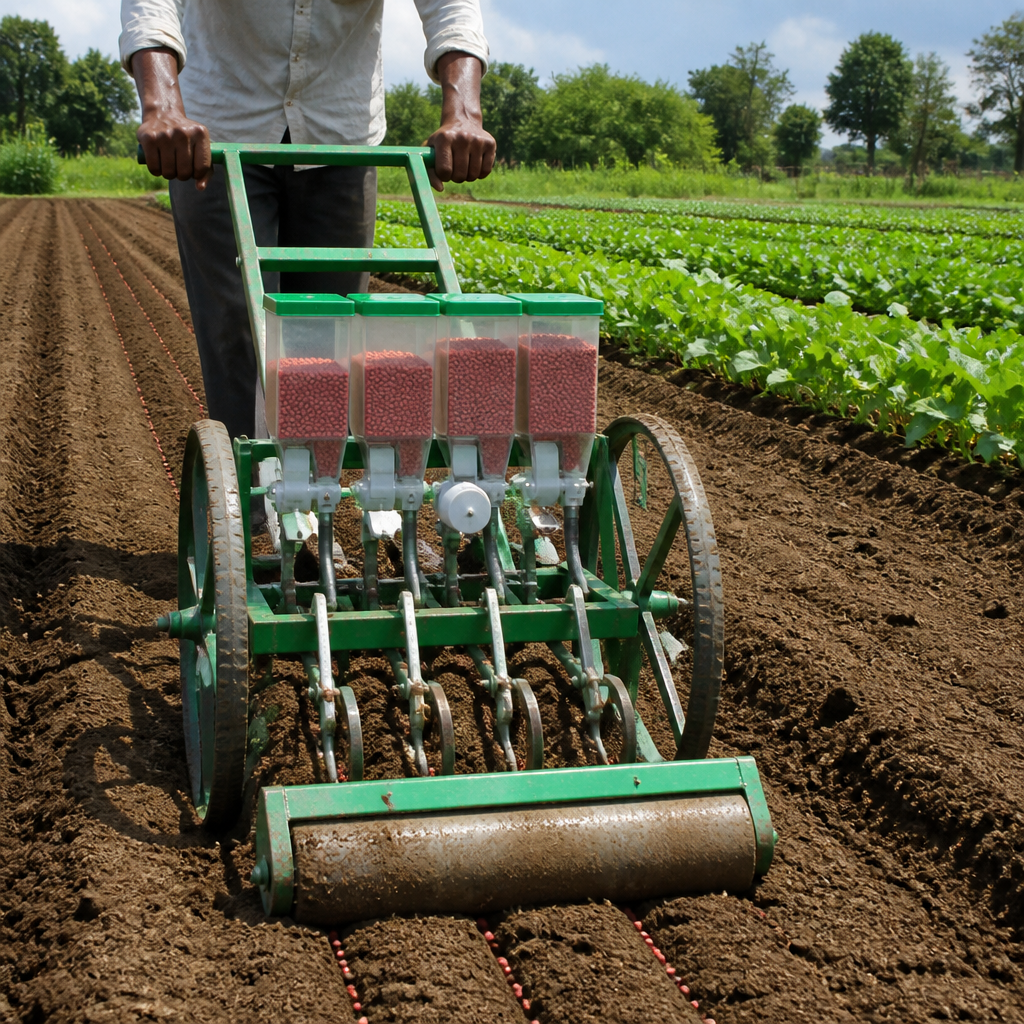
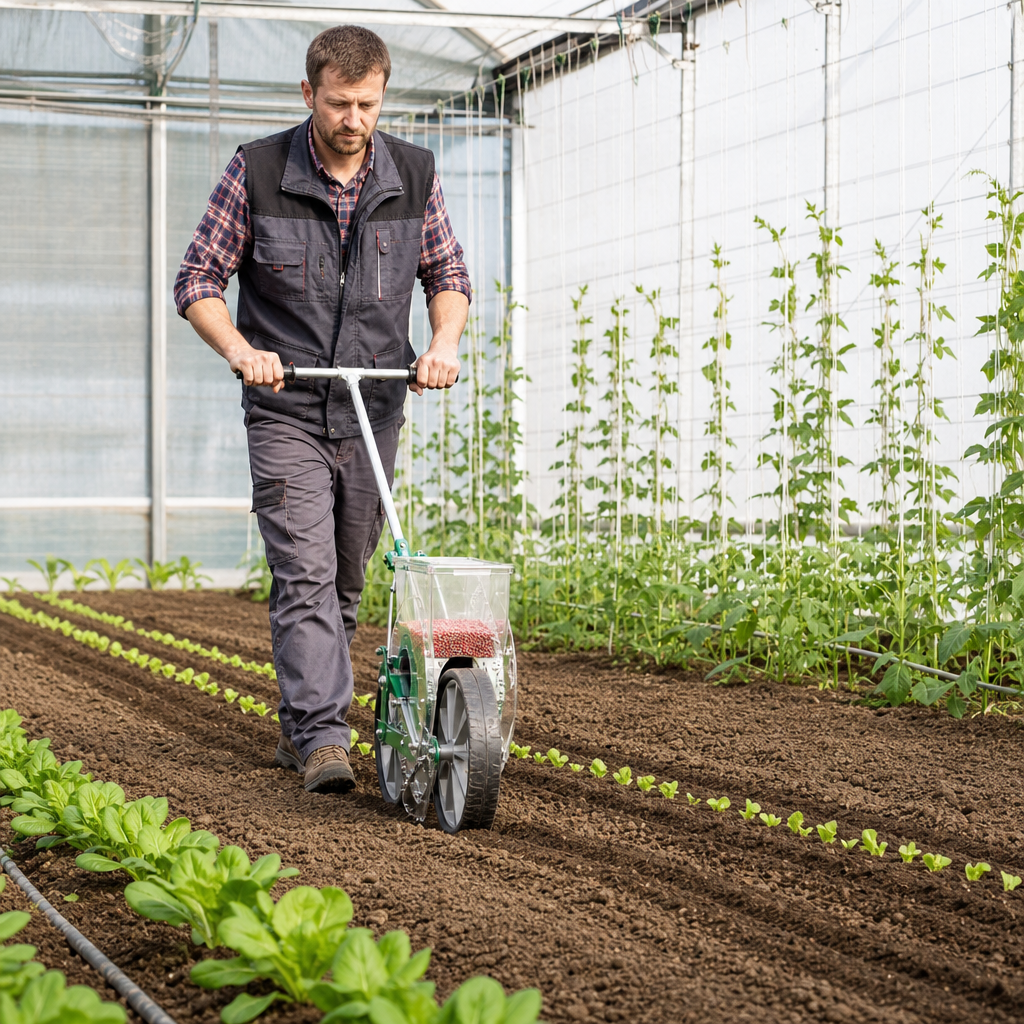
Selecting the right vegetable seeder is critical for agricultural operations, as it directly impacts planting efficiency, crop yield, and overall farm productivity. Vegetable seeders come in various types, each suited for specific planting conditions and crop varieties. Understanding the key factors involved in choosing a vegetable seeder can help purchasing managers and agricultural professionals make informed decisions that align with their operational needs and budget considerations. This article will guide you through the essential elements to consider when selecting a vegetable seeder, evaluating manufacturers, understanding cost factors, troubleshooting common issues, and providing insights for distributors and contractors.

Evaluating Vegetable Seeder Manufacturers

Evaluating Vegetable Seeder Manufacturers

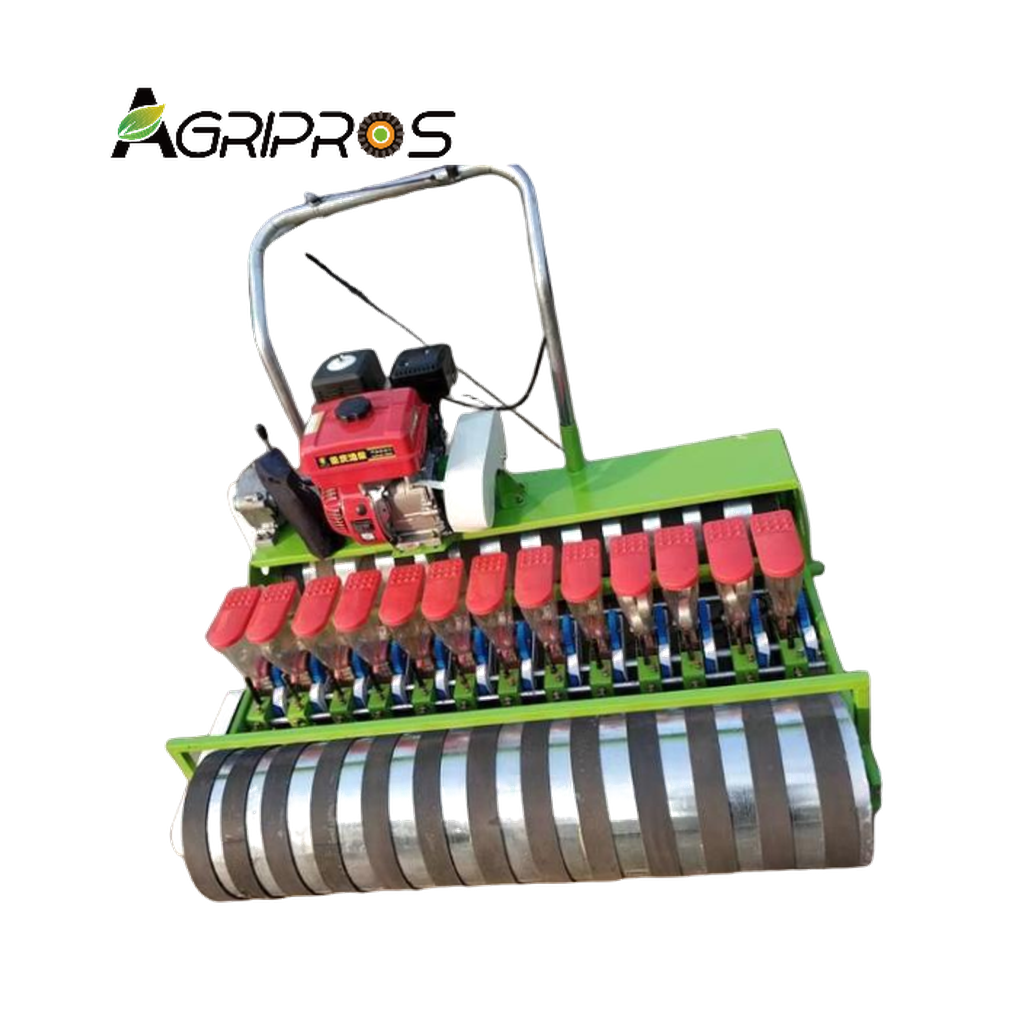
Choosing a reputable manufacturer is crucial in ensuring the quality and reliability of your vegetable seeder. Start by examining the manufacturer’s certifications, such as ISO 9001, which indicates a commitment to quality management. Agripros, for example, adheres to strict quality control processes and has CE certification, ensuring compliance with safety and environmental standards.

Next, consider the manufacturer's experience and expertise in agricultural machinery. A company with a long history in the industry is likely to have a better understanding of the challenges faced by farmers and can offer tailored solutions. Investigate their production capabilities, including the technology used in manufacturing and any customization options available to suit specific agricultural needs.

Check customer reviews and testimonials to assess the reliability and performance of their products. It’s also beneficial to inquire about after-sales support, including warranty terms and availability of spare parts. Strong manufacturer support can be vital for maintaining the operation of your seeder over its lifecycle.

Understanding the Cost Factors of Wholesale Vegetable Seeders

Understanding the Cost Factors of Wholesale Vegetable Seeders

The cost of vegetable seeders can vary significantly based on several factors. First, consider the type of seeder and its features. Advanced models with precision planting capabilities and automation features tend to be more expensive than basic models.

Another cost factor is the materials used in construction. High-quality, durable materials may lead to a higher initial investment but can result in lower long-term maintenance costs. Understanding the total cost of ownership is essential; a cheaper seeder may lead to higher operational costs due to repairs and replacements over time. For example, investing in a robust 8-25HP Diesel Walk Behind Tractor Water-Cooled Hand Start Farm Tractor can save costs in the long run.

Additionally, assess shipping and handling costs, especially if importing seeders from international manufacturers. Bulk purchasing may also provide cost savings, so inquire about minimum order quantities (MOQs) and bulk pricing options. Finally, consider financing options available through manufacturers or third-party lenders, which can help manage cash flow while acquiring essential equipment.

Common Problems with Vegetable Seeders and Their Solutions

Common Problems with Vegetable Seeders and Their Solutions

Despite their effectiveness, vegetable seeders can encounter a range of problems that impact their performance. One common issue is seed clogging, which can occur if the seed size is not compatible with the seeder's mechanism. To mitigate this, ensure the seeder is designed for the specific seed type you will be using. Regular maintenance and cleaning can also prevent clogging.

Another frequent problem is inconsistent seed depth and spacing, which can lead to uneven crop growth. This issue can often be resolved by regularly calibrating the seeder according to the manufacturer’s specifications and adjusting the planting depth based on soil conditions.

Lastly, wear and tear on components can affect the seeder's efficiency. Regular inspections and timely replacements of worn parts can help maintain optimal functionality. It’s advisable to keep a close relationship with your manufacturer for support and advice on troubleshooting these common issues.

A Guide for Distributors and Contractors

For distributors and contractors, understanding vegetable seeders is essential for advising clients effectively. First, familiarize yourself with the various types of seeders available and their intended applications. This knowledge will enable you to recommend the best solutions based on the specific needs of your clients.

When discussing products with potential buyers, ensure they understand the importance of selecting seeders that align with their crop types and planting methods. Provide detailed information about the features and benefits of different models, including ease of use, maintenance requirements, and any unique selling points.

Additionally, be prepared to discuss pricing structures, including MOQs and bulk discounts. Offer guidance on financing options that may be available to help clients manage their budgets effectively. Lastly, emphasize the importance of solid after-sales support and maintenance services, as these can significantly enhance customer satisfaction and loyalty.

By equipping yourself with thorough knowledge of vegetable seeders and their applications, you will be well-positioned to serve your clients in the agricultural sector successfully.

Choosing the Right Vegetable Seeder for Your Agricultural Needs

When selecting a vegetable seeder, several critical factors must be considered to ensure you choose the right model for your specific agricultural needs. First, assess the type of crops you intend to plant. Different vegetable seeders are designed for various seed sizes and planting depths. For example, precision seeders are ideal for small seeds like carrots and lettuce, while larger-seeded crops like beans may require a different type of machine.

Next, consider the planting method that best fits your operation. Options include manual, mechanical, and pneumatic seeders. Mechanical seeders are suitable for larger plots, providing speed and efficiency, while manual seeders might be more appropriate for smaller operations. Pneumatic seeders, which use air pressure to plant seeds, offer high precision and are excellent for ensuring optimal spacing.

Additionally, look at the seeder's capacity, which relates to the number of rows it can seed simultaneously. A higher row capacity can significantly increase productivity on larger farms. For instance, a Tractor Mounted 6 Row Seed Drill Grain Seeder for Sorghum can enhance operational efficiency. Finally, evaluate the ease of use and maintenance requirements of the seeder. Machines that are user-friendly and easy to maintain will reduce downtime and increase operational efficiency.

Get a Free Quote

Our representative will contact you soon.
0/1000