Key Specifications for Vegetable Seed Planters

application/vegetable-seed-planter, application/vegetable-seed-planter, 
Inquiry
Inquiry

vegetable seed planter

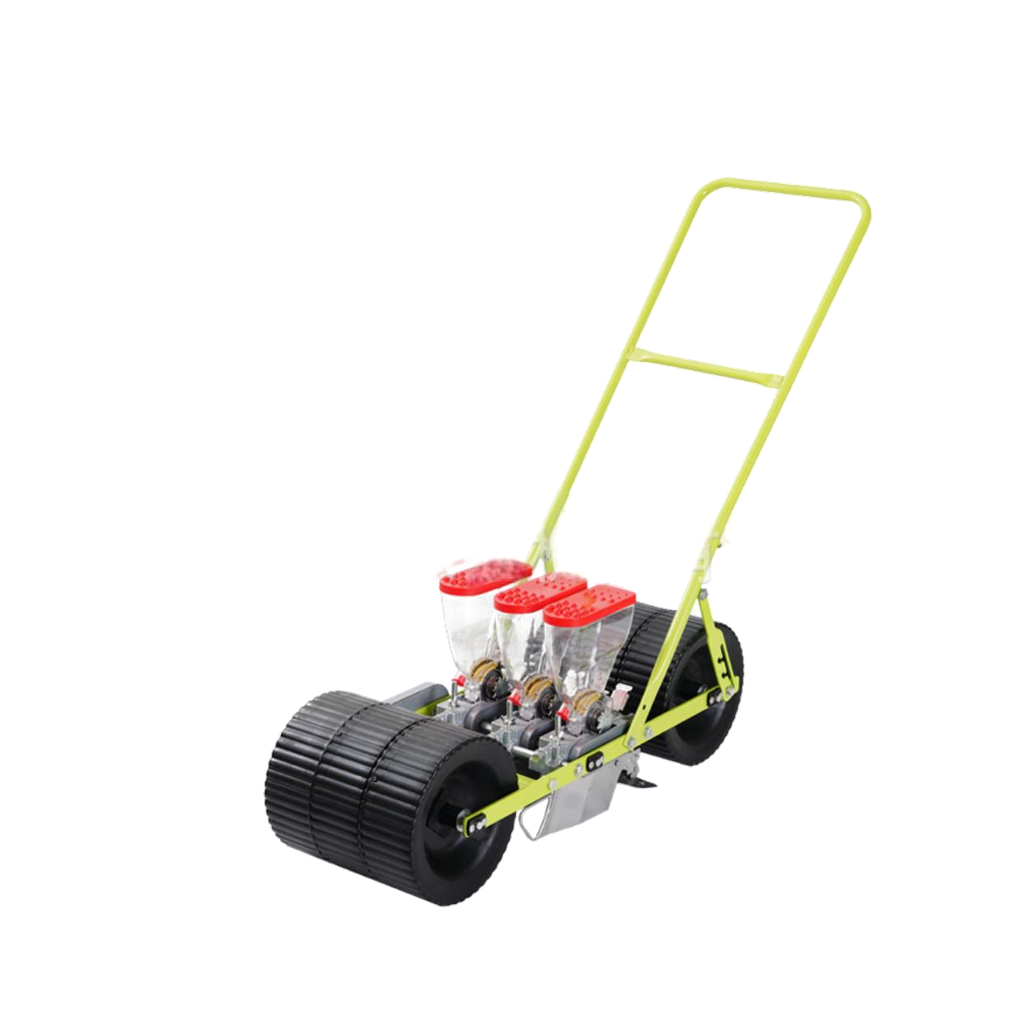
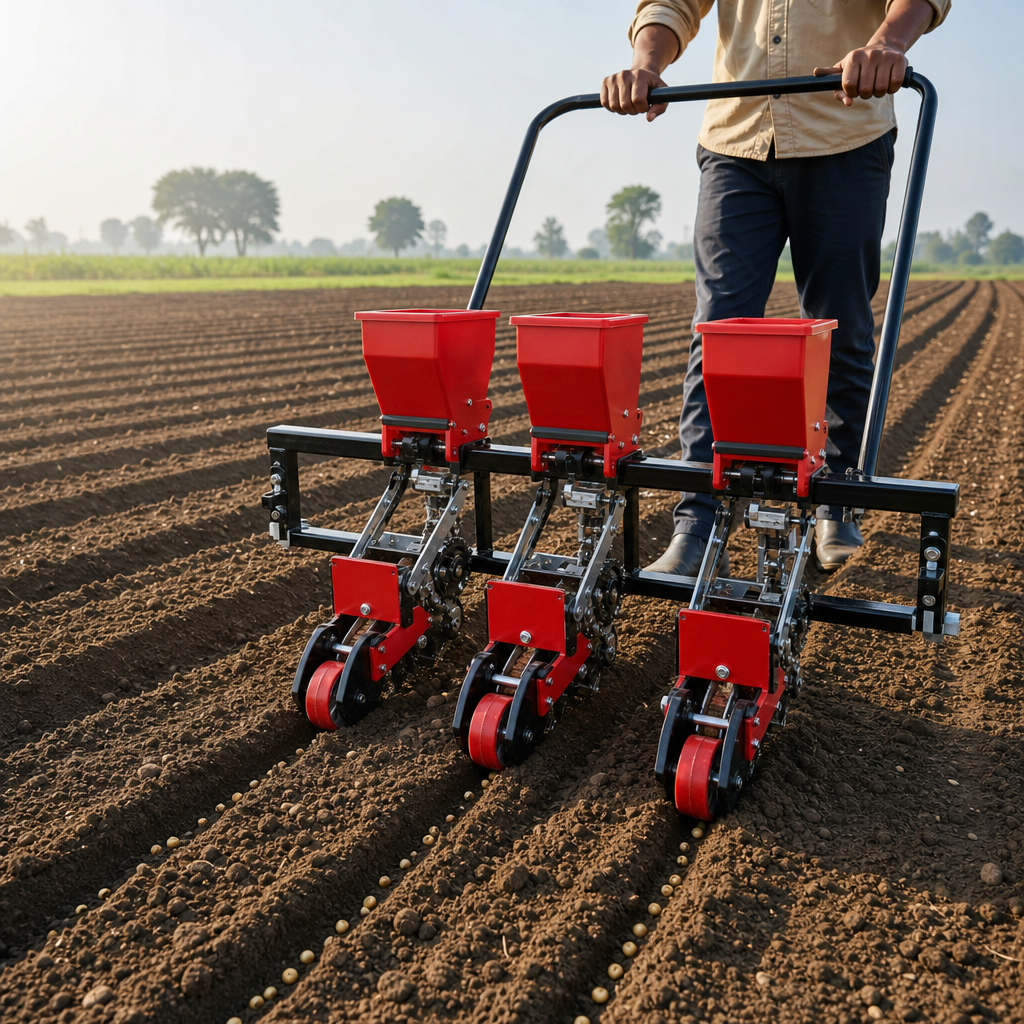
Vegetable seed planters are essential agricultural machines designed to efficiently sow seeds in a systematic manner, ensuring optimal spacing and depth for germination. For B2B buyers, such as purchasing managers and agricultural engineers, key considerations include product specifications, reliability, and application suitability. This article aims to provide a comprehensive guide on evaluating vegetable seed planters, sourcing them in bulk, addressing common issues, ensuring quality control in manufacturing, and understanding their various applications. If you are looking for reliable equipment, consider the 8-25HP Diesel Walk Behind Tractor Water-Cooled Hand Start Farm Tractor for your agricultural needs.

Where to Source Reliable Vegetable Seed Planters in Bulk

Where to Source Reliable Vegetable Seed Planters in Bulk

Sourcing vegetable seed planters in bulk requires careful consideration of suppliers to ensure reliability and quality. Key strategies include:

Industry Trade Shows and Expos: Attending agricultural trade shows provides direct access to manufacturers and suppliers. It allows you to inspect equipment firsthand and engage in discussions about customization options and pricing.

Supplier Directories and Online Marketplaces: Utilize reputable B2B platforms and directories where verified manufacturers list their products. Ensure you filter results based on certifications, such as CE or ISO 9001, to confirm compliance with quality standards.

Referrals and Reviews: Seek recommendations from industry peers or agricultural cooperatives. Reading reviews and testimonials can provide insights into the supplier’s reliability and the performance of their products.

Direct Manufacturer Contacts: Engaging directly with manufacturers like Agripros allows for better negotiation on bulk pricing and customization options. Discussing your specific needs with the manufacturer can also yield insights into the best models for your operations.

Quality Assurance Checks: Before finalizing an order, request samples or conduct factory visits to inspect production processes and quality control measures. This step can help ensure that the products will meet your expectations upon delivery.

By following these strategies, buyers can confidently source high-quality vegetable seed planters that align with their operational needs.

Common Problems with Vegetable Seed Planters and Their Solutions

Common Problems with Vegetable Seed Planters and Their Solutions

Understanding common issues associated with vegetable seed planters can help buyers make informed decisions and prepare for maintenance. Here are a few prevalent problems:

Seed Jamming: This can occur due to improper seed size or moisture content. To mitigate this, regularly inspect the seed hopper and adjust settings to accommodate varying seed types. Additionally, keeping the planter clean and free of debris can prevent jamming.

Inconsistent Planting Depth: If the planter fails to maintain a consistent depth, it may lead to uneven germination. Buyers should ensure that the planting mechanism is calibrated correctly and that the planter is maintained regularly to prevent wear and tear on the depth control mechanisms.

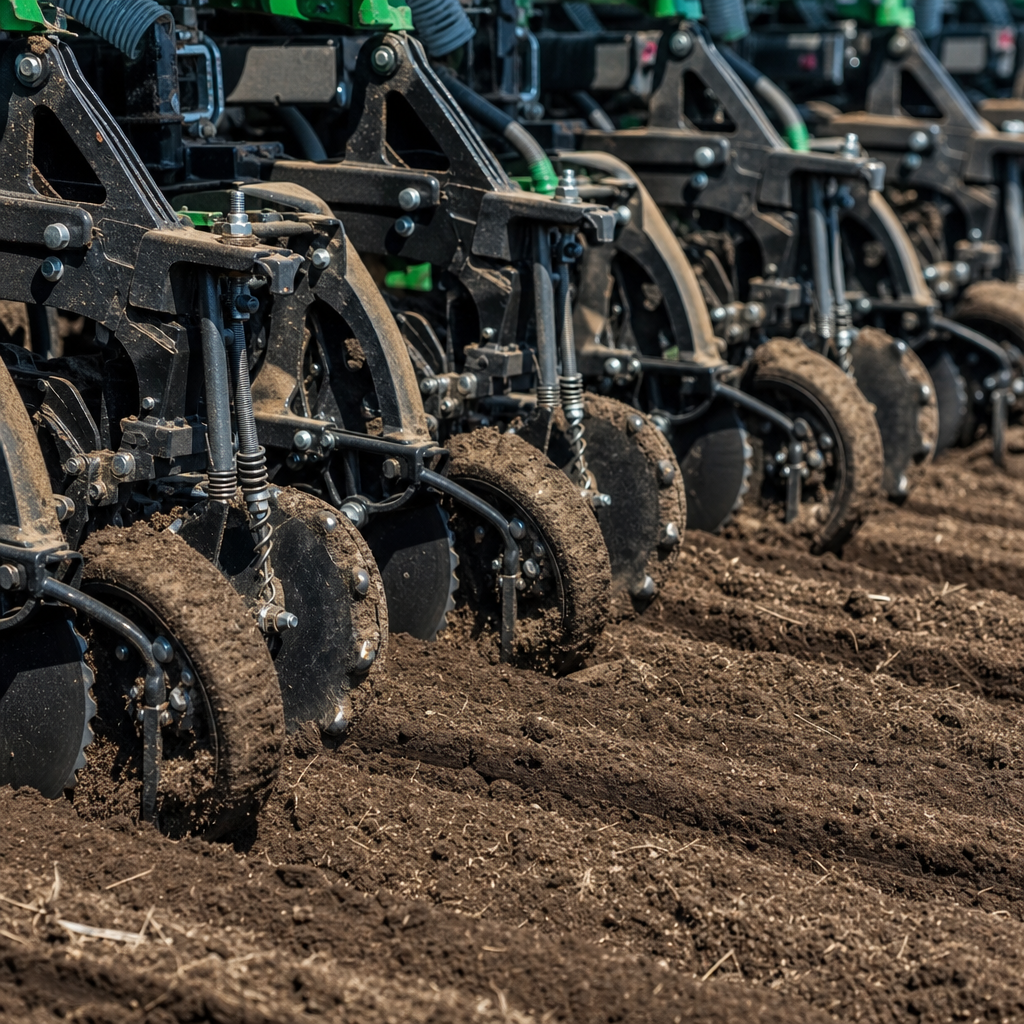
Wear and Tear on Components: Over time, parts such as seed discs or furrow openers can wear out, affecting performance. Establishing a routine maintenance schedule, including the replacement of worn components, is essential to prolong the lifespan of the planter.

Calibration Issues: Incorrect calibration can lead to either over-seeding or under-seeding. Buyers should familiarize themselves with the planter's calibration process and perform regular checks to ensure accuracy.

By addressing these common issues proactively, agricultural operations can maintain efficiency and prevent costly downtime.

Quality Control Measures for Vegetable Seed Planter Manufacturing

Quality Control Measures for Vegetable Seed Planter Manufacturing

Quality control is a critical aspect of manufacturing vegetable seed planters, ensuring that each unit meets established specifications and performance standards. Key measures include:

Material Inspection: Before production begins, all incoming materials should undergo stringent quality checks. This includes verifying that steel or composite materials meet specified grades for durability and resistance to environmental factors.

Process Monitoring: Throughout the manufacturing process, regular audits should be conducted to ensure adherence to established protocols. This includes monitoring assembly processes, welding quality, and the integrity of mechanical components.

Testing Procedures: Final products should undergo rigorous testing to evaluate performance under simulated field conditions. This may include tests for planting accuracy, durability under stress, and ease of operation.

Certification Compliance: Ensuring that products comply with relevant agricultural machinery standards, such as CE and ISO 9001, adds an additional layer of quality assurance. Documentation should be available to buyers to validate these certifications.

Feedback Loops: Establishing a feedback mechanism with customers can help manufacturers identify recurring issues and areas for improvement, ensuring continuous enhancement of product quality.

Implementing these quality control measures can help manufacturers like Agripros maintain a reputation for reliability and performance in the agricultural machinery market.

Applications of Vegetable Seed Planters in Various Agricultural Settings

Vegetable seed planters find applications across different agricultural settings, each requiring specific features to maximize efficiency:

Large-scale Commercial Farming: In large operations, high-capacity seed planters are essential for quickly covering extensive fields. These planters often include advanced features like GPS technology for precise planting and the ability to handle various seed types.

Smallholder Farms: Smaller farms may benefit from compact seed planters that are easy to maneuver and store. These planters often focus on versatility and can be adjusted for different seed varieties and planting depths.

Organic Farming: For organic farms, seed planters designed with minimal soil disturbance are beneficial. These planters help maintain soil structure and health, essential for organic practices.

Community Gardens: In community or educational gardens, simple, user-friendly seed planters can encourage participation and make gardening accessible. These planters typically require less technical knowledge and are easier to operate.

Research and Development: Agricultural research facilities utilize specialized seed planters for trials and experiments. These planters may incorporate advanced features for data collection and precise control over planting variables.

By understanding the specific applications of vegetable seed planters, buyers can select equipment tailored to their operational requirements, enhancing productivity and sustainability in various agricultural practices.

Key Specifications to Evaluate in Vegetable Seed Planters

When considering vegetable seed planters, several specifications are critical for ensuring that the equipment meets the operational requirements of your agricultural practices.

Planting Mechanism: The type of planting mechanism—whether it’s pneumatic, mechanical, or a combination—affects seeding accuracy and speed. Pneumatic systems use air pressure to plant seeds, allowing for precise placement, while mechanical systems rely on gears and rollers that may have limitations in seed size and shape compatibility.

Seeding Depth and Spacing: Adjustable settings for seeding depth and spacing are vital. The depth must correlate with the specific seed type to promote optimal germination, while proper spacing prevents overcrowding, ensuring each plant has sufficient resources to grow.

Capacity and Size: The capacity of the seed hopper and the overall dimensions of the planter should align with the scale of your operations. Larger planters can cover more ground quickly, but they may be less suitable for smaller, diverse plots.

Durability and Material Quality: The materials used in construction should be robust enough to withstand the rigors of fieldwork. Look for planters made from high-quality steel or composite materials that resist rust and wear.

Compatibility and Adaptability: Ensure that the planter can be easily integrated with existing agricultural machinery, such as tractors. Some models offer versatility for different seed types, which can be a significant advantage for operations with varied crops. For example, the Grain Feed Ingredient Mixer – 500-5000L Crusher & Blender can complement your planting operations.

Understanding these specifications allows buyers to select a vegetable seed planter that effectively meets their specific agricultural needs, reducing the risk of operational inefficiencies.

Frequently Asked Questions

What crops suit the vegetable seed planter?

The planter handles a wide range of vegetables including lettuce, cabbage, carrots, onions and peppers. It supports various seed sizes and transplant seedlings with adjustable settings to suit crop type.
Our planter is manufactured under CE and ISO 9001 quality systems, ensuring safe design, traceable production, and consistent performance aligned with international standards.
Adjustable features include seeding depth, seed spacing, row width, and seed metering rate. These controls enable precise planting tailored to field conditions and crop requirements.
Yes. Agripros provides installation guidance, commissioning support, spare parts, and lifecycle maintenance services to customers across our global network.
Yes. We offer tailored configurations based on farm scale and crop needs, including different widths and hopper capacities, plus technical consulting to optimize performance.

Get a Free Quote

Our representative will contact you soon.
0/1000