Selecting the Right 3 Point Tiller for Your Needs

application/3-point-tiller, application/3-point-tiller, 
Inquiry
Inquiry

3 point tiller

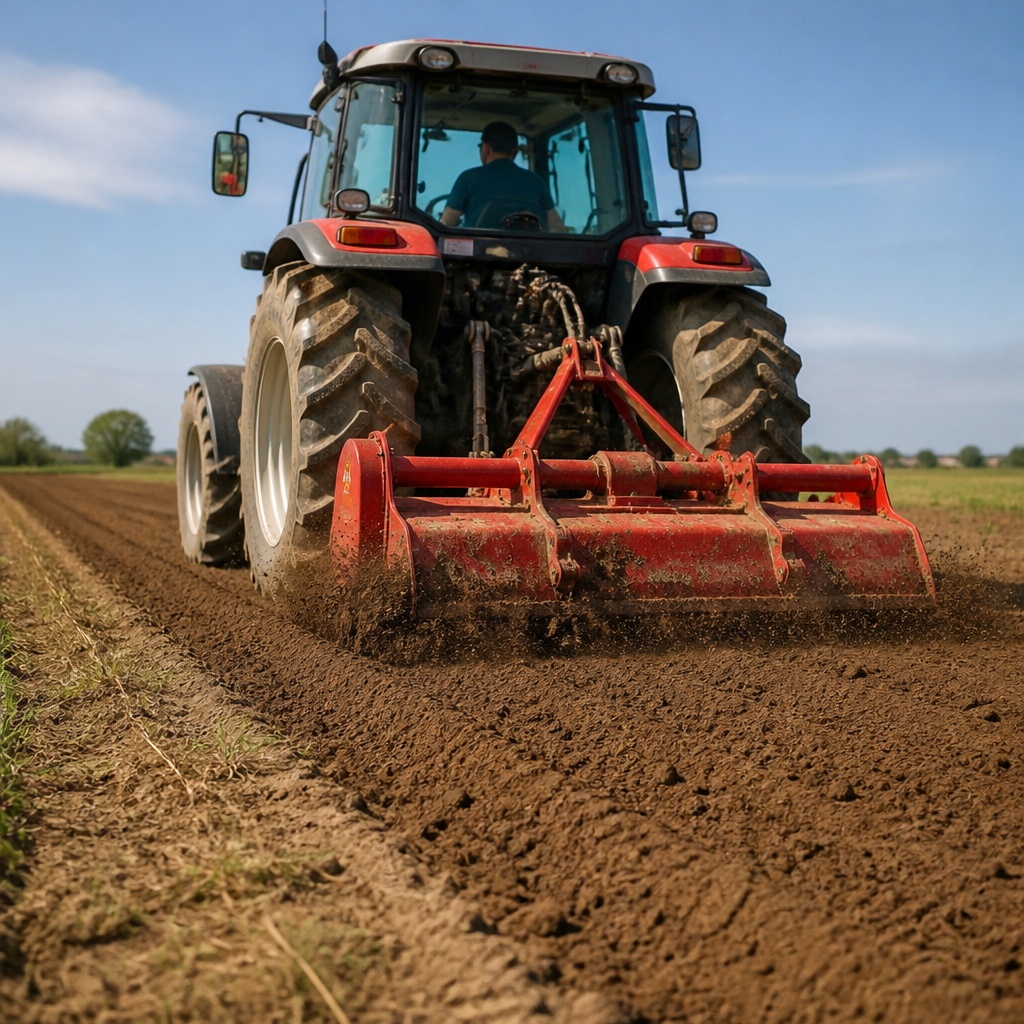
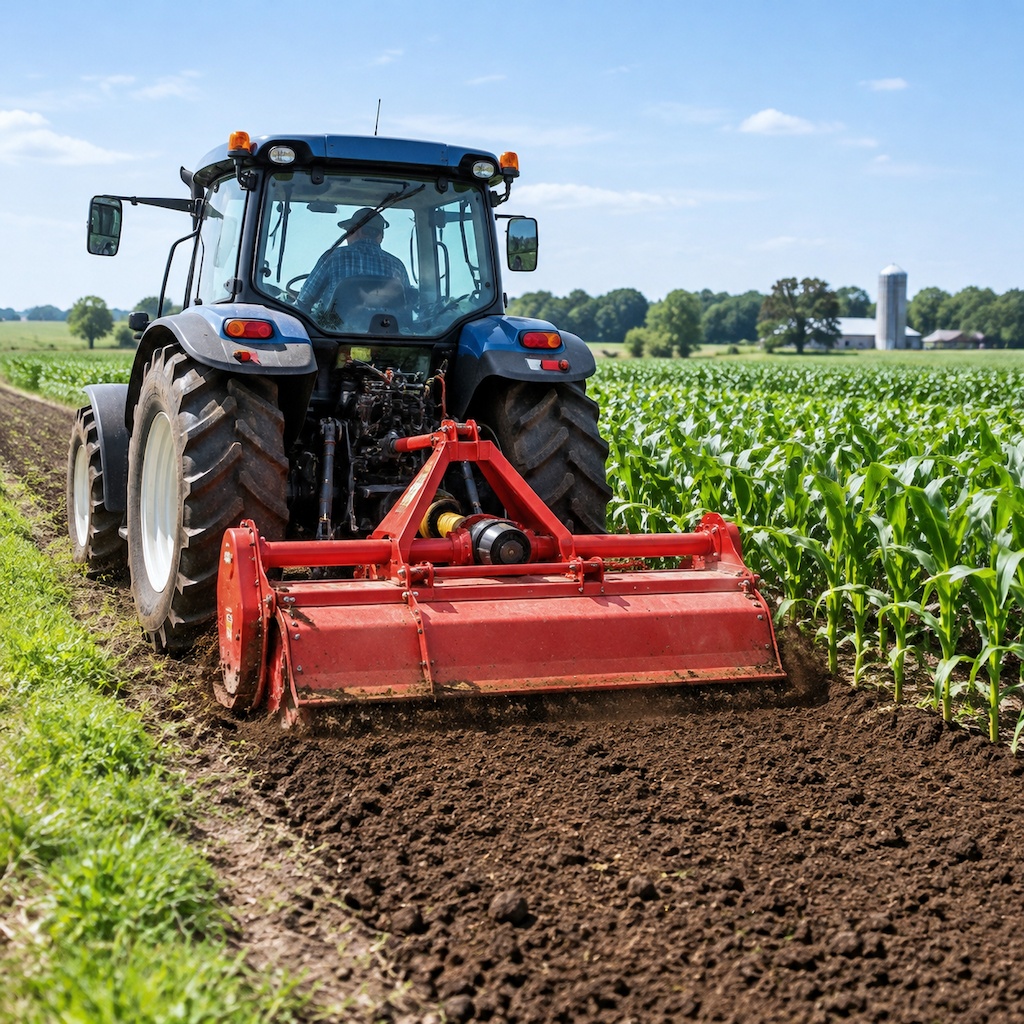
Selecting the right 3 point tiller is crucial for optimizing soil preparation and ensuring efficient agricultural practices. As a vital piece of equipment in modern farming, a 3 point tiller can significantly impact crop yields and overall farm productivity. B2B buyers, including purchasing managers and equipment distributors, often face concerns such as compatibility with existing machinery, durability, and cost-effectiveness. This article will guide you through the essential considerations for selecting a suitable 3 point tiller, highlighting key features, sourcing options, cost factors, and strategies for maximizing agricultural efficiency.

Key Features and Benefits

Key Features and Benefits

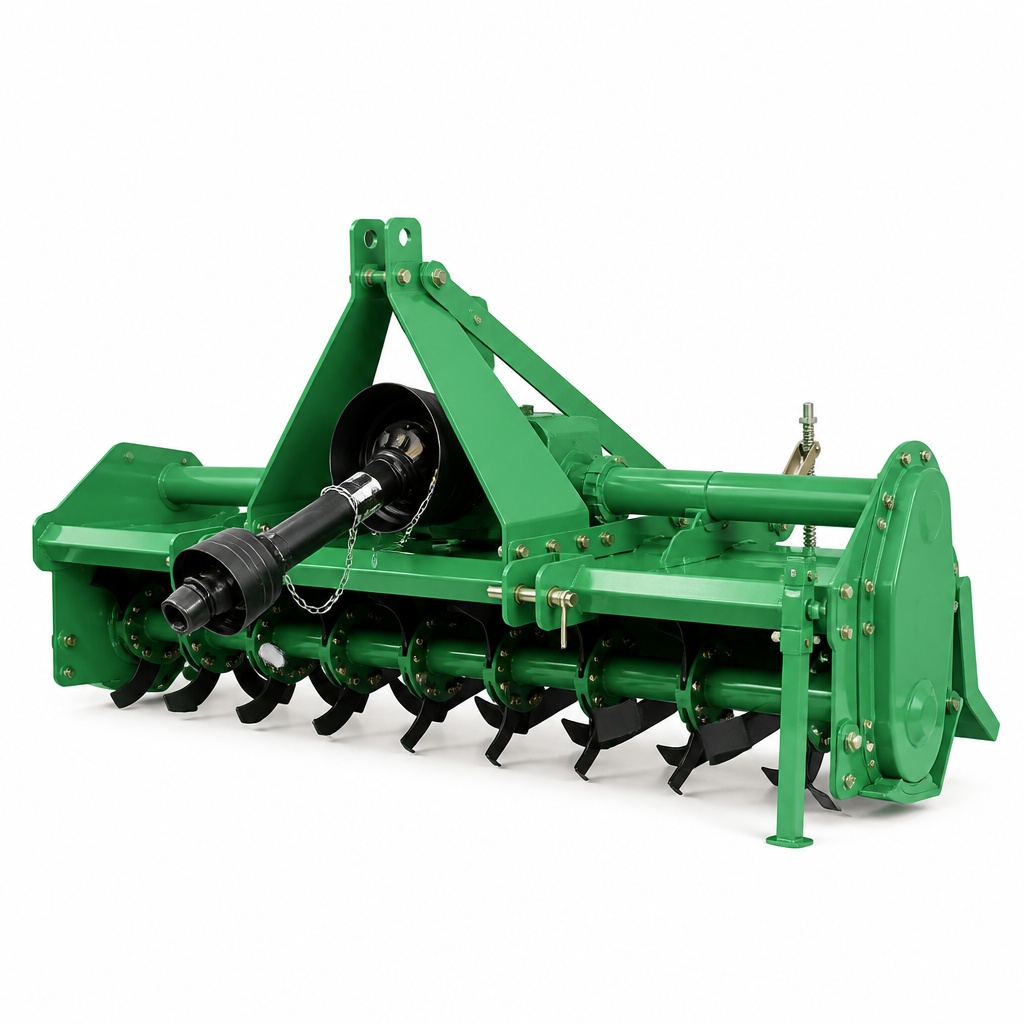
A quality 3 point tiller comes with several key features that enhance its functionality and usability. These include:

Adjustable Tilling Depth: This feature allows users to customize the tilling depth according to their specific soil and crop requirements, leading to better soil aeration and root growth.

Durable Tines: Tines made from high-quality materials, such as hardened steel, can withstand harsh conditions and provide consistent performance over time. This durability reduces the need for frequent replacements, translating to cost savings for the user.

Easy Attachment and Detachment: A well-designed tiller should allow for quick and easy attachment to and detachment from the tractor. This feature enhances operational efficiency, saving valuable time during transitions between different tasks.

Versatility: Many 3 point tillers can be used for various applications, including seedbed preparation, weed control, and post-harvest tillage. This versatility makes them a valuable investment for farms of all sizes. For instance, utilizing a Grain Crusher alongside your tiller can enhance your agricultural operations.

By focusing on these features, buyers can choose a tiller that not only meets current needs but can also adapt to future farming practices.

Where to Find Wholesale 3 Point Tillers for Your Business

Where to Find Wholesale 3 Point Tillers for Your Business

Finding a reliable supplier for wholesale 3 point tillers involves exploring various channels. Start by researching manufacturers that specialize in agricultural machinery. Companies like Agripros, known for their tailored, lifecycle-based solutions, can provide you with high-quality options that meet industry standards.

Trade shows and agricultural expos are also excellent venues for discovering suppliers. These events allow you to see equipment firsthand, ask questions, and often negotiate bulk pricing directly with manufacturers.

Additionally, online marketplaces and industry-specific platforms can connect you with multiple suppliers. Be sure to check certifications, such as CE and ISO 9001, to ensure that the products meet quality standards and regulatory requirements.

Networking with other agricultural professionals can also yield valuable recommendations for reputable suppliers. Engaging in forums and industry groups can provide insights into the best sources for wholesale purchases.

Cost Factors to Evaluate When Purchasing 3 Point Tillers

Cost Factors to Evaluate When Purchasing 3 Point Tillers

When considering the cost of a 3 point tiller, several factors can influence the overall price. The primary elements to evaluate include:

Material Quality: Higher-quality materials typically result in a higher initial cost but can lead to lower maintenance and replacement expenses over time. Buyers should assess whether the upfront investment aligns with their long-term operational budget.

Specifications and Features: Additional features, such as adjustable depths and enhanced durability, can increase the price. Buyers should weigh these features against their actual needs to avoid overpaying for unnecessary options.

Volume Discounts: Purchasing in bulk often yields cost savings. Evaluate your operational needs to determine the optimal quantity for a bulk purchase, which can lead to significant reductions in the per-unit cost.

Shipping and Handling: Don’t forget to factor in shipping costs, which can vary widely based on distance and freight service. Some suppliers may offer free shipping for larger orders, so it's worth inquiring about these possibilities.

After-Sales Support and Warranty: Costs associated with maintenance and warranty services may also affect the overall investment. A supplier that offers robust after-sales support can save you money in repairs and downtime in the long run.

By carefully evaluating these cost factors, buyers can make more informed purchasing decisions that align with their budget and operational goals.

Maximizing Your Agricultural Efficiency

To maximize the efficiency of agricultural operations using a 3 point tiller, consider the following strategies:

Regular Maintenance: Establish a routine maintenance schedule to inspect and service the tiller. This includes checking the tines for wear, lubricating moving parts, and ensuring that the attachment points remain secure. A well-maintained tiller operates more effectively and has a longer lifespan.

Training Operators: Proper training for equipment operators can significantly enhance operational efficiency. Ensure that users understand how to adjust settings, operate the tiller safely, and recognize signs of potential issues during use.

Optimizing Tilling Practices: Implement best practices for tilling, such as avoiding tillage when the soil is too wet, which can lead to compaction. Adjust the tilling depth based on crop needs and soil type to achieve the best results.

Integrating Technology: Consider integrating technology, such as GPS and precision agriculture tools, to optimize tilling patterns and improve overall farm management. These technologies can lead to more effective resource use and better crop outcomes.

By focusing on these strategies, buyers can enhance the effectiveness of their 3 point tillers, leading to improved agricultural productivity and profitability. Selecting the right 3 point tiller involves careful consideration of compatibility, features, sourcing options, and cost factors. By understanding these elements, B2B buyers can make informed decisions that align with their agricultural needs, ultimately leading to greater efficiency and productivity in their operations.

What to Consider When Selecting a 3 Point Tiller for Your Needs

When selecting a 3 point tiller, the foremost considerations include compatibility with the tractor's specifications, the tilling depth required for your soil type, and the tiller's overall construction. Buyers should ensure that the tiller's weight and size are appropriate for their tractor's capacity, as overloading can lead to equipment damage or inefficient operation.

Tilling depth is another critical factor. Different crops and soil types may require varying depths for optimal growth. For instance, a tiller designed for heavy, clay-rich soils may need to penetrate deeper than one intended for sandy soil. Buyers should assess their soil conditions and crop requirements to select a tiller that can meet these needs effectively.

Additionally, consider the tiller's design and build quality. Features such as the material used in construction, the number of tines, and the type of tillage (standard or heavy-duty) can significantly affect performance. Ensure that the tiller is built to withstand the rigors of your specific farming environment. For example, a well-constructed 8-25HP Diesel Walk Behind Tractor can complement your tilling efforts.

Frequently Asked Questions

What is the 3 point tiller used for?

The 3 point tiller is used for primary and secondary tillage, soil pulverizing, seedbed preparation, and residue incorporation on farms and plantations.
Compatible with tractors that have a standard three-point hitch in the declared HP range; check product spec for exact horsepower and hitch category.
Yes. Agripros supplies the tiller with CE and ISO 9001 quality management alignment and factory inspection prior to shipment.
Constructed from high-strength steel with reinforced gearboxes and wear-resistant tines to withstand continuous field operations.
Agripros offers spare parts, technical guidance, and lifecycle maintenance support tailored to your operation across our service network.

Get a Free Quote

Our representative will contact you soon.
0/1000