Common Cultivator Problems and Effective Solutions
Even with proper care, cultivators can encounter issues. Here are some common problems and solutions:
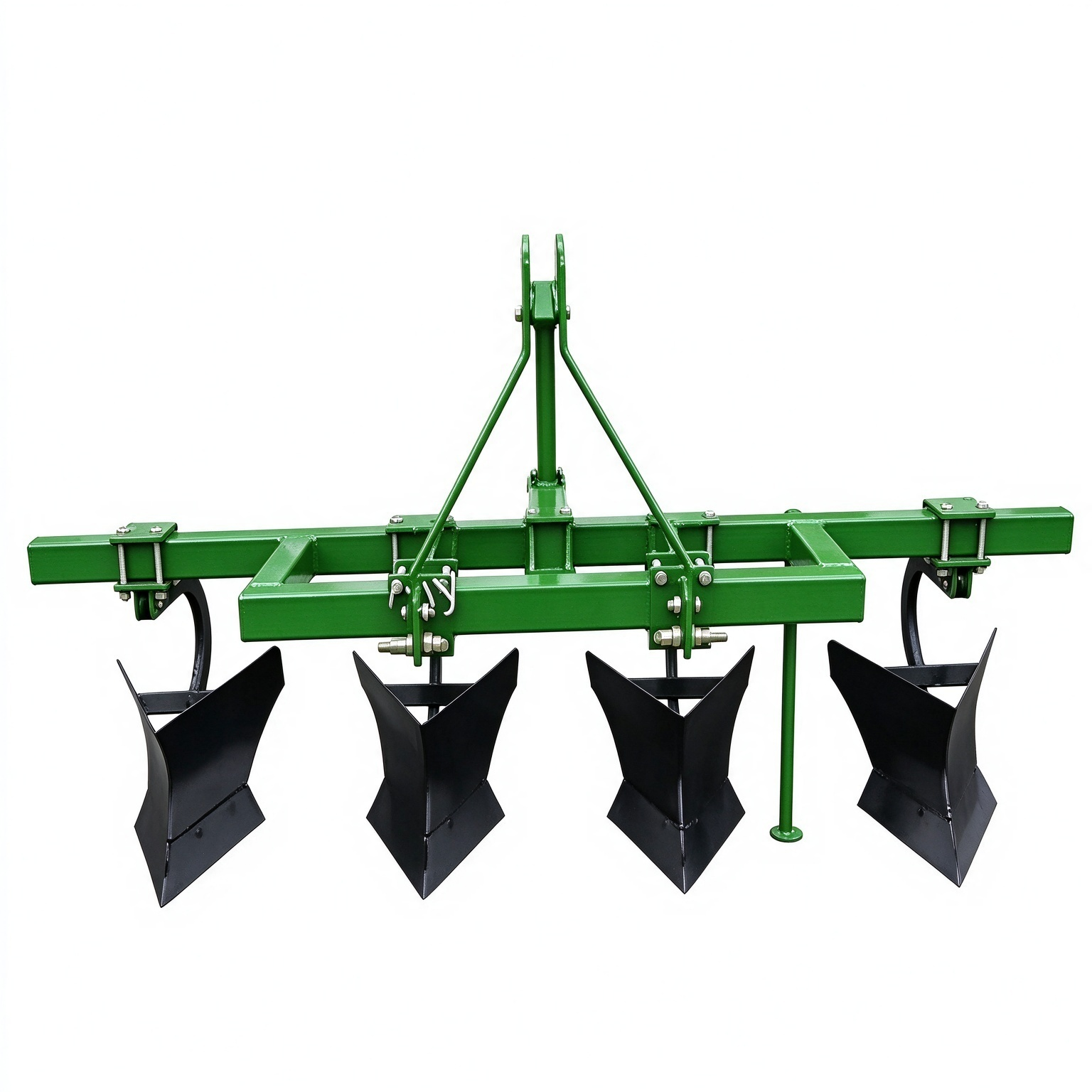
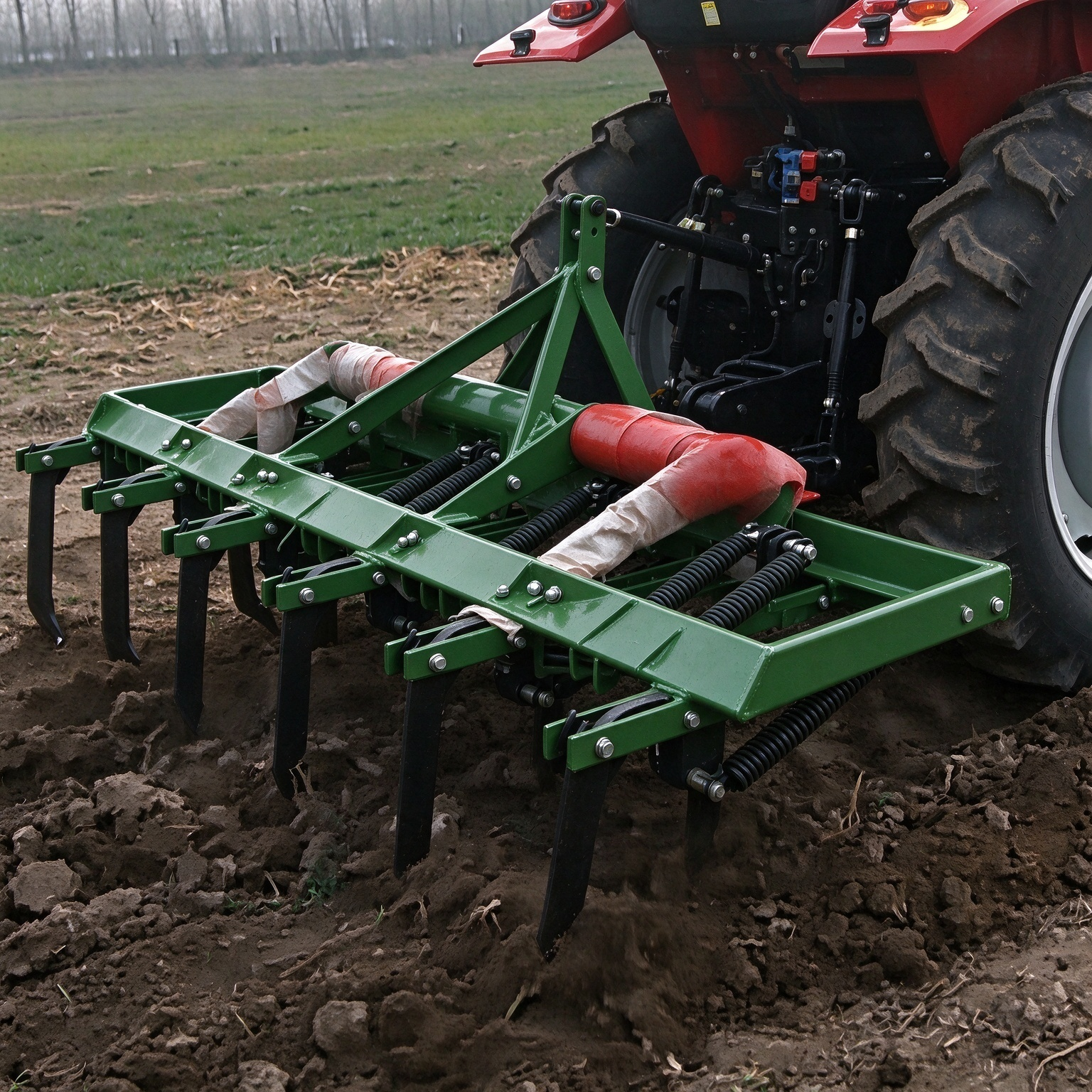
Worn Tines: Over time, tines can become dull or bent, reducing effectiveness. Regularly inspect tines and replace them as needed to maintain optimal performance.
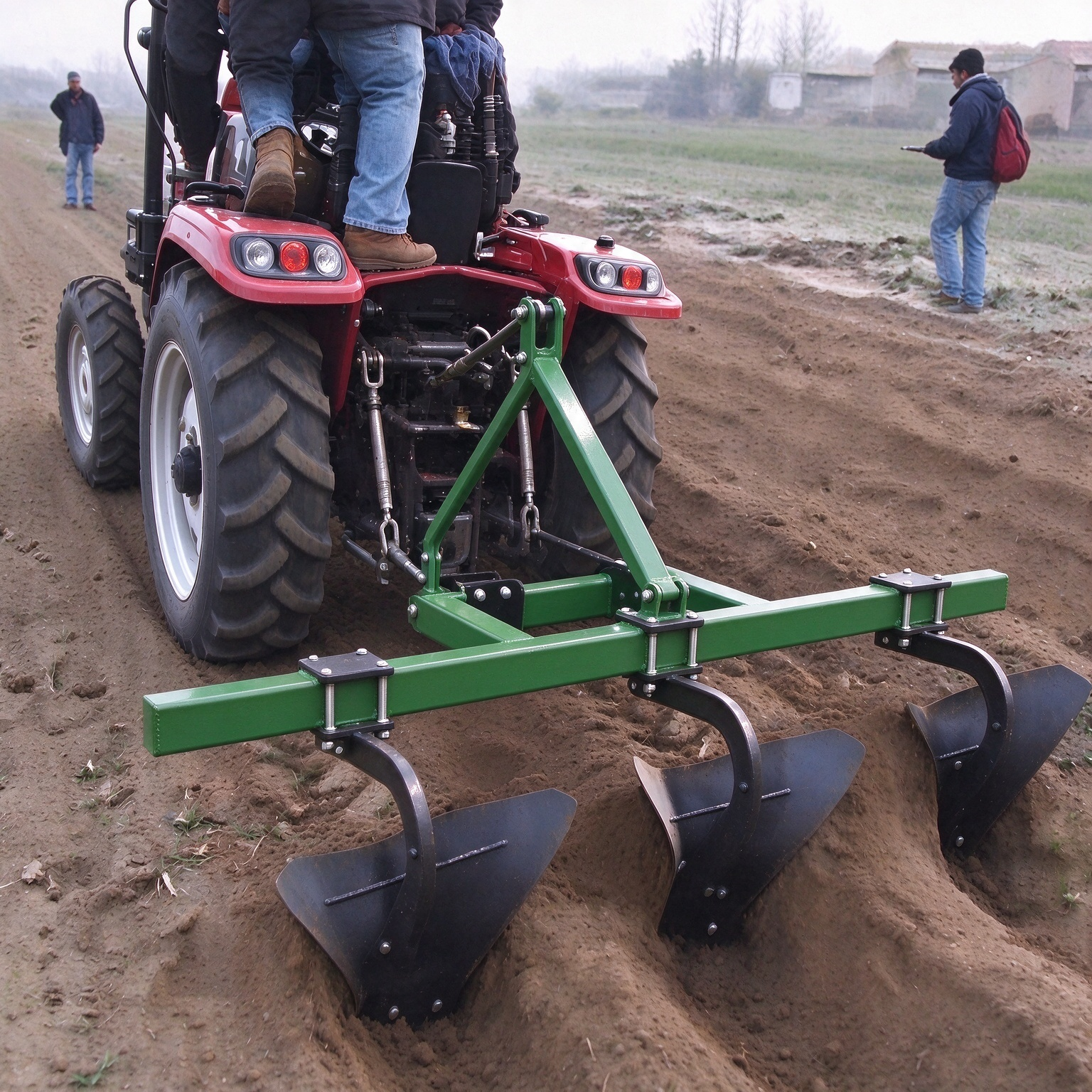
Soil Compaction: If the cultivator is too heavy for the soil type, it can lead to compaction, which hinders crop growth. Adjusting the working weight or choosing a lighter model can alleviate this issue.
Inconsistent Depth: If the cultivator isn’t set correctly, it may not penetrate the soil uniformly. Regular checks and adjustments to the depth control can help maintain consistency.
Mechanical Failures: Components such as bearings and gears may fail over time due to wear. Regular maintenance and checks can prevent unexpected breakdowns.
Poor Weed Control: If the cultivator fails to adequately control weeds, check the tine configuration and spacing. Adjusting these settings or using a different model may enhance weed management.
By being aware of these potential issues, buyers can take proactive steps to ensure their cultivator operates effectively throughout its lifecycle.
In summary, selecting the right cultivator involves understanding its specifications, considering the factors that impact performance, ensuring proper installation, and being prepared to address common issues. With the right approach, businesses can enhance their agricultural operations and achieve better crop yields.
 EN