Choosing the Right Field Cultivator for Your Farm

application/field-cultivator, application/field-cultivator, 
Inquiry
Inquiry

field cultivator

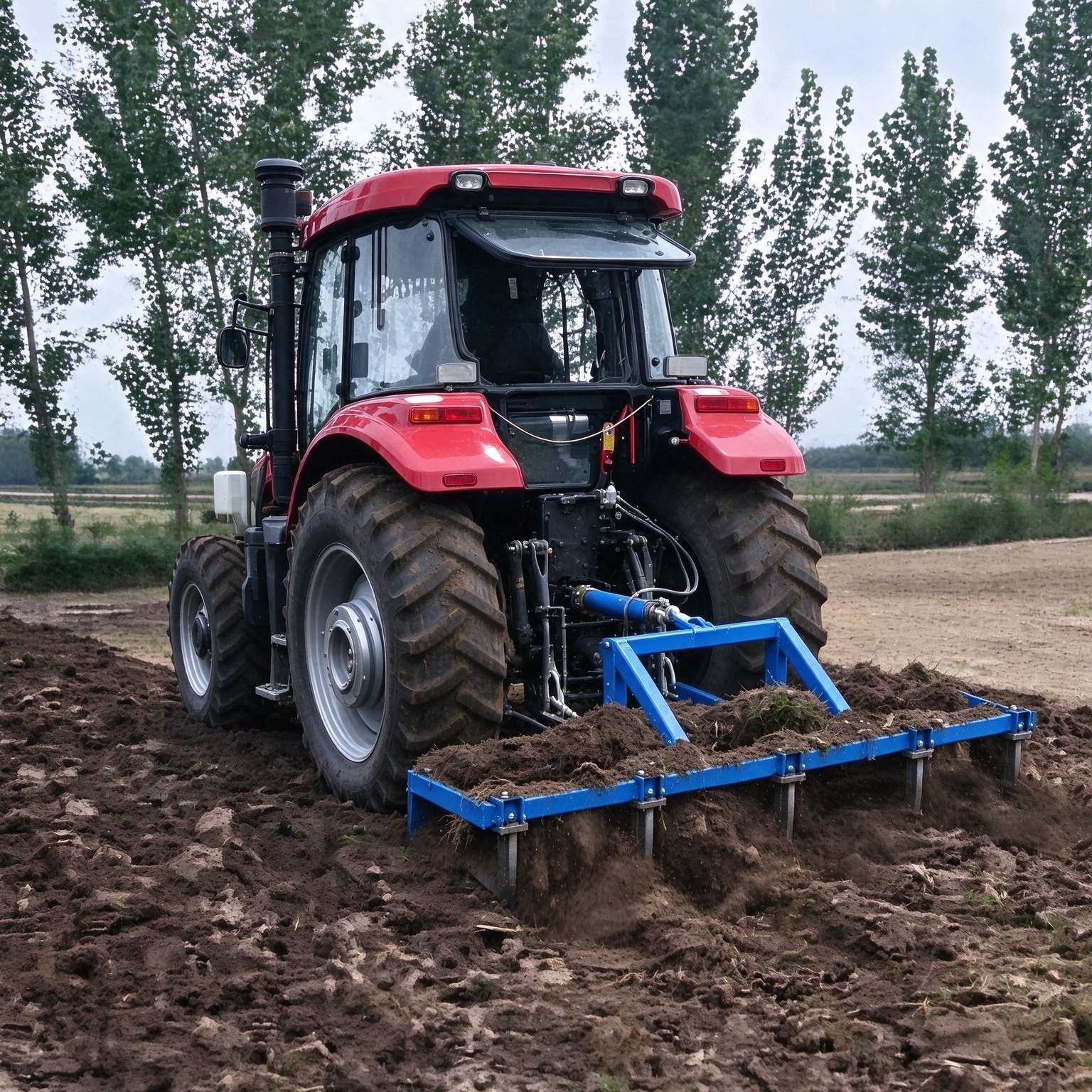
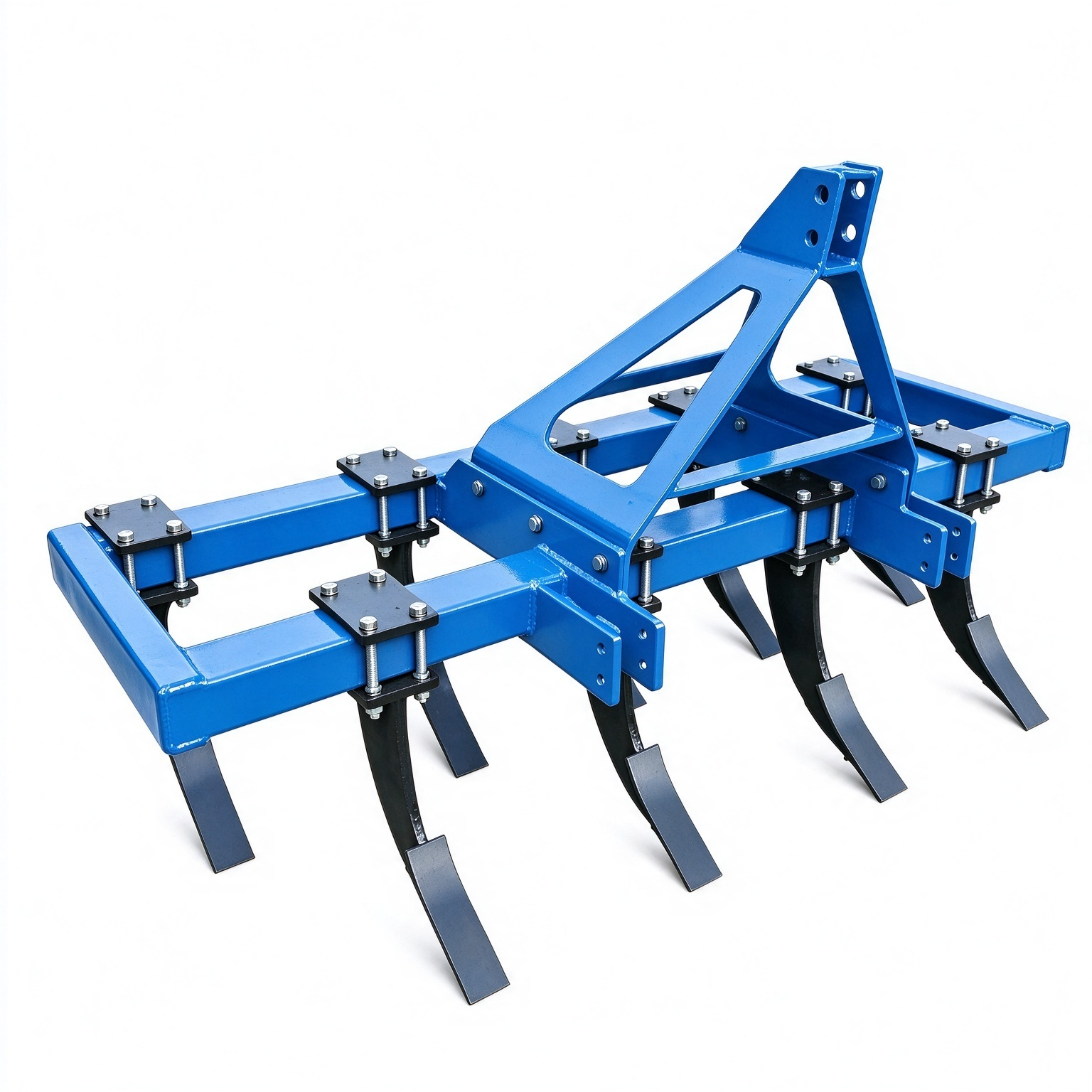
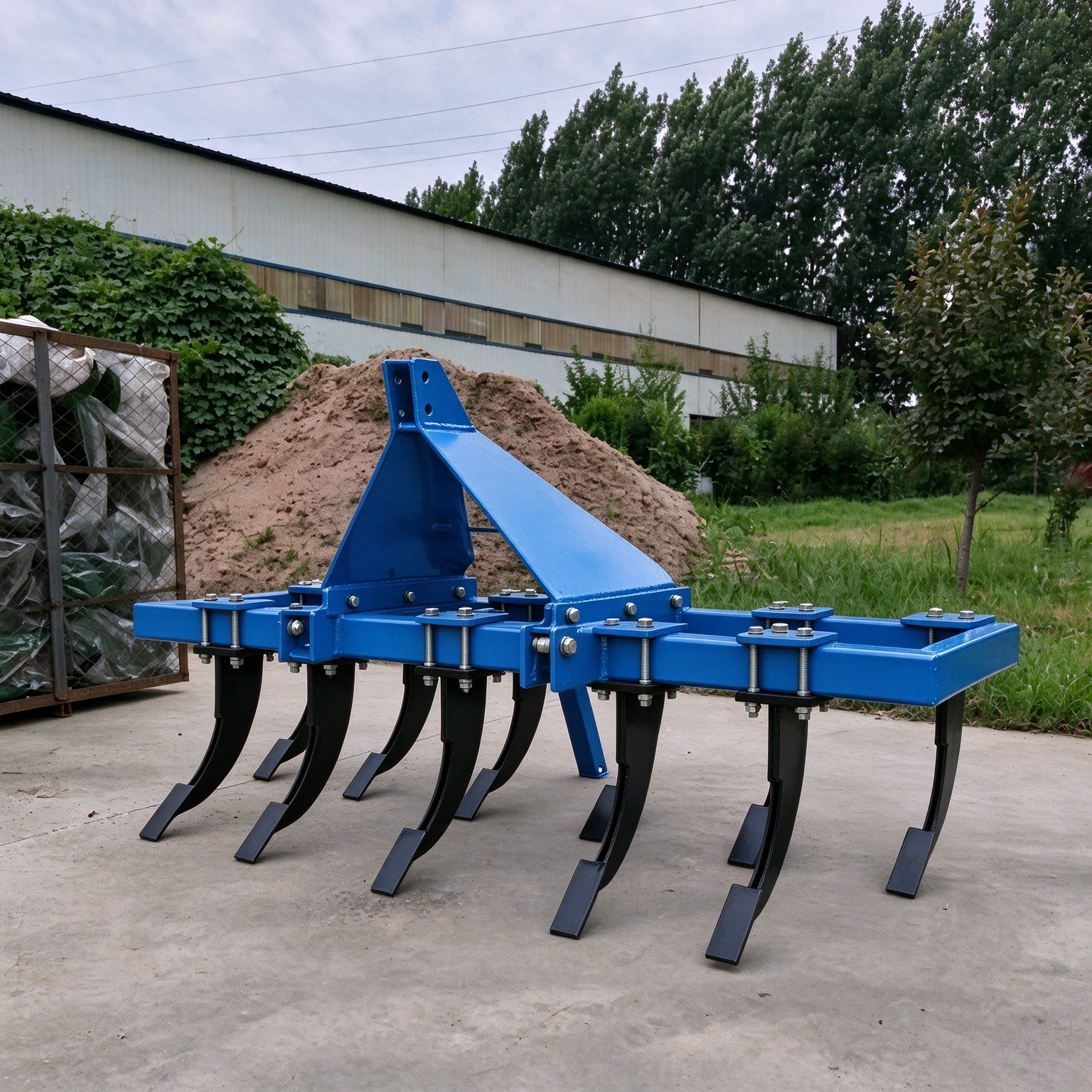
A field cultivator is a vital piece of agricultural machinery designed to prepare soil for planting by loosening and aerating the earth. When selecting a field cultivator, B2B buyers must consider various factors, including specifications, compatibility with existing equipment, and overall performance. This article will guide you through essential considerations in choosing a quality field cultivator, evaluating its specifications, finding the right fit for your farm, installation guidance for optimal performance, and key features to inform your purchasing decisions.

How to Evaluate Field Cultivator Specifications for Your Needs

How to Evaluate Field Cultivator Specifications for Your Needs

Evaluating specifications is critical to ensuring the field cultivator meets your operational requirements. Here are key specifications to consider:

Working Width: This specification is vital as it determines how much area can be covered in a single pass. Choose a width that suits the size of your fields and the productivity goals of your farm.

Shank Spacing: The spacing between shanks affects soil structure and weed control. Closer spacing can provide better weed suppression, while wider spacing may be preferable for larger clumps of soil.

Operating Depth: The ability to adjust the operating depth is crucial for different crops and soil types. A depth range of 6 to 12 inches is common, but ensure that the cultivator can meet the specific requirements of your crops.

Weight: The weight of the cultivator impacts its penetration ability. Heavier models typically perform better in compacted soils but may require a more powerful tractor.

Tine or Shank Type: Different shapes and sizes of tines can affect the effectiveness of soil mixing and aeration. Curved or straight tines each have unique benefits, with curved tines often providing better soil disturbance.

Finding the Right Fit for Your Farm

Finding the Right Fit for Your Farm

Selecting the right field cultivator involves understanding your specific agricultural needs and farm conditions. Here are steps to help find the best fit:

Assess Soil Conditions: Analyze your soil types and moisture levels. For heavy clay soils, a cultivator with robust tines and a heavier frame is usually more effective.

Consider Crop Rotation: Different crops may require different soil preparation techniques. Choose a cultivator that can be adjusted for various planting methods, such as the Grain Feed Ingredient Mixer – 500-5000L Crusher & Blender.

Evaluate Field Size and Shape: The layout of your fields can influence the choice of cultivator. Larger fields may benefit from wider working widths, while smaller, irregularly shaped fields might require more maneuverable options.

Discuss with Peers: Engaging with other farmers or agricultural consultants can provide insights into which cultivators have performed well under similar conditions.

Trial and Evaluation: If possible, arrange for a trial of the cultivator before purchase. This hands-on experience can help assess performance in your specific farming context.

Installation Guidance for Optimal Performance of Field Cultivators

Installation Guidance for Optimal Performance of Field Cultivators

Proper installation and setup are crucial for achieving optimal performance from your field cultivator. Here are steps to ensure correct installation:

Read the Manual: Always start by thoroughly reading the manufacturer’s installation and operation manual. This document contains critical information for proper setup and operation.

Check Machine Compatibility: Ensure the cultivator is properly connected to the tractor’s hydraulic system. Check compatibility with the tractor's PTO and hitch to avoid operational issues.

Adjust Settings: Before the first use, adjust the working depth and width settings based on the type of soil and the intended crop. This may require some trial and error during initial passes.

Test Run: Conduct a test run in a small area of the field. Monitor the cultivator’s performance, making necessary adjustments to depth and speed for optimal soil preparation.

Regular Maintenance: After installation, regularly inspect and maintain the cultivator to ensure longevity and consistent performance. Check for wear on tines and shanks, and ensure that all mechanical parts are functioning correctly.

Key Features for Informed Purchasing Decisions

When making a purchasing decision, consider features that enhance the functionality and efficiency of field cultivators:

Hydraulic Adjustment: Models that offer hydraulic depth and width adjustments allow for quick changes without manual intervention, improving efficiency during operation.

Anti-Wrap Features: Cultivators designed with anti-wrap technology prevent crop residue from wrapping around tines, which can cause downtime and maintenance issues. This feature is especially beneficial for cultivators used in combination with equipment like the Mini Crawler Combine Harvester 25HP 1200mm Cutting Table.

Modular Design: Consider cultivators with a modular design that allows for easy upgrades or replacement of components. This can be beneficial for adapting to future farming needs.

Warranty and Support: Look for manufacturers that provide comprehensive warranties and customer support. This ensures that you have assistance in case of any issues during operation.

Export and Certification: Ensure that the cultivator meets relevant certifications, such as CE or ISO 9001, indicating adherence to quality and safety standards, particularly for international markets.

By understanding these factors and taking a methodical approach to evaluating field cultivators, purchasing managers and agricultural professionals can make informed decisions that enhance productivity and efficiency on their farms. Agripros, with its experience in designing and supplying agricultural machinery, is equipped to provide tailored solutions to fit your specific requirements.

What to Look for When Choosing a Quality Field Cultivator

When selecting a field cultivator, buyers should prioritize durability, operational efficiency, and adaptability to various soil types. Key factors include:

Material Quality: Look for cultivators made from high-strength steel or other corrosion-resistant materials. This ensures longevity, especially in challenging soil conditions.

Construction and Design: A well-constructed cultivator will have robust frame designs that can withstand the stresses of tillage. Features like heavy-duty tines or shanks can improve penetration and mixing capabilities.

Adjustability: Choose models with adjustable working widths and depths to accommodate different crops and soil conditions. This flexibility allows for optimal performance across various applications.

Ease of Maintenance: Consider cultivators that allow for easy access to parts for regular maintenance. This is crucial for minimizing downtime and extending the machine’s lifespan.

Compatibility: Ensure the cultivator is compatible with your existing tractor or machinery. Factors like the required horsepower and hydraulic connections are essential to check.

Frequently Asked Questions

What is the field cultivator used for?

Our field cultivator prepares seedbeds by loosening soil, controlling weeds, and improving aeration to enhance seed-to-soil contact and crop emergence.
Tractor requirements depend on model size; typical ranges from 40 to 200+ HP. We provide model-specific recommendations after site and field size assessment.
Yes. We offer configurable tine spacing, working width, and optional attachments to suit different soil types and crop systems.
Agripros equipment is CE certified and manufactured under ISO 9001 quality management to ensure safety, reliability, and consistent performance.
Yes. We supply lifecycle-based support across regions, including installation guidance, maintenance advice, and access to spare parts through our service network.

Get a Free Quote

Our representative will contact you soon.
0/1000