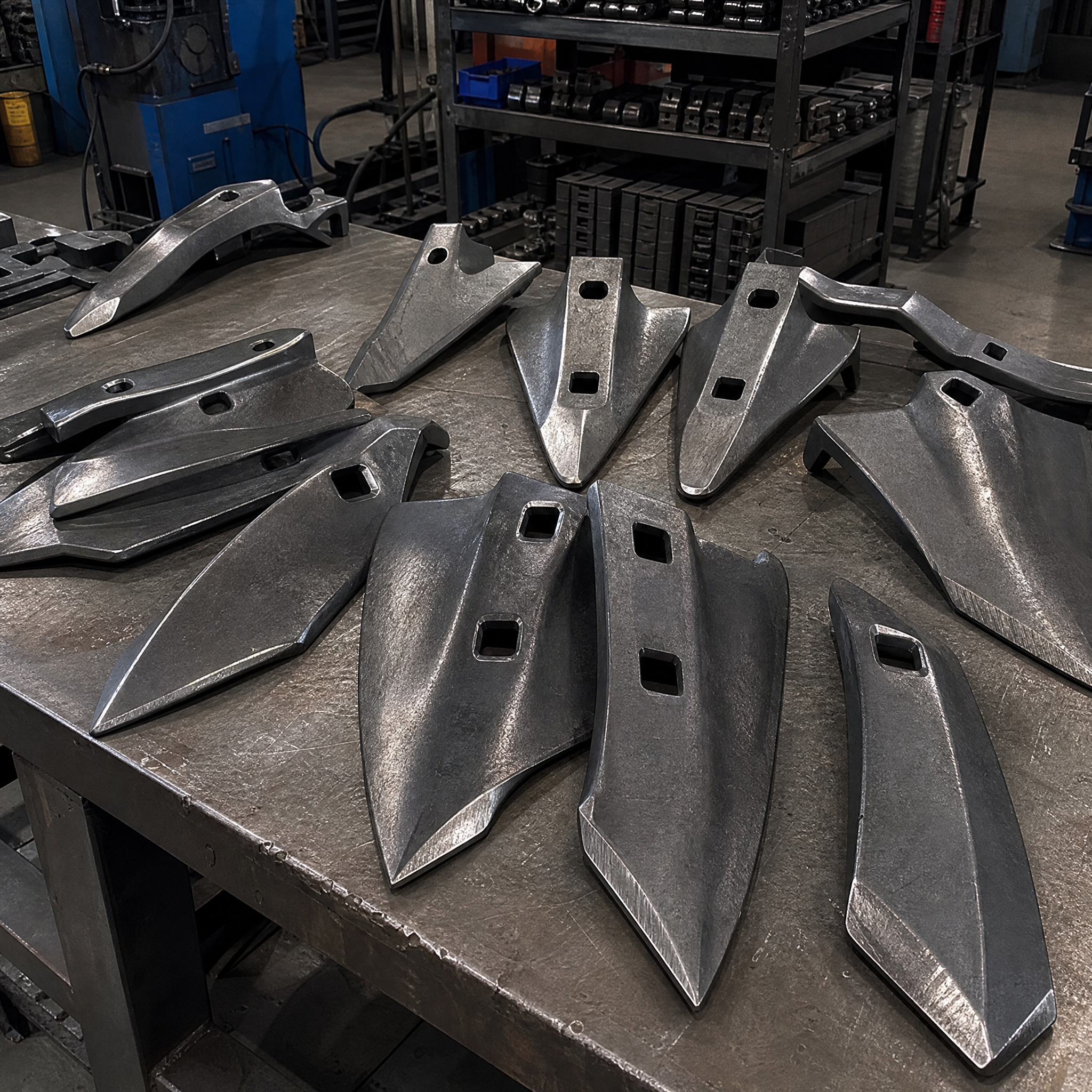
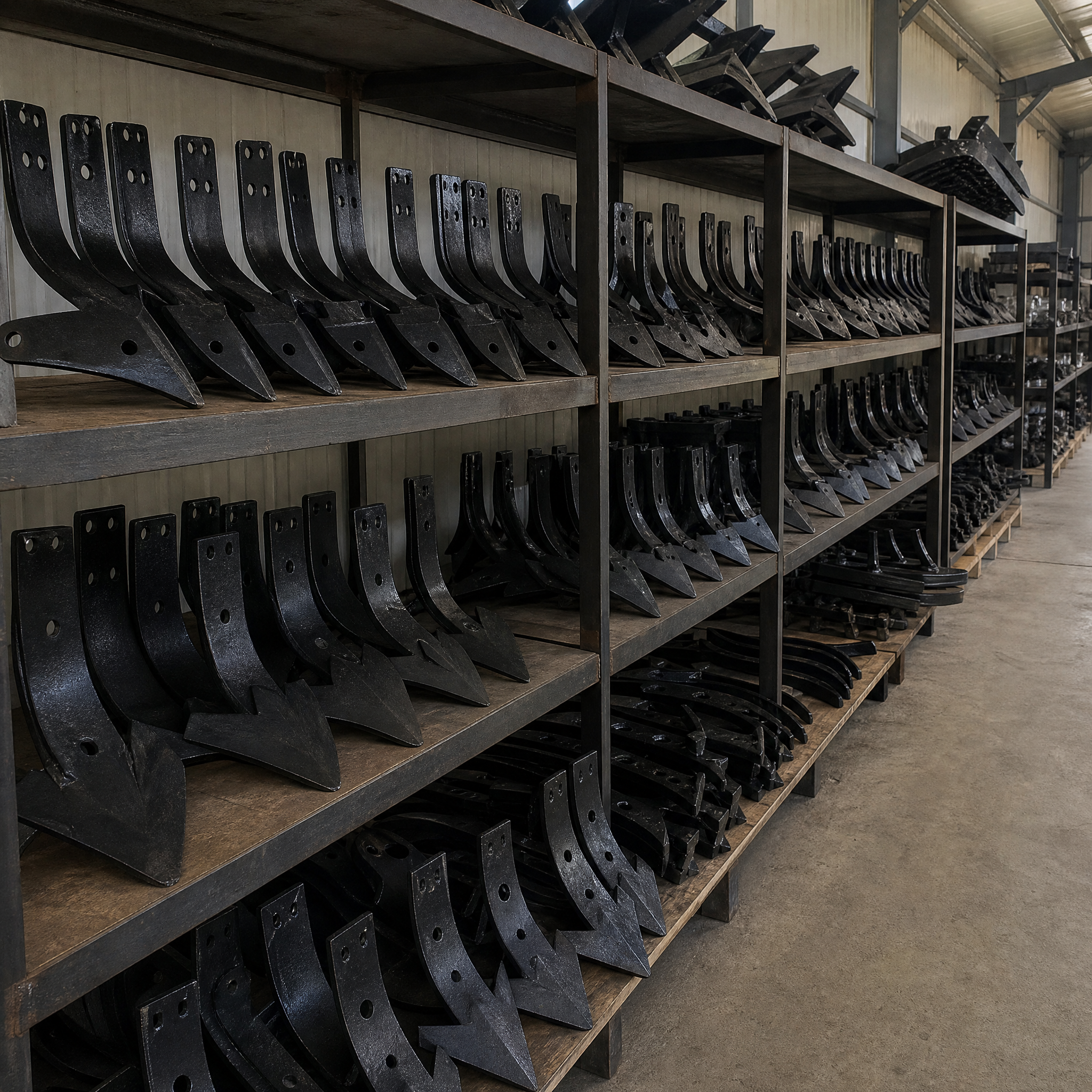
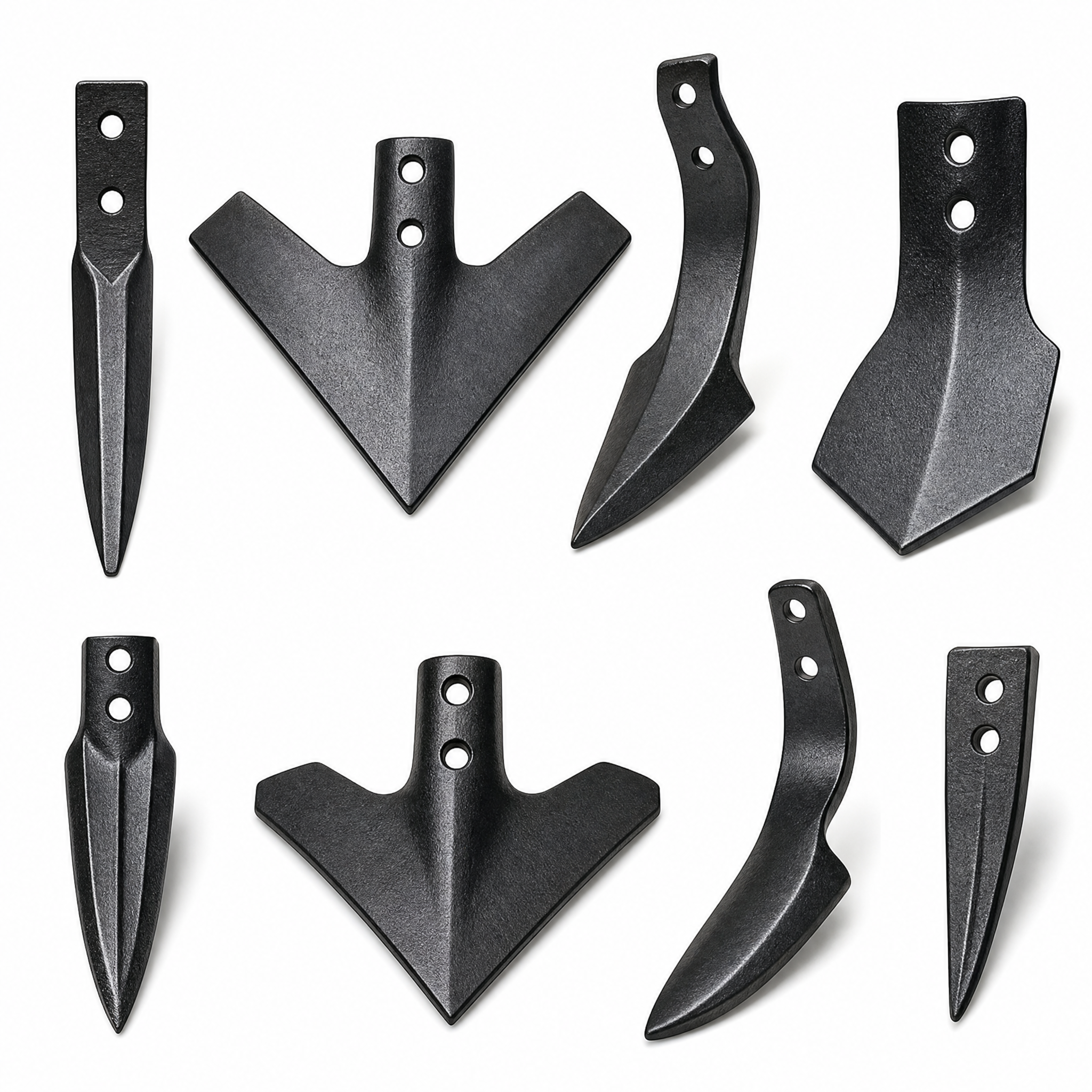
Choosing High-Quality Cultivator Tools for Agriculture

application/cultivator-tools, application/cultivator-tools, 
Inquiry
Inquiry

cultivator tools

When it comes to agricultural operations, cultivator tools play a crucial role in soil preparation and crop management. These tools are essential for tilling the soil, breaking up compacted earth, and promoting a healthy environment for plant growth. For B2B buyers, such as purchasing managers and agricultural engineers, selecting the right cultivator tools involves understanding various factors, including product specifications, material quality, and application suitability. This article will guide you through the key considerations in choosing cultivator tools for bulk purchase, helping you make informed decisions for your agricultural needs.

Cost Factors to Assess When Purchasing Cultivator Tools in Bulk

Cost Factors to Assess When Purchasing Cultivator Tools in Bulk

Cost is a significant factor when purchasing cultivator tools in bulk, and various elements contribute to the overall price. Key cost factors include:

Unit Price: The base price per unit can vary based on the material quality, design, and manufacturer. Assessing multiple suppliers can help you identify competitive pricing.

Bulk Discounts: Many manufacturers offer discounts for bulk purchases. Inquire about pricing tiers based on order quantity to maximize cost savings.

Shipping and Handling Costs: Consider the logistics of transporting the tools to your location. Shipping costs can significantly impact the overall budget, especially for international orders.

Maintenance and Replacement Parts: Factor in the costs associated with maintaining the tools over time. Durable cultivator tools may have a higher upfront cost but result in lower long-term maintenance expenses.

Warranty and Support Services: Evaluate the warranty offered by the manufacturer. A robust warranty can provide peace of mind and reduce costs related to potential repairs or replacements. Additionally, consider how maintenance and support may tie into your decision to invest in Processing Machines.

By understanding these cost factors, you can make informed purchasing decisions that align with your budget while ensuring quality and performance.

Installation Guidance for Optimal Use of Cultivator Tools on-site

Installation Guidance for Optimal Use of Cultivator Tools on-site

Proper installation and setup of cultivator tools are critical to achieving optimal performance and longevity. Here are some key steps for effective installation:

Read Manufacturer Instructions: Always begin by reviewing the manufacturer's installation guidelines. Each tool may have specific requirements that ensure correct operation.

Check Compatibility: Before installation, verify that the cultivator tools are compatible with your existing machinery. This includes checking attachment points and hydraulic connections.

Adjust Settings: Many cultivator tools have adjustable settings for depth and width. Properly calibrate these settings based on your soil type and crop requirements for effective tilling.

Test Run: After installation, conduct a test run on a small section of your field. This allows you to assess the tool's performance and make necessary adjustments before full-scale use.

Regular Maintenance Checks: Regularly inspect the tools for wear and tear. Early detection of issues can prevent costly repairs and extend the lifespan of your equipment.

By adhering to these installation guidelines, you can ensure that your cultivator tools perform efficiently, leading to improved agricultural outcomes.

Applications of Cultivator Tools in Various Agricultural Settings

Applications of Cultivator Tools in Various Agricultural Settings

Cultivator tools are versatile and can be used in a variety of agricultural settings. Here are some common applications:

Soil Preparation: Cultivators are primarily used for soil preparation before planting. They break up compacted soil, ensuring better aeration and moisture retention, which is crucial for seed germination.

Weed Control: These tools can effectively manage weeds by uprooting them from the soil without harming crops. This helps maintain a healthier growing environment and reduces the need for chemical herbicides.

Mixing Organic Material: Incorporating organic matter such as compost or manure into the soil can significantly enhance soil fertility. Cultivators are ideal for mixing these materials thoroughly.

Row Crop Cultivation: For row crops, cultivators help maintain proper spacing and aeration. They can be used after planting to control weed growth and promote healthy root development.

Post-Harvest Soil Management: After harvesting, cultivators can prepare the soil for the next planting season, ensuring that it is adequately aerated and free from remnants of previous crops.

Understanding the various applications of cultivator tools allows buyers to select the right equipment for their specific agricultural practices, enhancing overall productivity.

Material Advantages of High-Quality Cultivator Tools Explained

The material used in cultivator tools directly affects their performance, durability, and maintenance requirements. Here are some advantages of high-quality materials:

Durability: Tools made from high-grade steel or alloys can withstand the harsh conditions of agricultural environments. They resist wear and tear, reducing the frequency of replacements.

Corrosion Resistance: High-quality materials often come with protective coatings that prevent rust and corrosion. This is particularly important for tools exposed to moisture and soil.

Weight and Balance: The right material can contribute to the overall weight and balance of the tool, improving maneuverability and ease of use in the field.

Cost-Effectiveness: While high-quality materials may come with a higher initial price, their durability can lead to lower long-term costs due to reduced maintenance and replacement needs.

Performance: The right material can enhance the tool’s effectiveness. For example, hardened steel blades can provide cleaner cuts and better soil penetration, leading to improved cultivation results.

By investing in cultivator tools made from high-quality materials, buyers can ensure that they are getting tools that will perform reliably over time while minimizing operational disruptions.

What to Consider When Choosing Cultivator Tools for Bulk Purchase

When selecting cultivator tools for bulk purchase, it is essential to evaluate several factors to ensure they meet your operational requirements. Key considerations include:

Type of Cultivator: Different cultivators serve varied purposes, such as rotary tillers, chisel plows, and disc harrows. Understand the specific needs of your crops and soil conditions to determine the appropriate type.

Material Quality: High-quality materials such as hardened steel or alloy composites can enhance durability and performance. It's important to assess whether the tools can withstand the stresses of your operational environment.

Ergonomics and Design: The design of the cultivator tools affects ease of use and operator comfort. Look for user-friendly designs that minimize fatigue and improve efficiency during operation.

Compatibility with Existing Equipment: Ensure that the cultivator tools are compatible with your existing machinery and equipment. This prevents additional costs associated with new machinery or modifications.

Customization Options: Some manufacturers offer customizable features, allowing you to modify tools according to specific requirements, such as size and attachment type. For instance, if you are looking for specific features, you may want to explore options related to Cultivators & Tillers.

By evaluating these factors, you can select cultivator tools that not only enhance productivity but also align with your operational goals.

Frequently Asked Questions

What types of cultivator tools do you offer?

We supply a range of cultivators for tillage and soil preparation including rotary, tine, and strip cultivators, sized for tractors and hand-operated use, tailored to farm scale and crop needs.
Yes. Our cultivator tools are manufactured under CE and ISO 9001 standards to ensure quality, safety, and consistent performance throughout their lifecycle.
Absolutely. We provide tailored designs based on soil type, crop, and tractor power, with options for attachments and adjustments to meet plantation requirements.
We offer lifecycle-based support including installation guidance, spare parts supply, maintenance advice, and remote technical assistance to ensure reliable operation.
Yes. We export to over 40 countries and coordinate logistics and documentation to ensure timely delivery and compliance with local regulations.

Get a Free Quote

Our representative will contact you soon.
0/1000