Choosing the Right Cultivator Machine for Agriculture

application/cultivator-machine, application/cultivator-machine, 
Inquiry
Inquiry

cultivator machine

Cultivator machines are essential tools in modern agriculture, designed to prepare soil for planting by breaking up and aerating it. For B2B buyers, understanding the right cultivator machine to meet specific agricultural needs is crucial. This article will guide purchasing managers, distributors, and agricultural engineers through the process of selecting a cultivator machine, detailing key specifications, common issues, and applications, thereby facilitating informed purchasing decisions.

Key Specifications to Consider When Sourcing Cultivator Machines

Key Specifications to Consider When Sourcing Cultivator Machines

When sourcing cultivator machines, several key specifications should be evaluated:

Working Width: The width of the cultivator determines how much area can be tilled in a single pass. A wider working width is beneficial for larger fields but may be less maneuverable in tighter spaces.

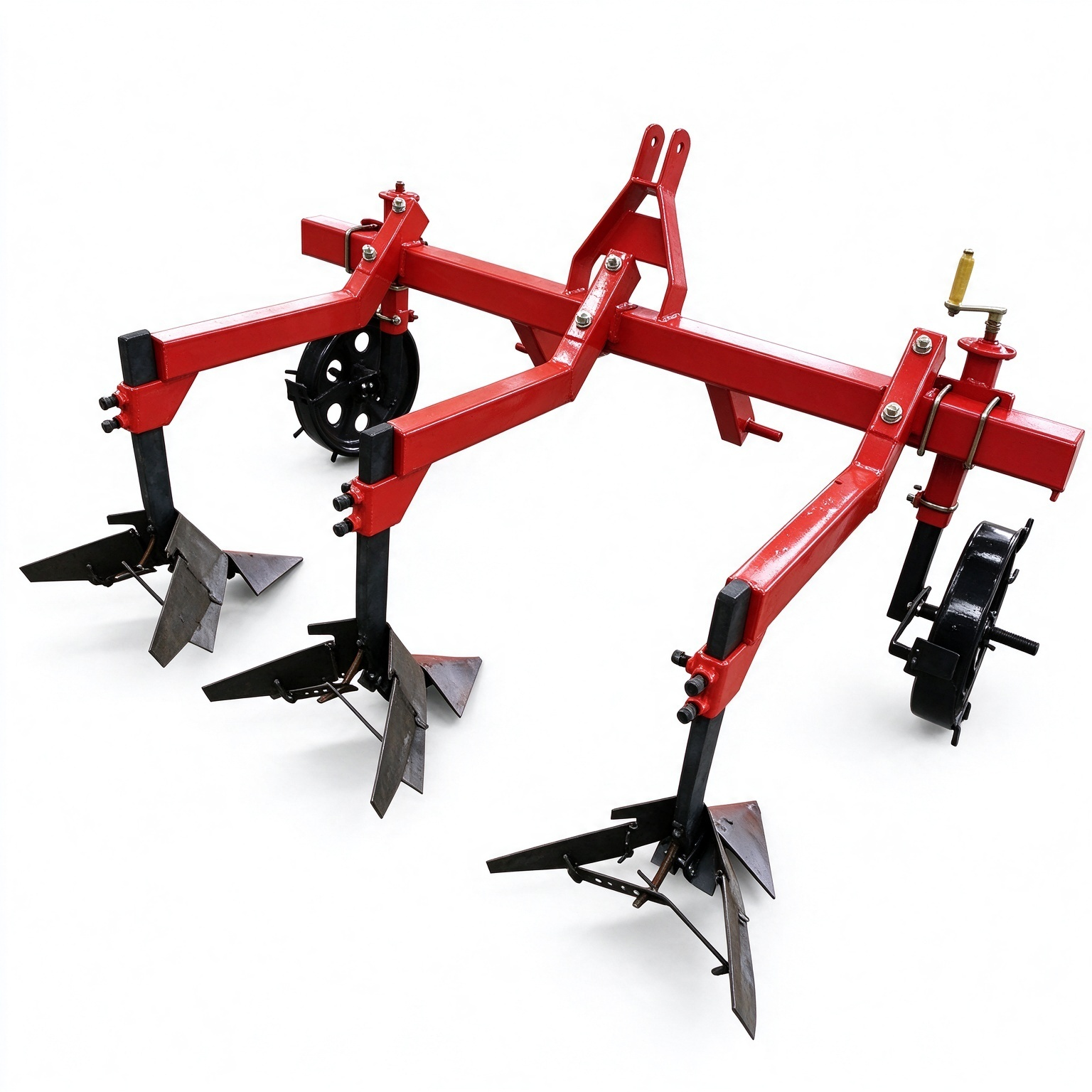
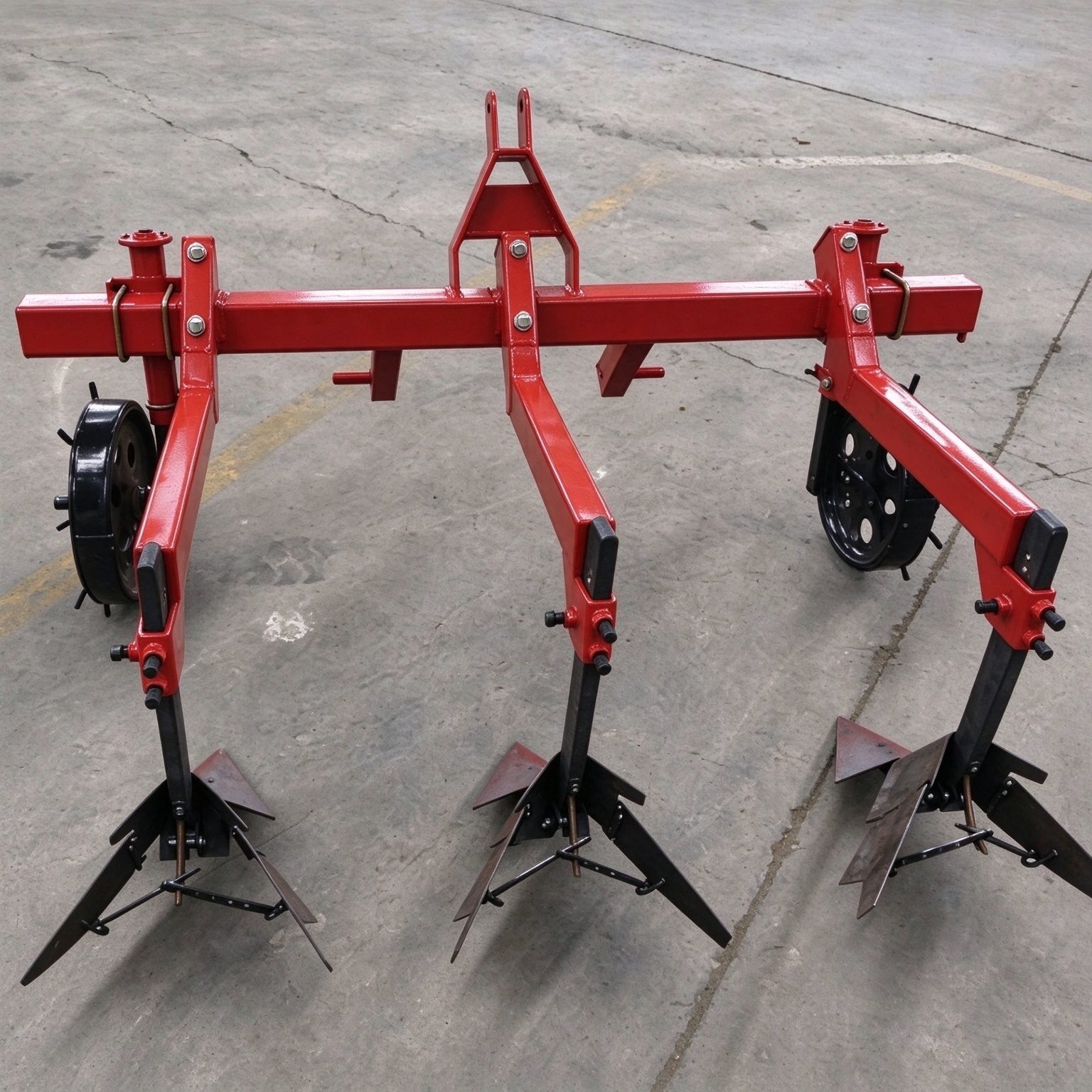
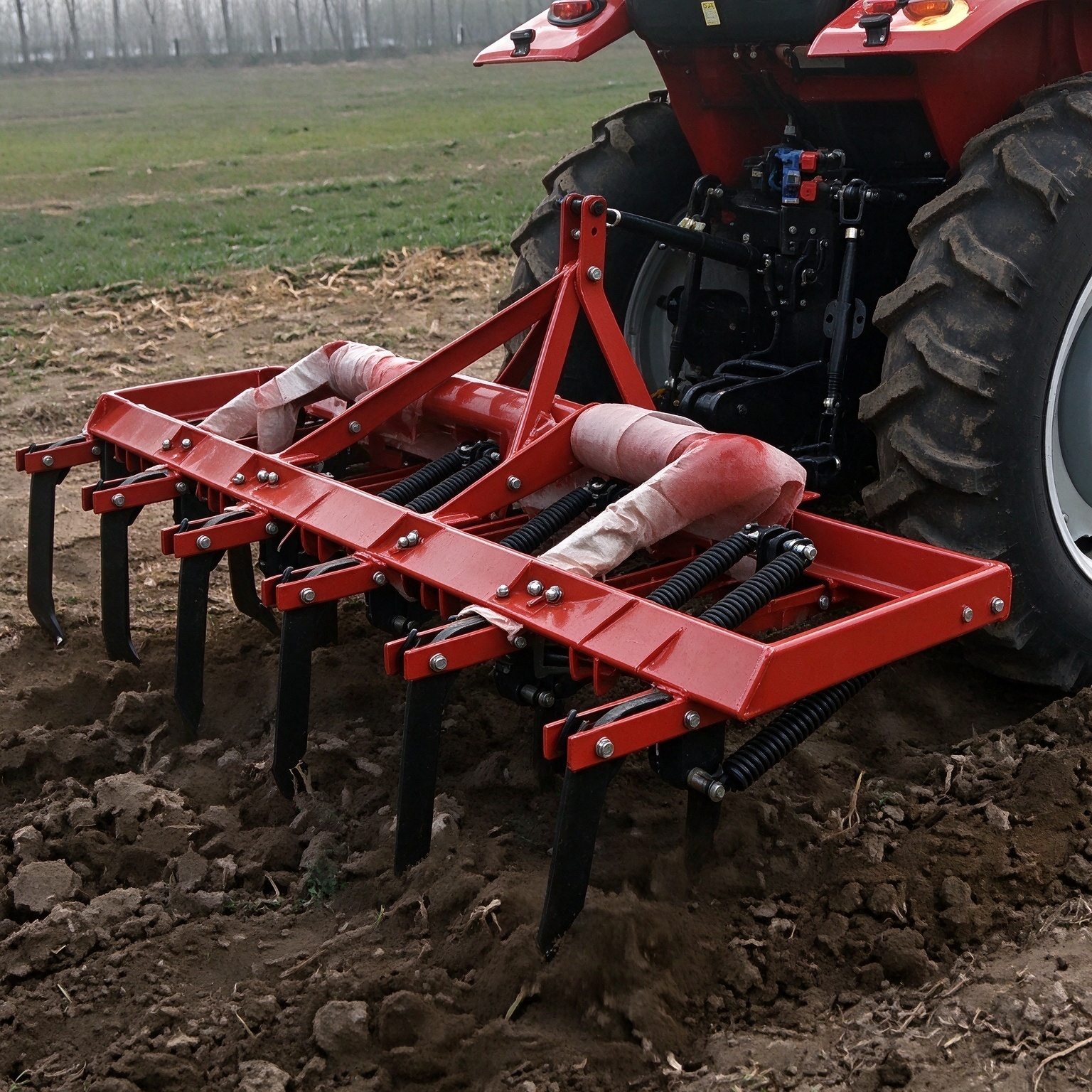
Tine Configuration: Cultivators typically use tines to break up soil. The material and design of the tines can affect performance—heavy-duty tines are suitable for tougher soil, while lighter ones may suffice for softer environments.

Depth Adjustment: Adjustable depth settings allow for customization based on specific soil conditions and crop requirements. Ensuring the cultivator can operate at varying depths is crucial for effective soil aeration and root development.

Build Quality and Materials: Look for cultivators made from durable materials that can withstand harsh agricultural conditions. Corrosion-resistant coatings can extend the lifespan of the machine, reducing long-term costs.

Certification: Ensure the cultivator machine complies with industry standards, such as CE and ISO 9001 certifications, which indicate adherence to quality and safety protocols.

These specifications will help ensure that the cultivator machine you choose meets the demands of your agricultural operations effectively.

What You Need to Know

What You Need to Know

Before purchasing a cultivator machine, it’s vital to gather as much information as possible to make an informed decision. Start by researching different models and manufacturers, focusing on their reputation, manufacturing capabilities, and customer support services.

Requesting product samples can provide insight into the machine’s quality and suitability for your needs. Consider speaking with existing users about their experiences, including performance, reliability, and any maintenance issues they may have encountered.

Additionally, inquire about warranty options and after-sales support, as these can significantly affect your overall satisfaction and the machine's long-term value. Understanding the total cost of ownership, including maintenance and potential downtime, will also aid in making a well-rounded decision. Exploring options for Sprayer & Fertilizer can also be a complementary step in enhancing your agricultural efficiency.

Common Problems with Cultivator Machines and Their Solutions

Common Problems with Cultivator Machines and Their Solutions

Cultivator machines, like any agricultural equipment, can experience issues. Here are some common problems and their solutions:

Poor Soil Penetration: This can occur if the machine is not heavy enough or if the tines are dull or damaged. Regular maintenance and timely replacement of tines can help mitigate this issue. Ensure that the machine's weight is appropriate for the soil type and moisture content.

Clogging: In wet or heavy soil, cultivators may clog. To address this, consider machines designed with features to minimize clogging, such as wider tines or improved discharge mechanisms.

Inconsistent Tilling Depth: This could result from improper adjustments or worn-out components. Regularly check and calibrate the depth settings before use, ensuring the machine operates effectively across various soil types.

Mechanical Failures: Routine inspections can help identify wear and tear before they lead to significant breakdowns. Establish a maintenance schedule that includes checking belts, bearings, and hydraulic systems.

By proactively addressing these common problems, you can ensure reliable performance from your cultivator machine.

Applications of Cultivator Machines in Modern Agriculture

Cultivator machines play a vital role in various agricultural applications. They are primarily used for:

Soil Preparation: Cultivators break up compacted soil, allowing for better seed-to-soil contact and improved aeration, which is essential for healthy crop growth.

Weed Control: Many cultivators are designed to uproot weeds, minimizing competition for nutrients and water among crops.

Incorporation of Organic Matter: Cultivators can be used to mix in fertilizers or organic matter, enhancing soil fertility and structure.

Seedbed Preparation: By finely tilling the soil, cultivators prepare an ideal seedbed that promotes germination and seedling establishment.

In modern agriculture, where efficiency and productivity are paramount, the use of cultivator machines can significantly enhance the effectiveness of farming operations, ultimately leading to higher yields and better resource management.

By understanding these aspects of cultivator machines, B2B buyers can make informed decisions that align with their operational needs and agricultural goals. Engaging with a reputable manufacturer like Agripros can further ensure that you receive quality machinery tailored to your specific requirements.

How to Choose the Right Cultivator Machine for Your Needs

Selecting the right cultivator machine involves assessing various factors tailored to your agricultural practices. Start by identifying the specific tasks you need the machine to perform, such as soil preparation, weed control, or seedbed preparation.

Next, consider the size of your operation. Larger farms may require robust, high-capacity machines that can cover more ground quickly, while smaller farms might benefit from compact models that are easier to maneuver. It's also essential to evaluate the type of soil conditions you typically work with. Some cultivators are designed for heavy clay soils, while others are more suited to sandy or loamy conditions.

Finally, think about the power source—diesel, electric, or manual—and how that aligns with your operational preferences and environmental considerations. Understanding these needs will help you narrow down your options effectively. Additionally, exploring various options such as Cultivators & Tillers can provide more insights on suitable machines.

Get a Free Quote

Our representative will contact you soon.
0/1000