Choosing the Right Ground Cultivator for Your Needs

application/ground-cultivator, application/ground-cultivator, 
Inquiry
Inquiry

ground cultivator

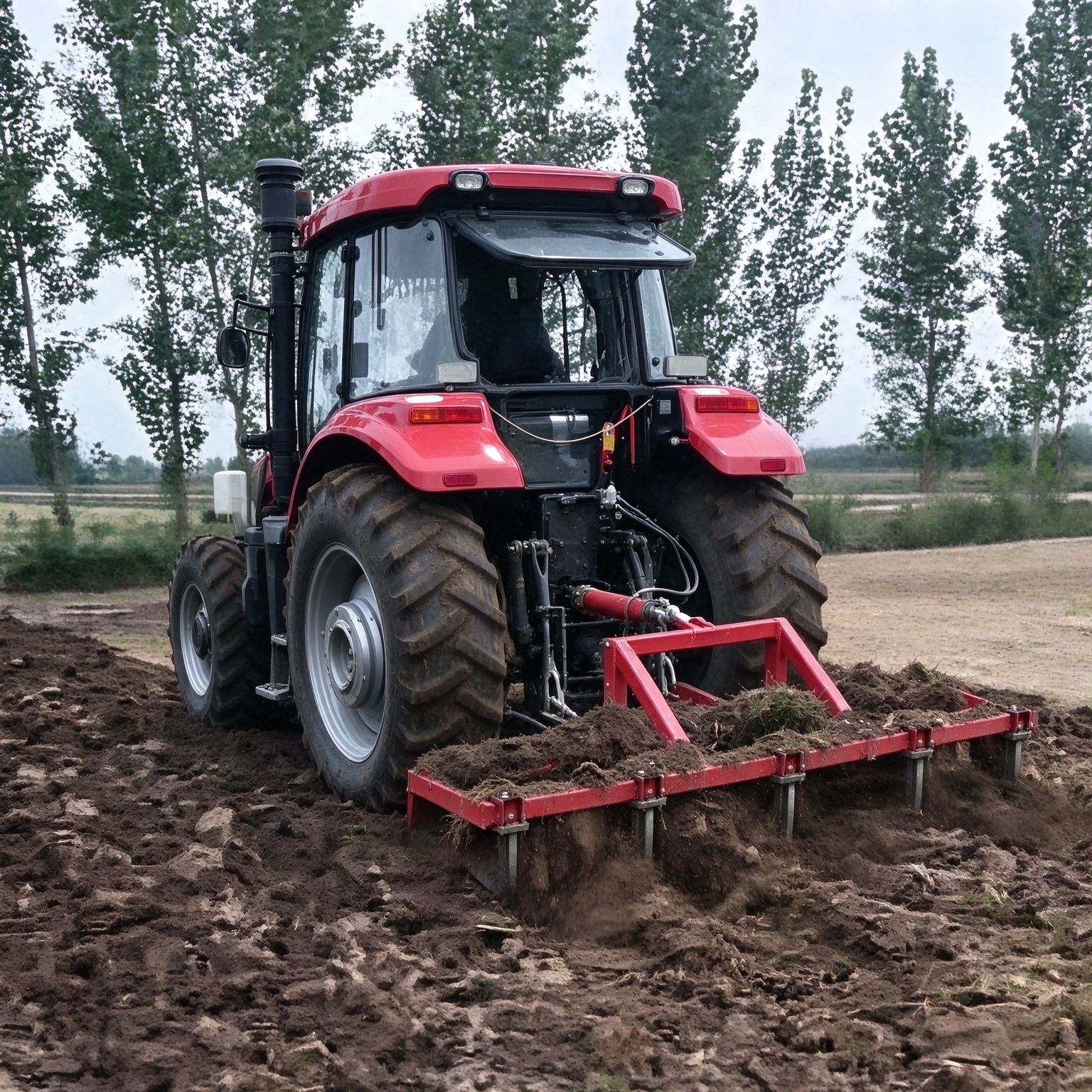
A ground cultivator is an essential piece of agricultural machinery designed to prepare soil for planting by breaking up compacted earth and mixing in nutrients. For B2B buyers, such as purchasing managers and agricultural engineers, selecting the right ground cultivator is crucial for ensuring effective tillage, which impacts crop yield and soil health. This article will guide you through important considerations when choosing a ground cultivator, including key features, cost factors, and practical tips for making an informed purchase. Additionally, exploring options like Cultivators & Tillers can provide more insights into the machinery that best suits your needs.

What to Look For

What to Look For

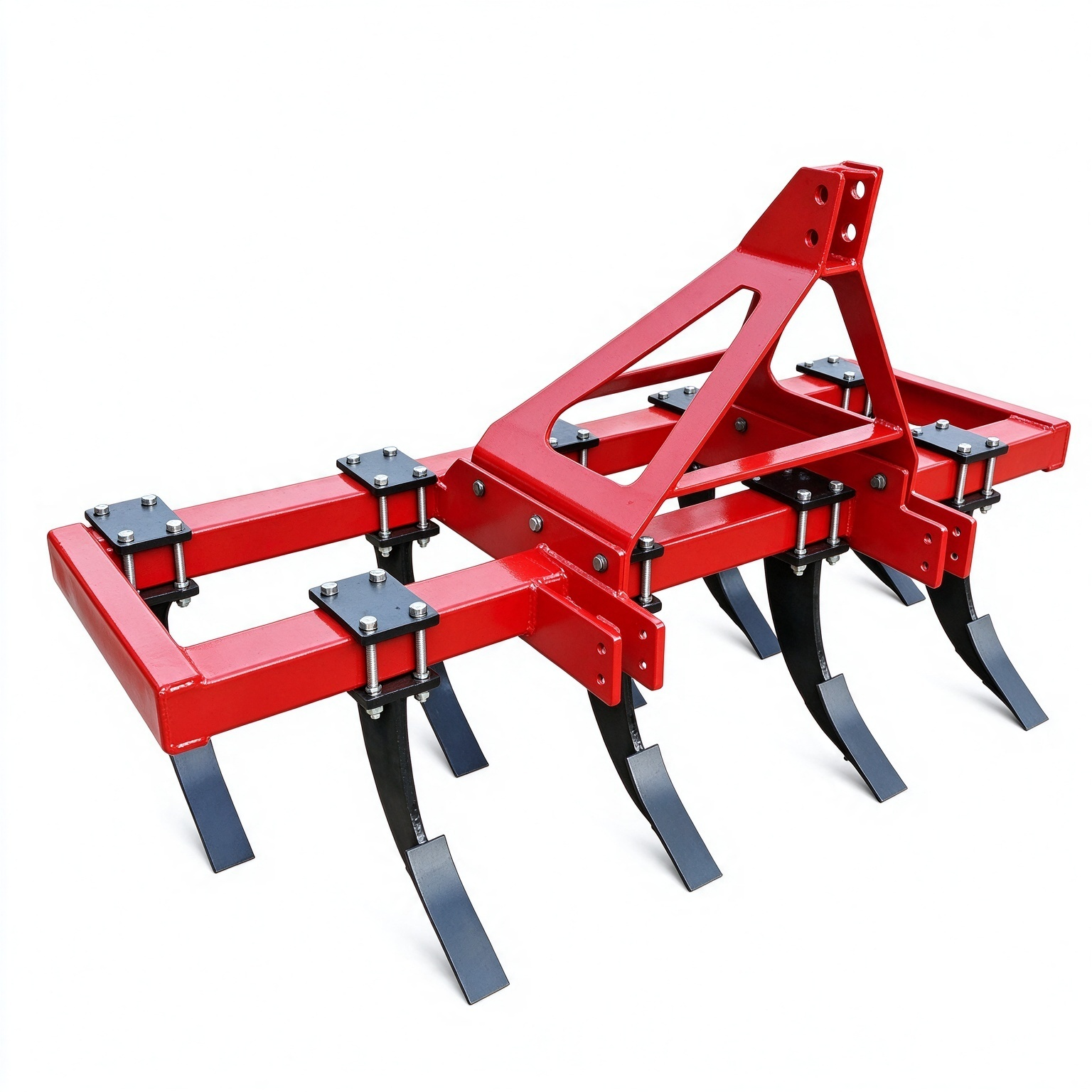
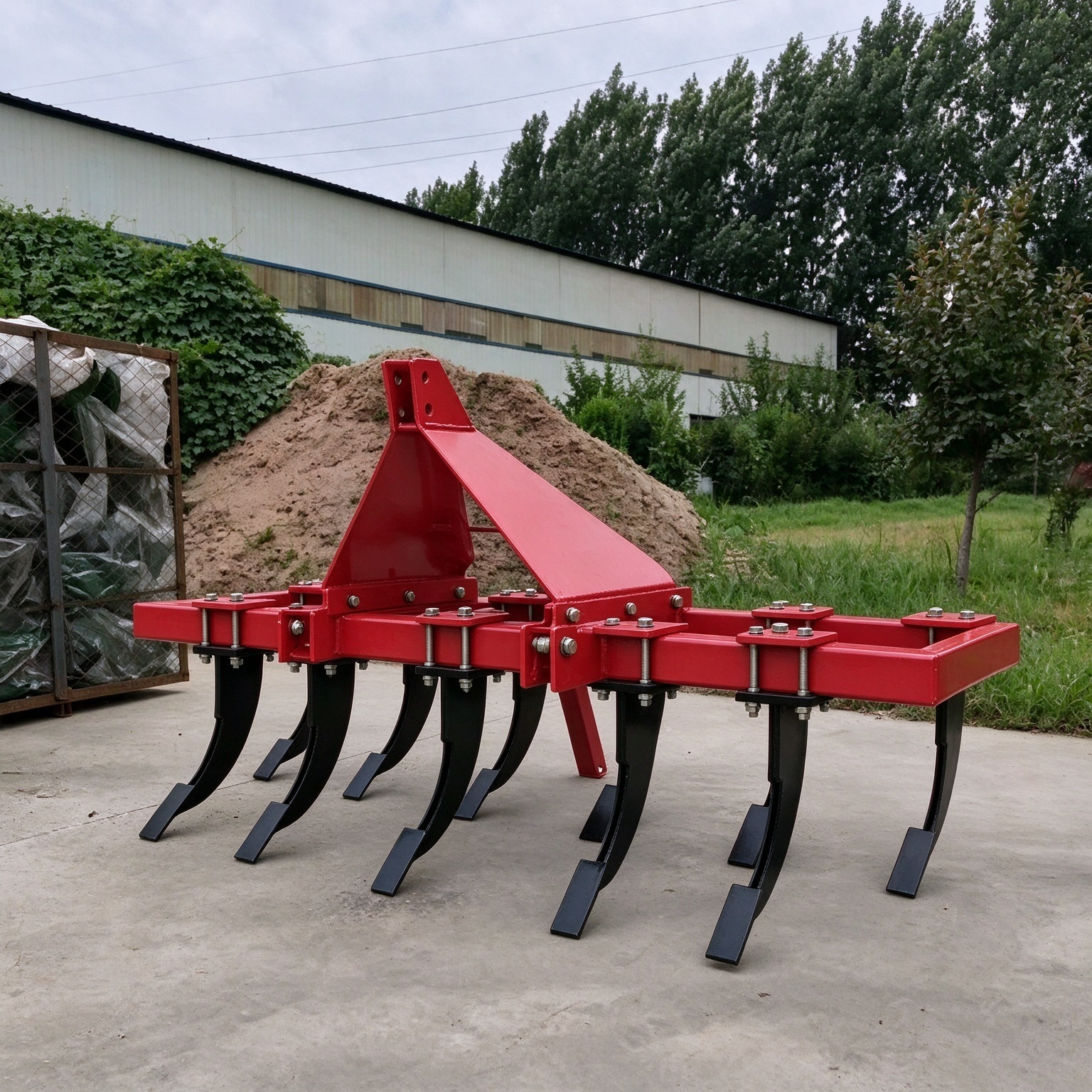
When evaluating ground cultivators, key specifications to consider include the type of tines or blades, the width of the working area, and the overall construction quality. Tines can be made from various materials, including hardened steel or carbon steel, with some designed for specific soil types. Ensure that the chosen material offers durability and strength for your application.

The working width of the cultivator affects how much ground can be covered in a single pass. A wider cultivator can increase efficiency but may require more powerful machinery to operate effectively. Additionally, look for features that enhance usability, such as adjustable depth settings, which allow for customized tillage depending on the crop and soil condition.

Quality control processes during manufacturing are also vital. Ensure that the cultivator has undergone rigorous testing to meet industry standards, as this can significantly affect its performance and longevity.

Cost Factors to Consider When Purchasing Ground Cultivators

Cost Factors to Consider When Purchasing Ground Cultivators

The cost of a ground cultivator can vary widely based on several factors, including size, material quality, and additional features. Generally, more robust cultivators with advanced features will command higher prices, but they may also offer better performance and durability.

When budgeting for a ground cultivator, consider not just the purchase price but also the total cost of ownership. This includes maintenance, potential repairs, and the lifespan of the equipment. For instance, investing in a cultivator made from high-quality materials may lead to lower maintenance costs over time as it withstands wear and tear better than cheaper alternatives.

Also, factor in the cost of any necessary attachments or accessories, such as additional tines or depth adjustment tools, which may not be included in the base price. Understanding these cost elements will help you make a more informed purchasing decision.

Step-by-Step Tips

Step-by-Step Tips

Assess Your Needs: Identify the specific requirements based on the size of your farm, soil type, and crop needs.

Research Options: Compare different models and manufacturers, focusing on specifications, features, and reviews from other users.

Request Samples or Demonstrations: Before committing, ask for a demonstration or sample unit to evaluate performance in real-world conditions.

Verify Manufacturer Credentials: Ensure the manufacturer, like Agripros, has the necessary certifications (e.g., CE/ISO 9001) and a reputation for quality.

Check Warranty and Support: Understand the warranty terms and post-purchase support offered by the manufacturer, which can be crucial for maintenance and repairs.

Finalize Your Order: Once satisfied, prepare a detailed RFQ that includes specifications like model, size, and any customizations required.

Key Features for Wholesale Buyers

For wholesale buyers, several key features can enhance the value and effectiveness of ground cultivators:

Customization Capabilities: Some manufacturers, such as Agripros, offer customization options to tailor the cultivator to specific agricultural requirements, such as different tine configurations or widths.

Production Capacity: Understanding the manufacturer's production capacity can help in planning orders, especially during peak seasons. This ensures timely delivery and availability.

Quality Control Processes: A robust quality control system ensures that each cultivator meets the industry standards and performs reliably. Ask about the manufacturing processes and any certifications that validate these practices.

Packaging Methods: Efficient packaging methods can reduce shipping costs and protect equipment during transit. Ensure the manufacturer has reliable packaging solutions that maintain product integrity.

Minimum Order Quantity (MOQ): Be aware of the MOQ requirements for wholesale orders, as this can affect your purchasing strategy.

By focusing on these features, wholesale buyers can ensure they are making a sound investment in ground cultivators that will meet their operational needs effectively. Additionally, considering options like Processing Machines can further enhance your agricultural efficiency.

How to Choose the Right Ground Cultivator for Your Needs

Choosing the right ground cultivator involves evaluating several factors to ensure it meets your specific agricultural needs. Begin by considering the size of your operation. Larger farms may benefit from heavy-duty cultivators capable of handling extensive tillage tasks, while smaller operations might opt for compact models that are easier to maneuver.

Next, assess the type of soil you will be working with. Hard or rocky soils may require cultivators with stronger tines or blades for effective penetration. Additionally, consider the depth of tillage required for your crops. Different cultivators are designed for varying depths, and selecting one that matches your needs will enhance soil preparation and crop growth.

Finally, think about the cultivator's compatibility with existing machinery. If you already own tractors or other equipment, ensure that the ground cultivator can easily connect and operate with them. This compatibility will streamline your operations and reduce the need for additional investments.

Frequently Asked Questions

What is the ground cultivator used for?

The ground cultivator prepares seedbeds, breaks up soil clumps, uproots weeds, and mixes residues to improve soil aeration and seed-to-soil contact.
It typically mounts to tractors of specified horsepower. Check model specs for required PTO power and recommended tractor class.
Agripros supplies CE and ISO 9001 certified equipment, with manufacturing and quality controls aligned to those standards.
Yes. Agripros provides lifecycle support, spare parts, and technical assistance for installation, operation, and maintenance.
Yes. We offer tailored configurations—tine types, spacing, and working widths—to match soil conditions, crop types, and farm requirements.

Get a Free Quote

Our representative will contact you soon.
0/1000