Key Specifications of Rotary Cultivators for Buyers

application/rotary-cultivator, application/rotary-cultivator, 
Inquiry
Inquiry

rotary cultivator

Rotary cultivators are essential agricultural machinery used for soil preparation, ensuring optimal conditions for planting and crop growth. As a B2B buyer in the agricultural sector, you may have specific concerns regarding specifications, costs, applications, and features of rotary cultivators. This article aims to provide a comprehensive understanding of rotary cultivators, helping you make informed purchasing decisions that align with your operational needs.

Cost Factors to Consider When Buying Rotary Cultivators Wholesale

Cost Factors to Consider When Buying Rotary Cultivators Wholesale

The cost of rotary cultivators can vary significantly based on several factors. Here are key elements that influence pricing:

Quality of Materials: Higher-quality materials typically result in a higher purchase price. Investing in durable components may reduce long-term maintenance costs and enhance performance.

Customization Options: Custom-built cultivators tailored to specific agricultural needs may incur additional costs. However, these can provide better efficiency and effectiveness in the long run.

Brand Reputation: Established brands with a history of reliability often command higher prices. Nonetheless, they may offer better customer support and warranty options.

Production Volume: Wholesale buyers can often negotiate lower prices when purchasing in larger quantities. Understanding the Minimum Order Quantity (MOQ) for discounts is essential.

Shipping and Logistics: Consider the costs associated with shipping and handling, especially for international orders. Working with suppliers that have efficient logistics can mitigate additional expenses.

By understanding these cost factors, you can better assess your budget and negotiate favorable terms with suppliers. Additionally, exploring options like the Diesel Multicrop Grain Thresher with Double Fan for Farms can also add value to your operations.

A Step-by-Step Approach

A Step-by-Step Approach

When purchasing rotary cultivators, a systematic approach can streamline the decision-making process:

Define Your Requirements: Assess your agricultural needs, including the type of crops, soil conditions, and field sizes. This will guide you in selecting the right specifications.

Research Suppliers: Look for reputable manufacturers with experience in agricultural machinery. Verify their certifications, such as CE/ISO 9001, which indicate adherence to quality standards.

Request Quotations: Prepare a detailed Request for Quotation (RFQ) that includes specifications, desired quantities, and any customization requirements. This will help suppliers provide tailored responses.

Review Samples: If possible, obtain samples or visit supplier facilities to inspect the machinery firsthand. This allows you to verify quality and suitability before placing a larger order.

Negotiate Terms: Discuss pricing, payment terms, lead times, and after-sales support with suppliers. Clear communication at this stage can prevent misunderstandings later on.

Finalize the Order: Once you are satisfied with the terms, confirm your order in writing, ensuring all specifications and agreements are documented.

Following this step-by-step approach can enhance your purchasing experience and help you secure the right rotary cultivators for your operations.

Applications of Rotary Cultivators in Different Agricultural Settings

Applications of Rotary Cultivators in Different Agricultural Settings

Rotary cultivators serve a wide range of applications across various agricultural settings:

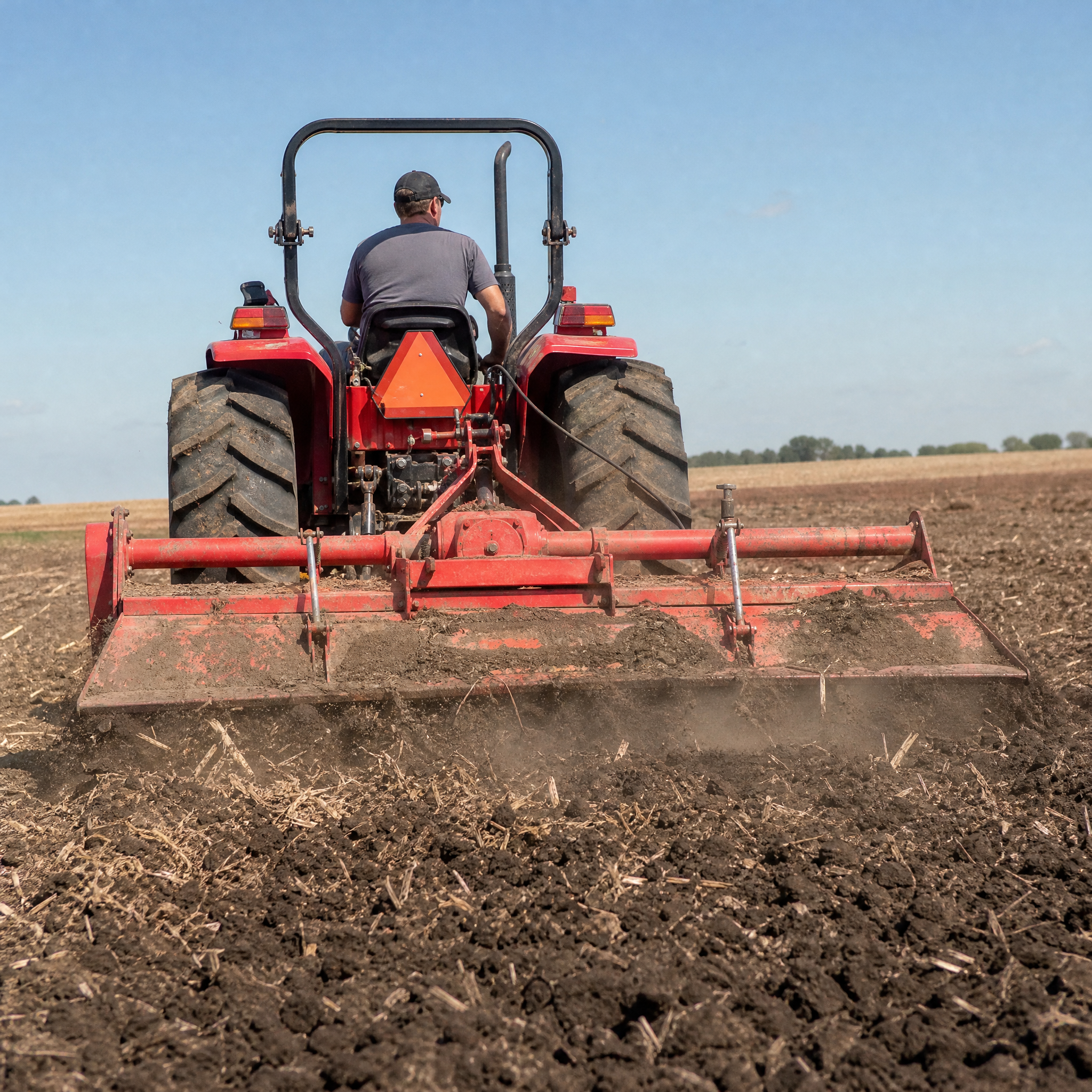
Seedbed Preparation: They are primarily used for preparing seedbeds by loosening the soil, which promotes better seed-to-soil contact and enhances germination rates.

Weed Control: Rotary cultivators can effectively disrupt weed growth by aerating and turning over the soil, reducing competition for crops.

Soil Mixing: In addition to tilling, they mix organic matter into the soil, improving its structure and nutrient content, which is essential for healthy crop development.

Field Renovation: Farmers often use rotary cultivators to rejuvenate neglected fields by breaking up compacted soil and incorporating nutrients.

Cover Crop Termination: They can assist in terminating cover crops before planting cash crops, ensuring a clean slate for new growth.

Understanding these applications can help you determine how rotary cultivators fit into your agricultural practices, ensuring optimal productivity.

Features and Benefits for Buyers

Investing in rotary cultivators offers several features and benefits that can enhance agricultural efficiency:

Versatility: Rotary cultivators can be used in various soil types and for different crops, making them a versatile addition to your agricultural equipment.

Efficiency: With adjustable working widths and depths, rotary cultivators can improve operational efficiency, reducing the time needed for soil preparation.

User-Friendly Design: Many modern rotary cultivators come equipped with intuitive controls and features, making them easier to operate, even for less experienced users.

Cost Savings: While the initial investment may be higher, the durability and reduced maintenance needs of quality rotary cultivators can lead to long-term cost savings.

Enhanced Soil Health: By aerating and mixing the soil, rotary cultivators promote better drainage and nutrient management, contributing to healthier crops.

Incorporating these features into your operations can lead to improved crop yields and overall farm productivity. Additionally, consider complementary equipment like the Grain Crusher 3 kW Electric Mill for Poultry Feed Milling to further optimize your farming efficiency.

By understanding the specifications, cost factors, applications, and benefits of rotary cultivators, B2B buyers can make informed decisions that align with their agricultural goals. As a trusted supplier, Agripros provides a range of high-quality rotary cultivators tailored to meet the diverse needs of farms and plantations worldwide.

Key Specifications of Rotary Cultivators for Wholesale Buyers

When evaluating rotary cultivators, several specifications should be considered to ensure their effectiveness in various soil types and agricultural conditions. Key specifications include:

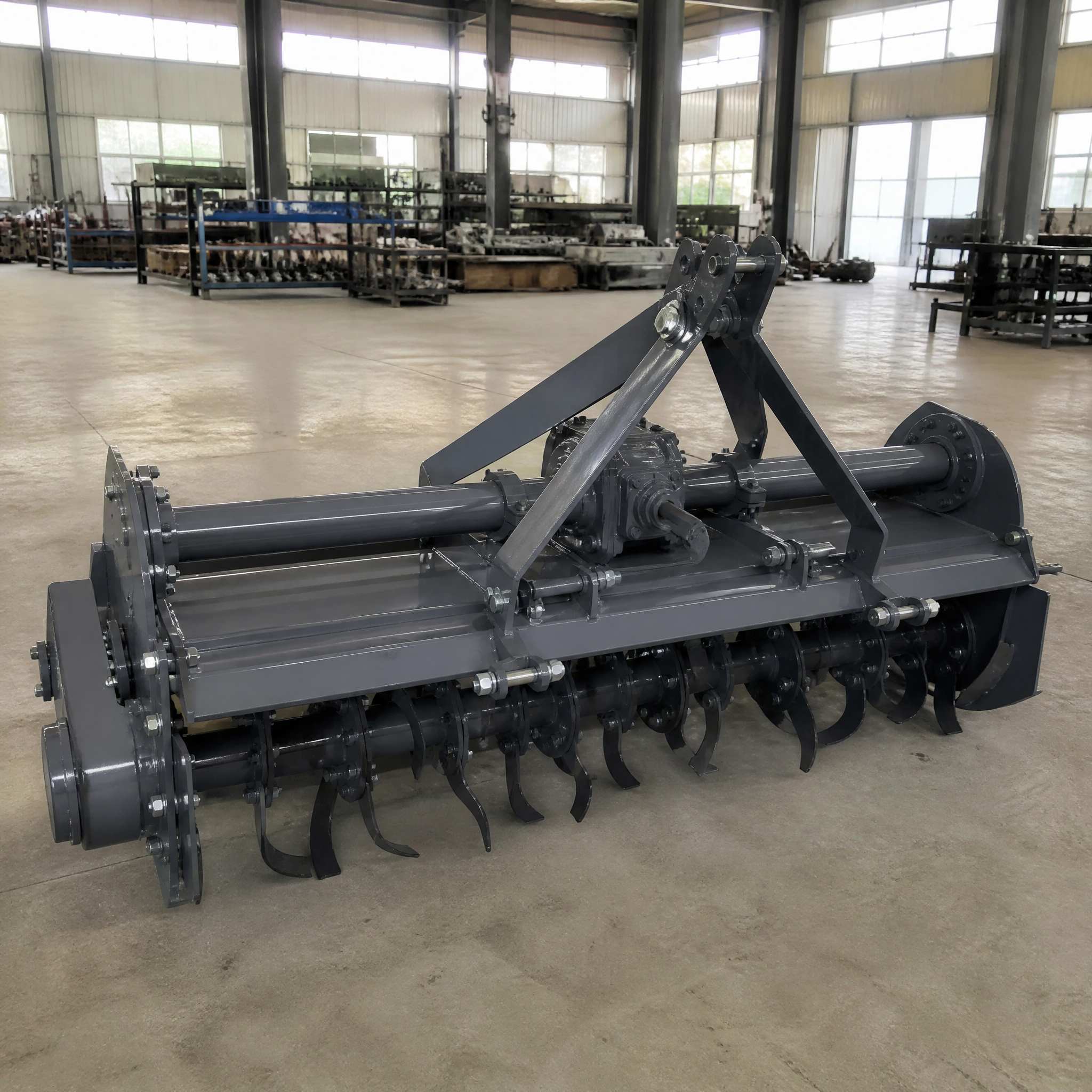
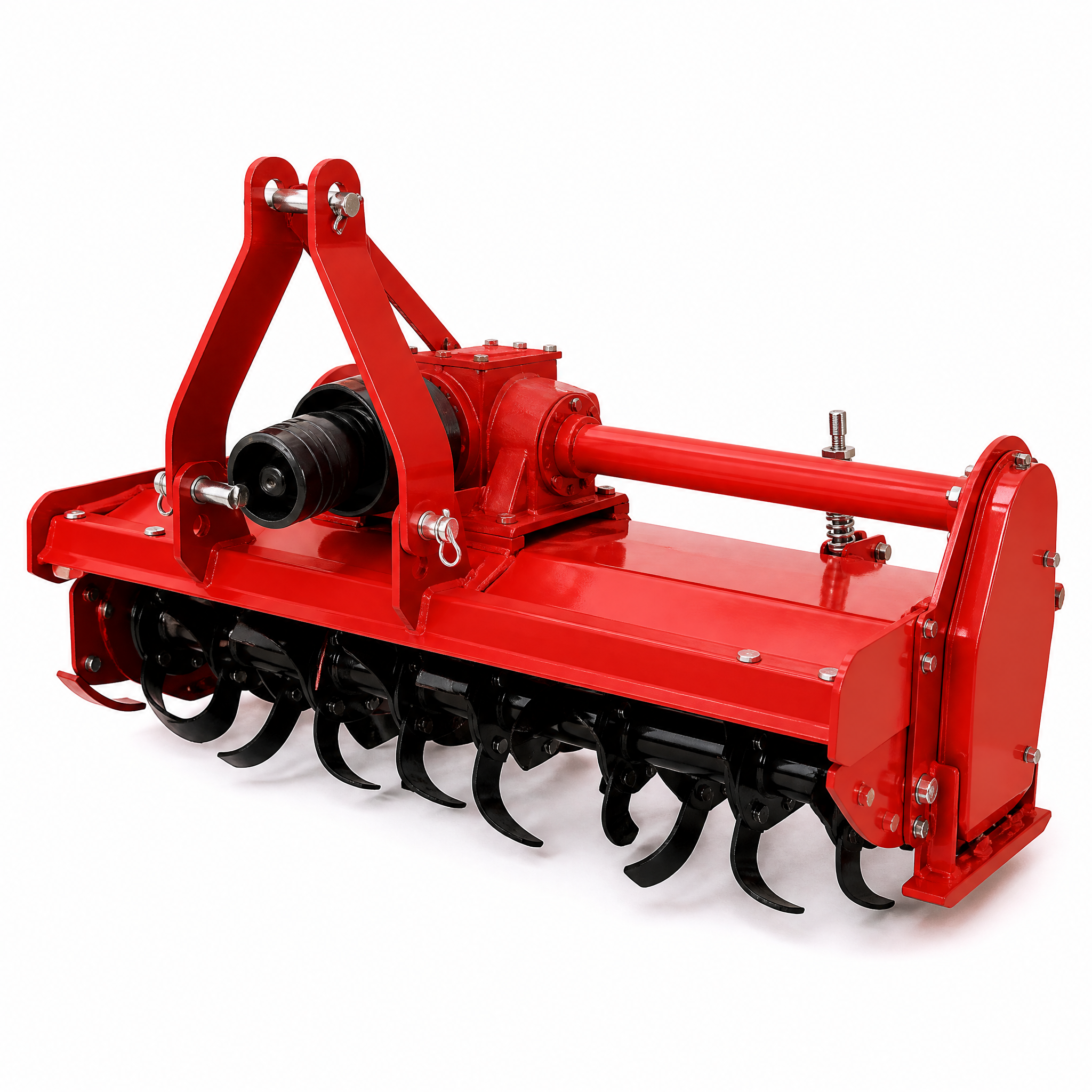
Working Width: This refers to the width of the area that the cultivator can cover in a single pass. A wider working width can improve efficiency but may not be suitable for smaller fields or tight spaces.

Tine Configuration: The arrangement and number of tines affect soil penetration and mixing. Different configurations, such as straight or curved tines, cater to specific soil types and cultivation depths.

Power Requirements: The horsepower needed to operate the rotary cultivator is crucial. It should match the specifications of the tractor or power source you plan to use, ensuring optimal performance without overloading the engine.

Depth Adjustment: The ability to adjust the depth of cultivation is vital for different crops and soil conditions. Buyers should look for cultivators with easy-to-use depth control mechanisms.

Durability and Material: The construction material of the cultivator impacts its longevity and performance. High-quality steel and corrosion-resistant coatings enhance durability, especially in challenging agricultural environments. For example, consider the 8-25HP Diesel Walk Behind Tractor Water-Cooled Hand Start Farm Tractor for its robust build.

Understanding these specifications will help you choose a rotary cultivator that meets your agricultural needs and ensures efficient soil preparation.

Frequently Asked Questions

What is the rotary cultivator used for?

The rotary cultivator is used for soil tillage, seedbed preparation, weed control, and mixing crop residues to improve soil structure and promote uniform germination.
It suits small to large farms and plantations; models scale from compact units for small plots to wider, tractor-mounted versions for larger acreage.
Our rotary cultivators are produced under CE and ISO 9001 management systems, ensuring manufacturing quality, safety, and consistent performance.
Yes. We offer tailored configurations—tine type, working width, speed ratios, and mounting options—to match crop types, soil conditions, and operational needs.
Agripros provides lifecycle-based support, spare parts supply, and technical assistance to customers across our service regions to ensure reliable operation and maintenance.

Get a Free Quote

Our representative will contact you soon.
0/1000