Choosing the Right Soil Cultivator for Your Needs

application/soil-cultivator, application/soil-cultivator, 
Inquiry
Inquiry

soil cultivator

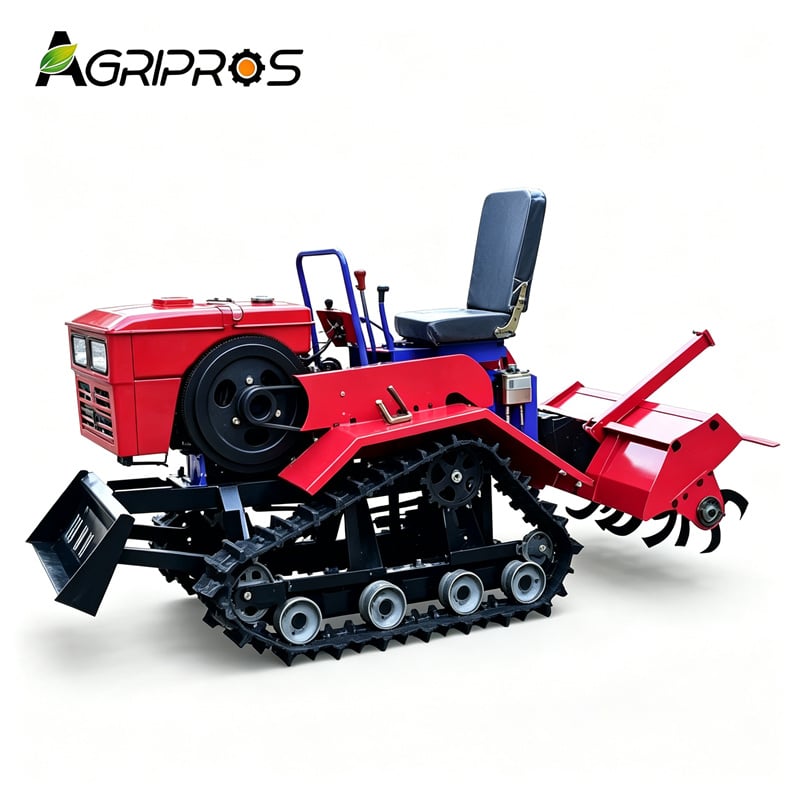
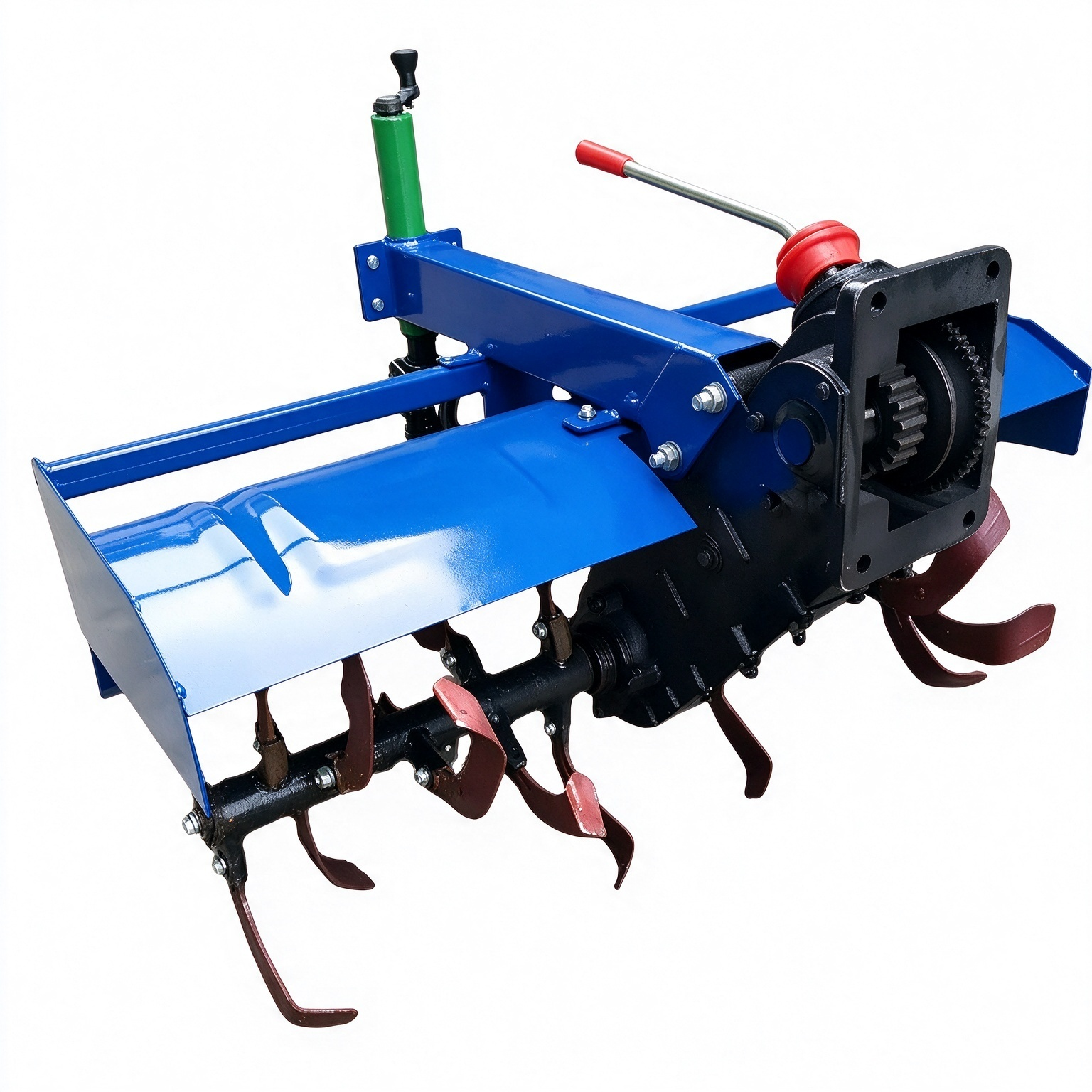
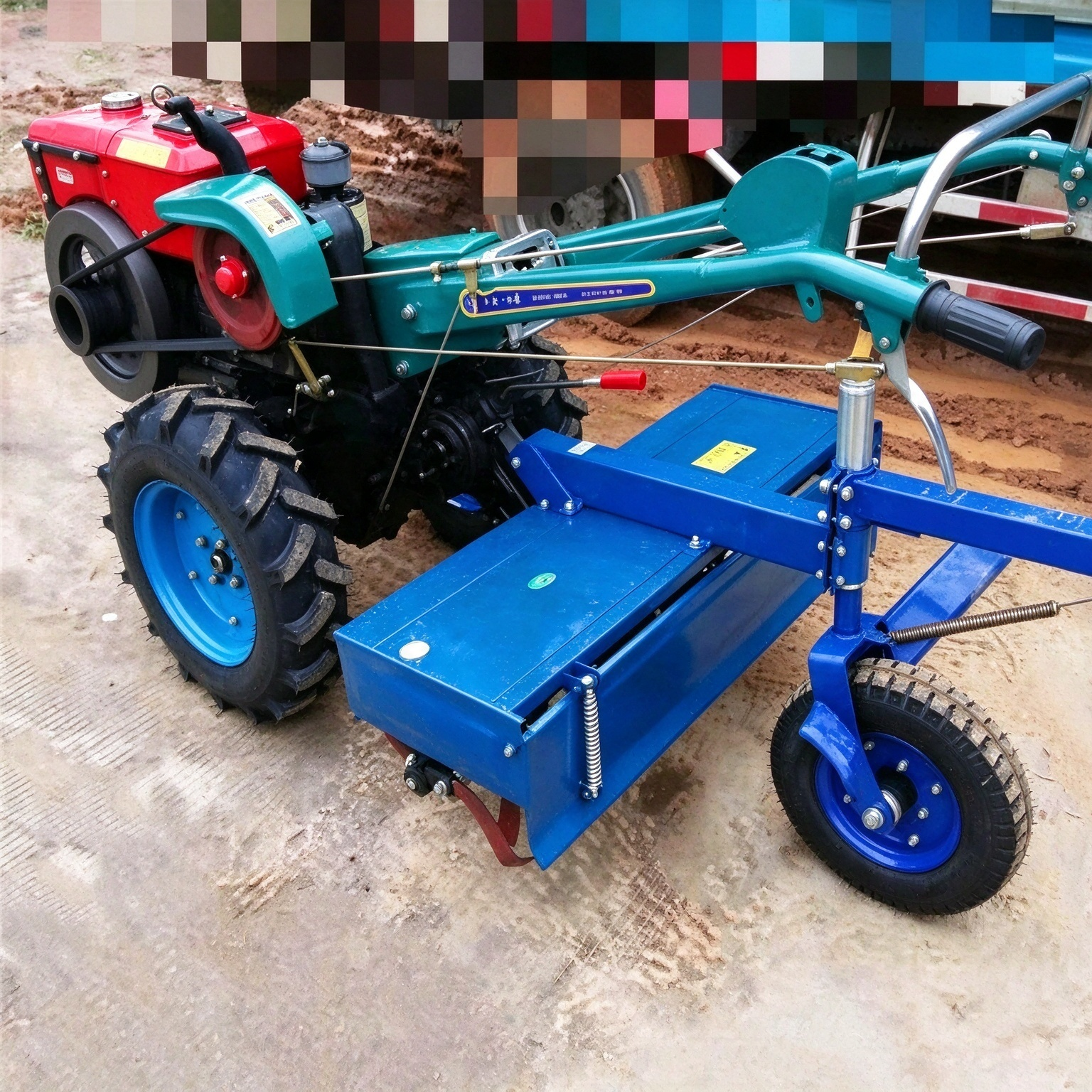
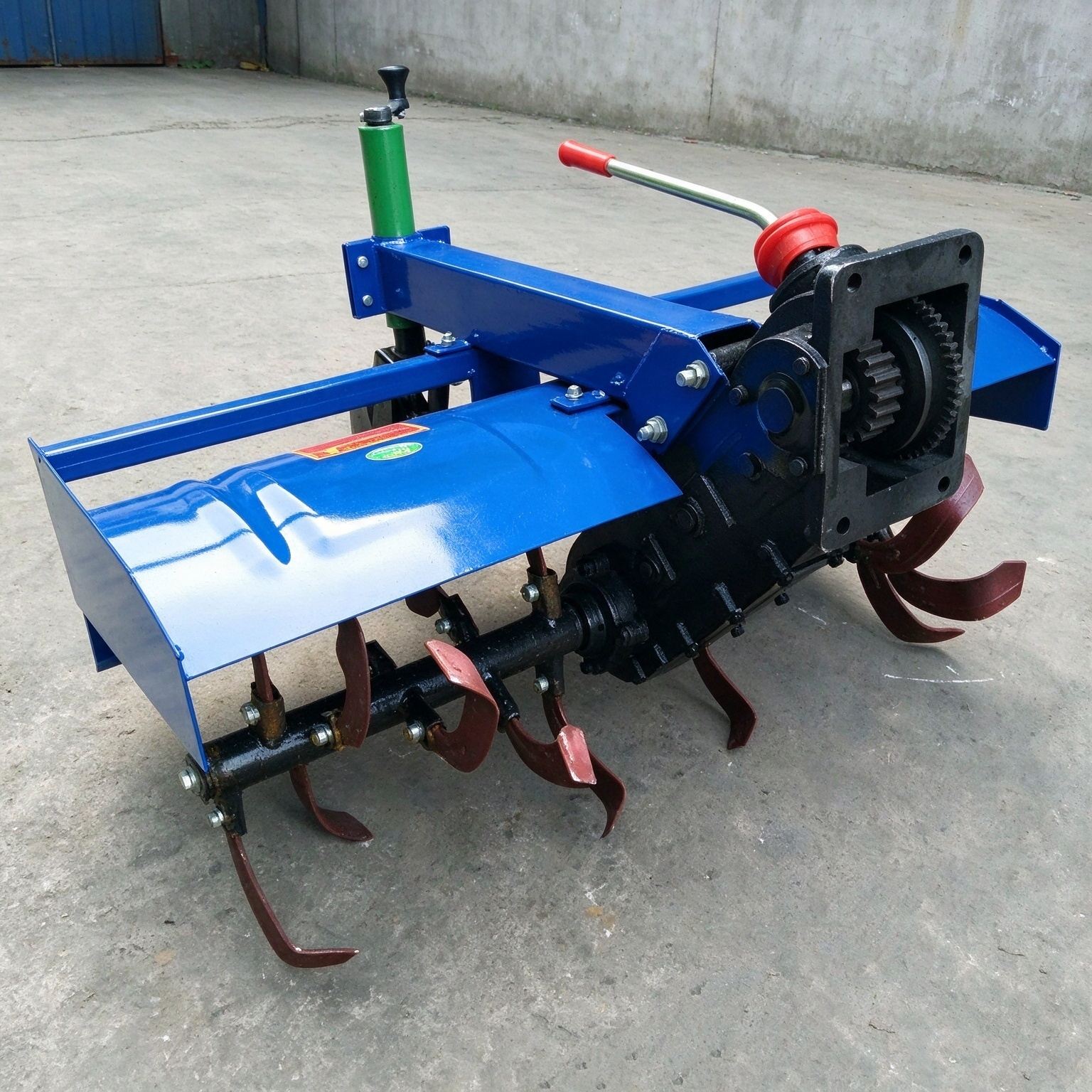
Soil cultivators are essential tools in modern agriculture, designed to prepare the soil for planting by aerating, mixing, and breaking up compacted earth. For B2B buyers, such as purchasing managers and agricultural engineers, selecting the right soil cultivator is crucial for maximizing crop yield and efficiency. This article will delve into the key considerations for choosing a soil cultivator, sourcing reliable suppliers, understanding cost factors, troubleshooting common issues, and examining the advantages of different materials in soil cultivator design.

Sourcing Reliable Suppliers

Sourcing Reliable Suppliers

Finding trustworthy suppliers for soil cultivators is vital to ensure quality and reliability. Here are steps to effectively source suppliers:

Industry Research: Start by researching manufacturers with a strong reputation in agricultural machinery. Look for companies that have experience in your specific market and a portfolio of successful projects.

Certifications and Compliance: Verify that potential suppliers hold relevant certifications, such as CE and ISO 9001. These certifications indicate adherence to international quality standards, which is crucial for product reliability.

Customer Reviews and Testimonials: Seek out reviews or case studies from other businesses that have purchased from the suppliers you are considering. Positive feedback can provide insight into the supplier's reliability and customer service.

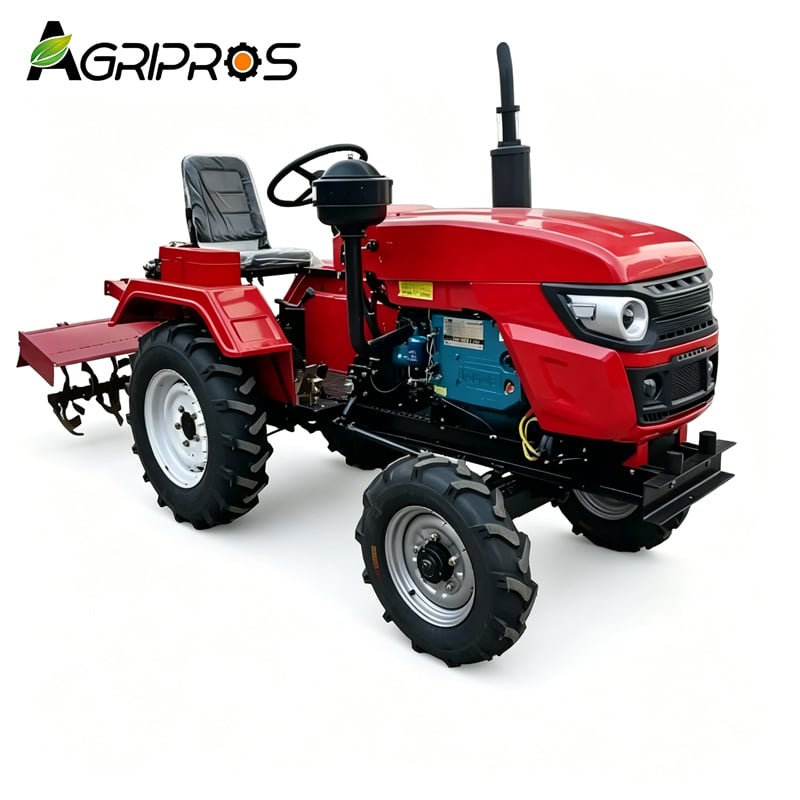
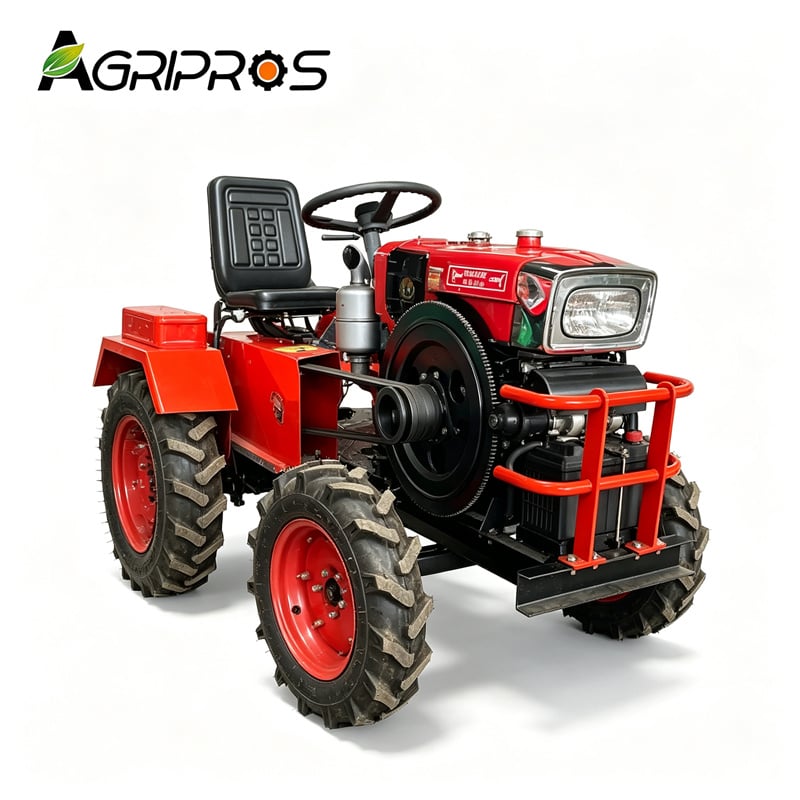
Sample Requests: Before committing to a bulk order, request samples to evaluate the quality and performance of the soil cultivators. Testing a sample can help you ensure it meets your specifications and operational needs. Additionally, consider options like Tractors that can complement your cultivation efforts.

By following these steps, you can mitigate risks and build strong relationships with reliable suppliers.

Cost Factors for Bulk Orders of Soil Cultivators

Cost Factors for Bulk Orders of Soil Cultivators

When budgeting for bulk orders of soil cultivators, several cost factors must be taken into account:

Unit Price: The initial cost per unit often decreases with larger orders, but it's essential to negotiate terms that reflect the scale of your purchase.

Shipping and Handling: Include transportation costs in your budget, as these can significantly impact the total expense. Consider the shipping method and distance, as expedited shipping may incur higher fees.

Customization Costs: If your operations require customized features, be prepared for potential additional costs. Discuss your specifications with the supplier early in the process to get a clear understanding of any customization fees.

Maintenance and Support: Factor in the long-term costs of maintenance and the availability of spare parts. A slightly higher initial investment in a durable model may save you money on repairs and replacements in the future.

By understanding these cost factors, you can create a comprehensive budget that aligns with your operational needs.

Common Problems with Soil Cultivators and Effective Solutions

Common Problems with Soil Cultivators and Effective Solutions

Despite their effectiveness, soil cultivators can encounter issues that may hinder performance. Here are common problems and their solutions:

Clogging: Clogged cultivators can disrupt work efficiency. Regular maintenance, including cleaning the tines and blades, can prevent this issue. Additionally, ensure that the soil is at the right moisture level before cultivation.

Uneven Tilling: If the soil is not being cultivated evenly, check the depth settings and ensure that the cultivator is correctly calibrated. Adjusting the working depth can help achieve uniform soil preparation.

Wear and Tear: Over time, blades and tines can wear down, affecting performance. Regularly inspect these components and replace them as necessary to maintain optimal operation.

Power Issues: If the cultivator is not functioning properly, check the power source and connections. In electric models, ensure that the power supply is stable, while diesel models should be checked for fuel levels and engine health.

By proactively addressing these common problems, you can ensure that your soil cultivator operates efficiently and effectively.

Understanding Material Advantages in Soil Cultivator Design

The materials used in soil cultivator construction significantly impact their performance and durability. Understanding these advantages can help you make better purchasing decisions:

Steel vs. Aluminum: Steel cultivators offer strength and durability, making them suitable for heavy-duty applications. However, they may be heavier and more prone to rust. Aluminum cultivators are lighter and resistant to corrosion, but may not withstand heavy usage as well as steel.

Coatings and Treatments: Protective coatings such as powder coating or galvanization can enhance the lifespan of soil cultivators by preventing rust and wear. When evaluating a cultivator, inquire about the types of coatings used and their benefits.

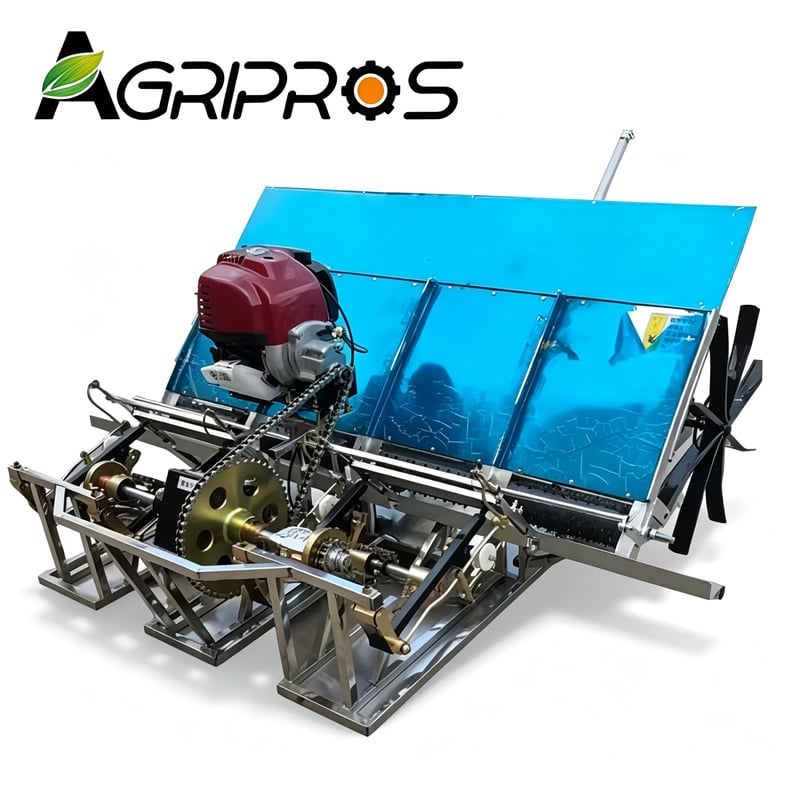
Component Quality: The choice of materials for specific components, such as tines and blades, affects both performance and maintenance. High-carbon steel blades, for instance, offer superior sharpness and longevity. Additionally, considering Seeders & Transplanters can provide further insights into quality components.

Impact Resistance: Consider cultivators designed with shock-absorbing materials or features that protect against impacts when working in rocky or uneven terrain. This can reduce wear and extend the life of the cultivator.

By understanding the material advantages, buyers can select a soil cultivator that meets their operational demands while ensuring longevity and performance.

How to Choose the Right Soil Cultivator for Your Projects

Selecting the appropriate soil cultivator involves understanding your specific agricultural needs, soil type, and cultivation practices. Key factors to consider include:

Type of Cultivator: Soil cultivators come in various forms, such as rotary tillers, spike harrows, and disc harrows. Each type serves distinct purposes; for instance, rotary tillers are ideal for fine soil preparation, while disc harrows are better for breaking up hard soil.

Size and Power: The cultivator's size should match the scale of your operations. Larger farms may require robust, high-powered equipment, while smaller operations can benefit from compact models. Additionally, consider the power source—diesel or electric—based on your field conditions and environmental considerations.

Adjustability and Features: Look for cultivators with adjustable settings for depth and working width, as these can enhance versatility and efficiency. Features such as foldable designs for easy transport and quick-change blades can also improve usability.

Material and Build Quality: The durability of the cultivator is directly affected by the materials used in its construction. High-quality steel and corrosion-resistant coatings can enhance longevity, making the investment worthwhile in the long run. For those interested in improved functionality, exploring Processing Machines may also be beneficial.

Understanding these aspects will help you make an informed decision that aligns with your agricultural goals.

Frequently Asked Questions

What is the soil cultivator used for?

Our soil cultivator loosens, aerates, and mixes soil to prepare seedbeds, control weeds, and improve water infiltration for planting operations.
We offer multiple models and working widths adaptable to small farms and large plantations; options include hitch types and adjustable tine configurations.
Most models fit common tractor categories; provide your tractor horsepower and hitch type and we will recommend the correct model.
Agripros equipment is CE certified and ISO 9001 compliant, with factory quality checks and lifecycle support for parts and service.
We provide spare parts, maintenance guidance, and lifecycle service across 40+ countries; contact our sales team with model and serial number for assistance.

Get a Free Quote

Our representative will contact you soon.
0/1000