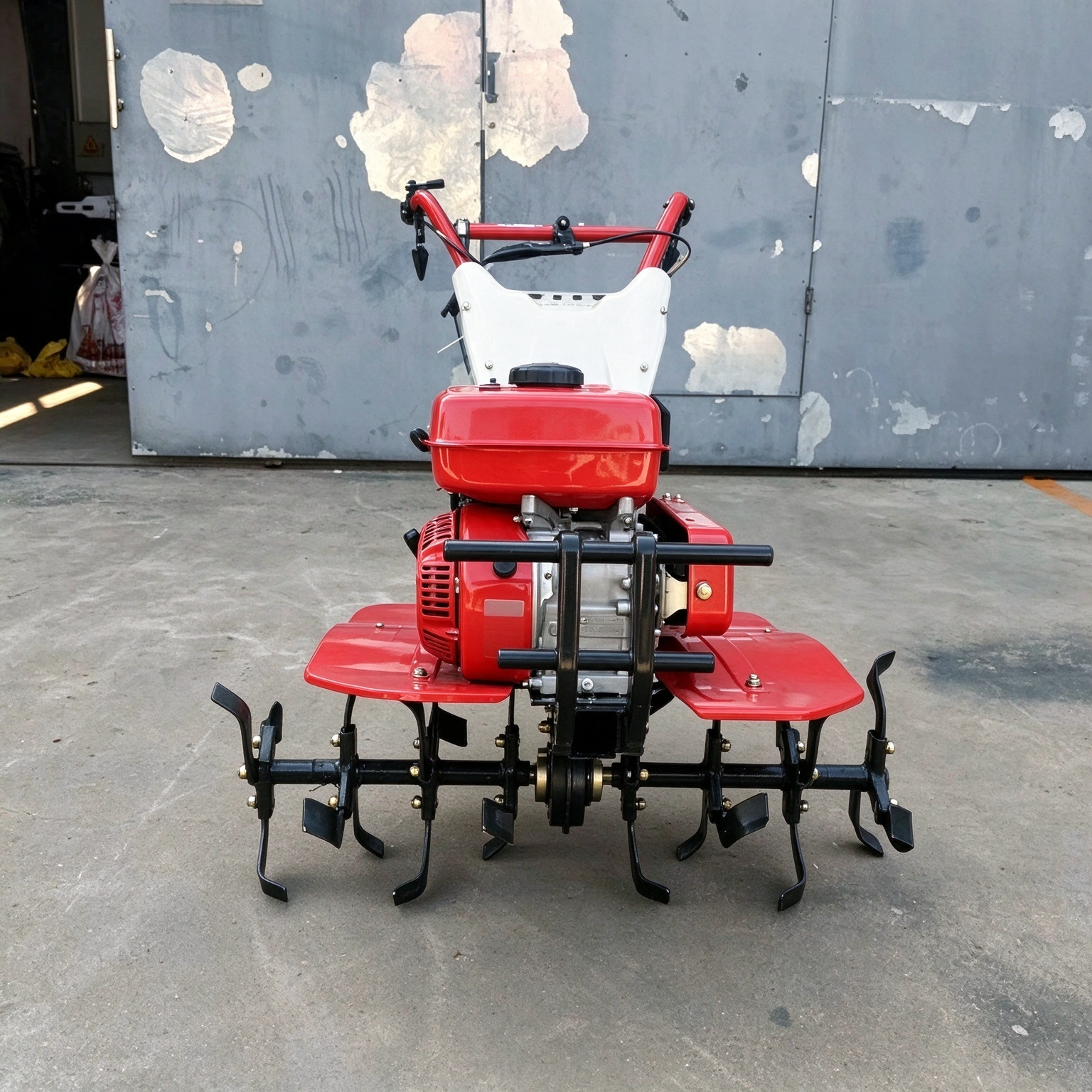
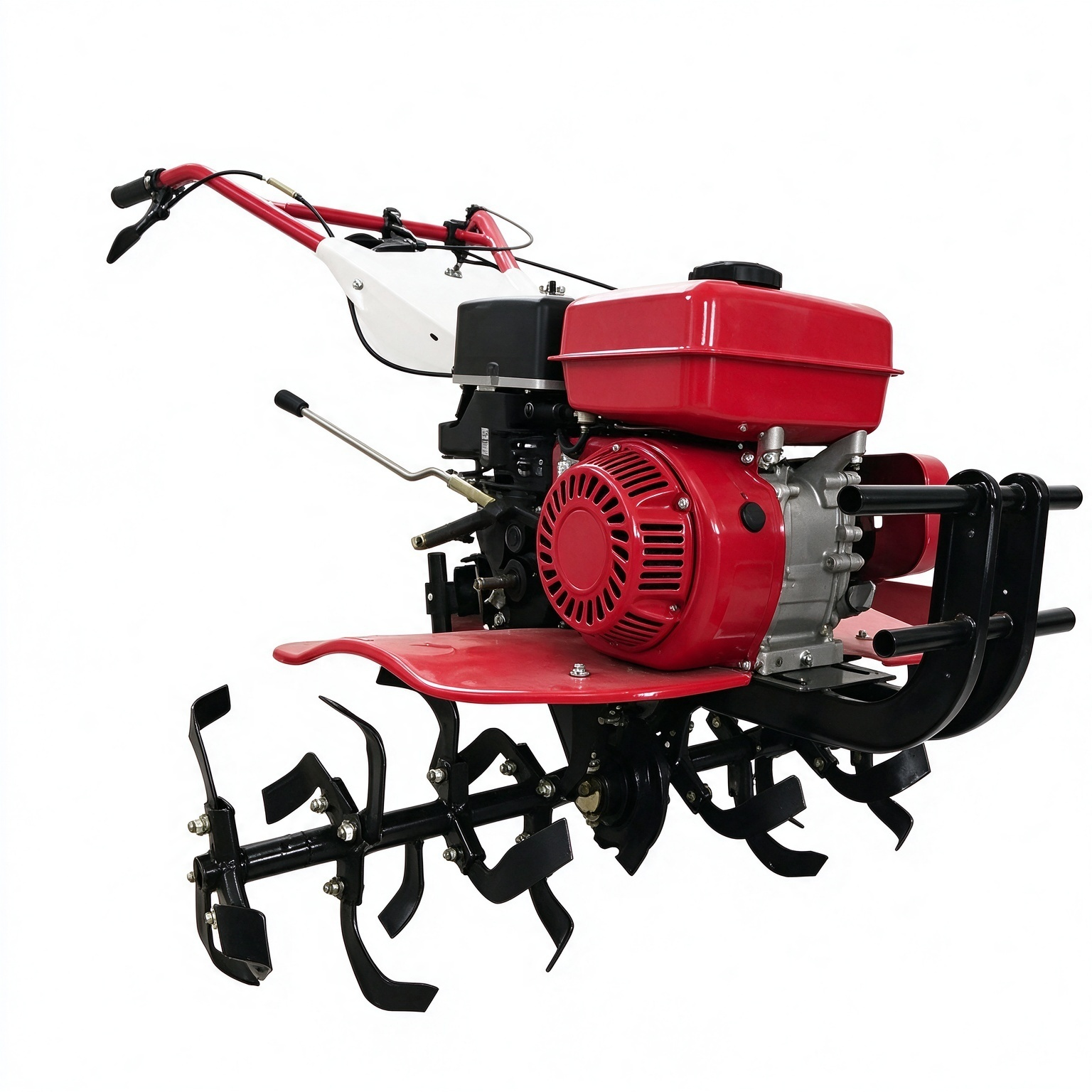
Essential Specifications for Yard Cultivators

application/yard-cultivator, application/yard-cultivator, 
Inquiry
Inquiry

yard cultivator

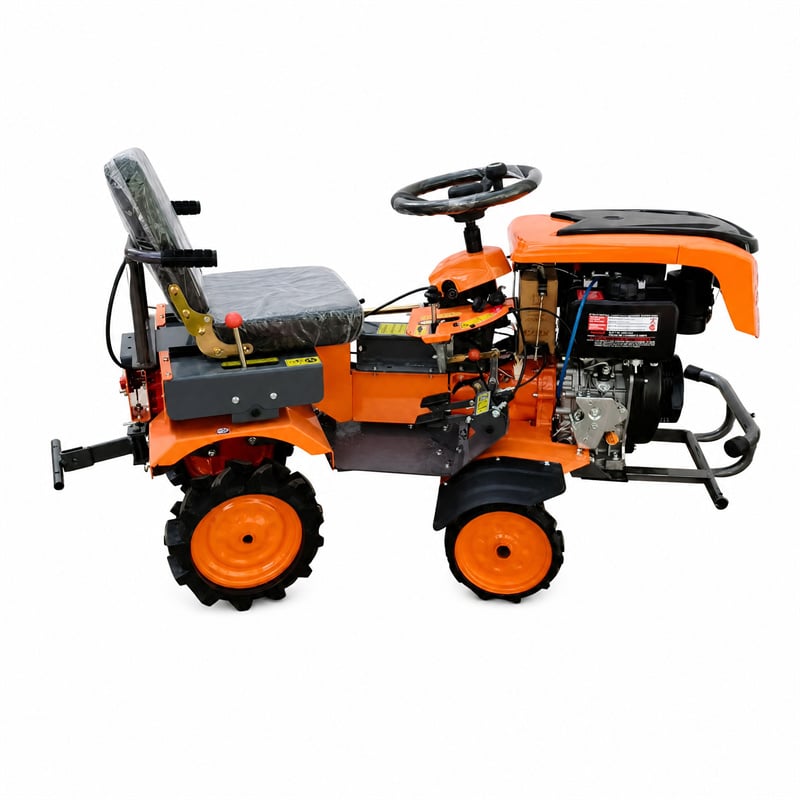
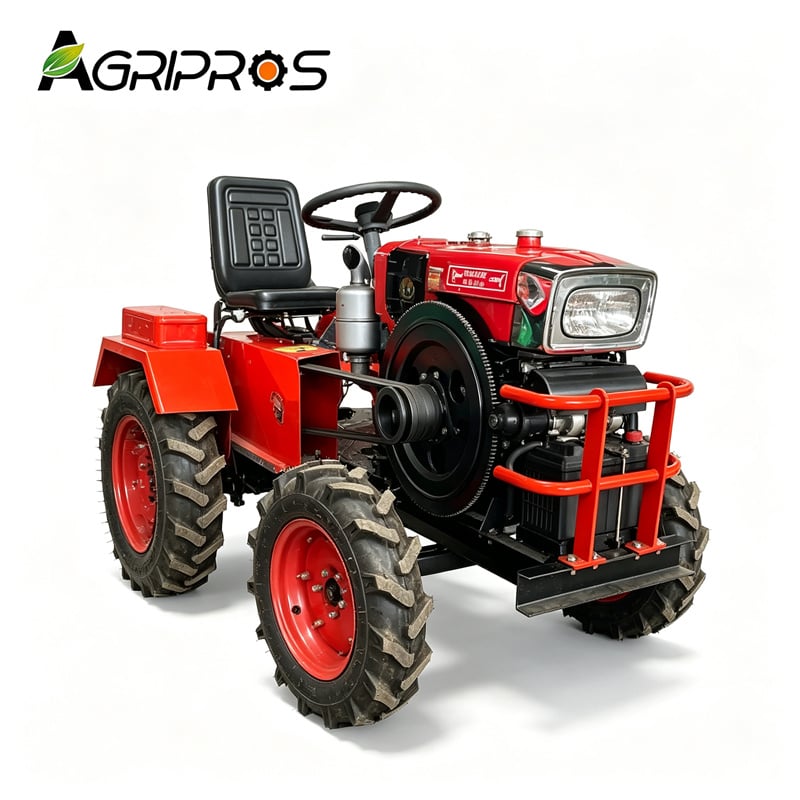
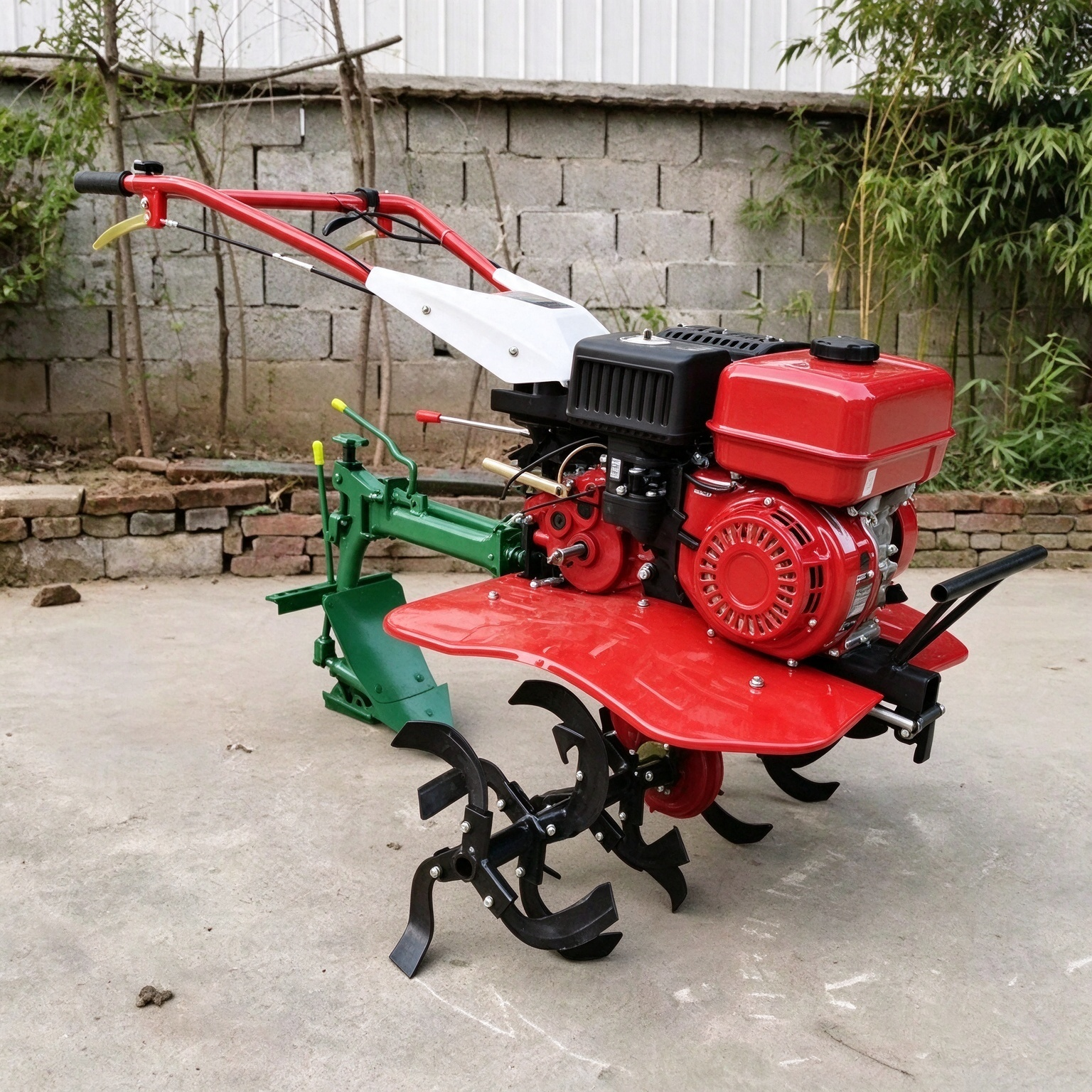
Yard cultivators are essential tools in modern agriculture, designed to prepare soil for planting by breaking up compacted earth, aerating the soil, and mixing in nutrients. As a B2B buyer, understanding the specifications, costs, applications, and supplier options for yard cultivators is crucial to making an informed purchasing decision. This article will provide insights into essential specifications to consider, cost factors for bulk orders, reliable suppliers, practical applications, and comparisons of different models to aid in your selection process.

Cost Factors for Bulk Orders of Yard Cultivators

Cost Factors for Bulk Orders of Yard Cultivators

When purchasing yard cultivators in bulk, several cost factors come into play that can significantly affect your overall investment.

Unit Price Reduction: Bulk orders typically come with a lower unit price due to economies of scale. Suppliers may offer volume discounts, which can lead to significant savings. It’s essential to negotiate with suppliers to determine the best pricing structure.

Shipping and Handling Charges: Shipping costs can vary based on the weight and dimensions of the cultivators, as well as the distance from the supplier. Consider local suppliers to reduce transportation costs. Additionally, inquire about any handling fees that might apply.

Customizations: If you require specific modifications or custom features for your cultivators, these can increase the overall cost. Discuss customization options with your supplier to understand how they may affect pricing.

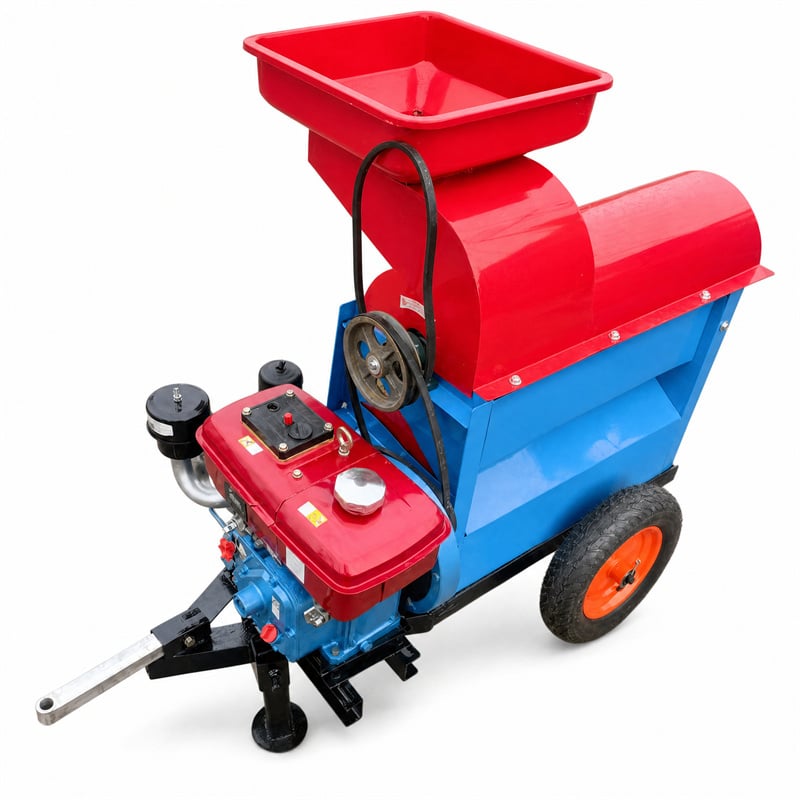
Maintenance and Warranty: Some suppliers include maintenance packages or extended warranties with bulk orders. While these may increase upfront costs, they can save money on repairs and parts replacement in the long term. For example, the Walking Tractor 15-18HP Water-Cooled Diesel 2WD Hand Tractor may come with advantageous warranty options that are worth considering.

Payment Terms: Review the payment terms offered by suppliers. Flexible payment options may ease cash flow concerns, especially for larger bulk orders.

By considering these cost factors, you can optimize your budget and maximize the value of your bulk purchase.

Where to Find Reliable Suppliers of Yard Cultivators

Where to Find Reliable Suppliers of Yard Cultivators

Finding a reputable supplier for yard cultivators is critical for ensuring quality and dependable service. Here are some avenues to explore:

Industry Trade Shows: Attending agricultural trade shows can provide opportunities to meet manufacturers and suppliers in person. You can see the equipment firsthand and ask questions about performance and specifications.

Online Marketplaces: Websites that specialize in agricultural machinery can offer a wide range of options. Look for suppliers with verified reviews and ratings from previous customers.

Associations and Directories: Industry associations often maintain directories of manufacturers and suppliers. These directories can help you identify established companies with a proven track record.

Networking with Peers: Engage with other professionals in the farming and agricultural community. Recommendations from fellow farmers or agricultural engineers can lead you to reliable suppliers who have a good reputation.

Manufacturer Websites: Companies like Agripros often provide valuable information on their product offerings, including specifications, certifications, and customer support. Reviewing their website can give you insights into their capabilities and services.

By exploring these options, you can identify trustworthy suppliers that meet your requirements for yard cultivators.

Application Scenarios for Yard Cultivators in Modern Farming

Application Scenarios for Yard Cultivators in Modern Farming

Yard cultivators play a versatile role in various agricultural applications. Understanding these scenarios can help you utilize them effectively:

Preparing Seedbeds: Cultivators are primarily used to prepare the soil for planting seeds. They break up hard soil, allowing for better seed-to-soil contact, which is essential for germination.

Weed Control: Regular cultivation can help manage weed growth between planting rows. By disrupting the soil surface, cultivators can uproot young weeds before they develop deeper roots.

Mixing Soil Amendments: When adding fertilizers or organic matter, yard cultivators can mix these amendments into the soil, improving nutrient availability for crops.

Aeration: Cultivators provide essential aeration to compacted soil, enhancing water infiltration and root growth. This is particularly beneficial in fields with heavy foot traffic or machinery use.

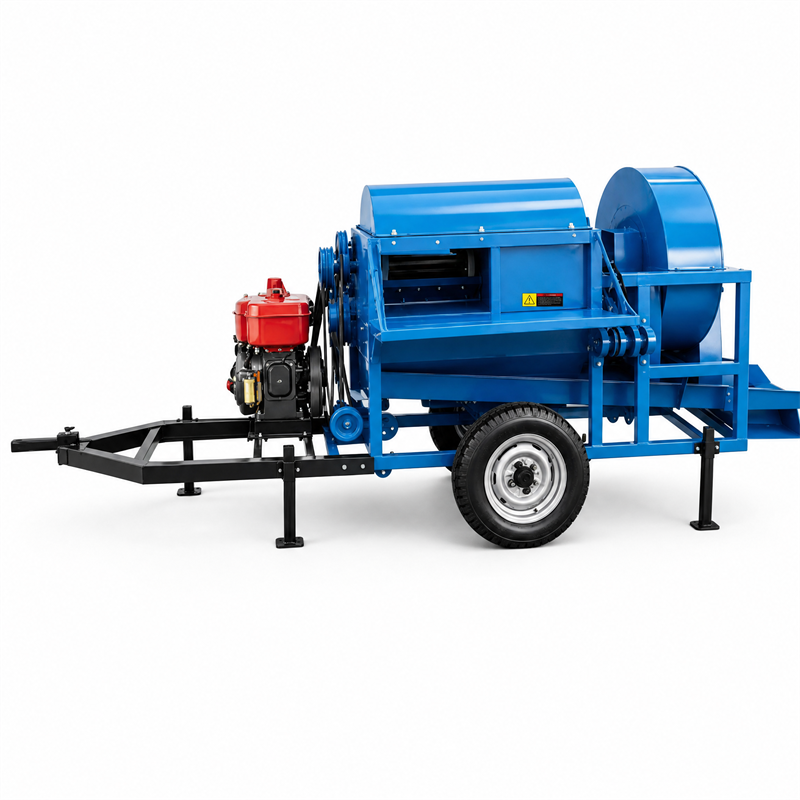
Post-Harvest Soil Management: After harvesting, cultivators can prepare the soil for the next planting cycle by breaking up leftover plant material and reducing compaction. Additionally, using a Diesel Multicrop Grain Thresher with Double Fan for Farms can further assist in managing post-harvest tasks efficiently.

By recognizing these application scenarios, you can better leverage the capabilities of yard cultivators to enhance your farming operations.

Comparing Different Models of Yard Cultivators for Your Projects

When selecting a yard cultivator, comparing different models is crucial to ensure you choose the best fit for your projects. Here are some factors to consider:

Specifications Comparison: Create a comparison chart that includes key specifications such as tillage depth, tine material, and power source. This visual aid can help you quickly assess which models meet your requirements.

Performance Ratings: Research performance ratings and reviews from other users. Performance can vary based on soil types and conditions, so understanding how a model performs in similar environments to yours is beneficial.

Warranty and Support: Review the warranty terms offered by different manufacturers. A comprehensive warranty can provide peace of mind and indicate the supplier’s confidence in their product.

User-Friendliness: Consider the ease of operation and maintenance for each model. A more user-friendly design can reduce training time and increase productivity.

Cost of Ownership: Evaluate not just the purchase price but also the long-term costs associated with maintenance, parts, and fuel. A lower upfront cost may lead to higher operational costs later.

By systematically comparing these factors, you can make an informed choice that aligns with your specific agricultural needs and budget constraints.

Essential Specifications to Consider for Yard Cultivators

When selecting a yard cultivator, several key specifications should be evaluated to ensure the machine meets your operational needs.

Tillage Depth: The tillage depth refers to how deep the cultivator can penetrate the soil. It's important to choose a cultivator that can reach the required depth for the crops being cultivated. Shallow tillage may be suitable for seedlings, while deeper tillage is necessary for root crops.

Tine Configuration and Material: Yard cultivators typically feature tines made from durable materials like high-carbon steel or chromium. The configuration of these tines affects soil mixing efficiency. Tines with a wider spacing can enhance aeration but may not mix soil as thoroughly as closer-set tines.

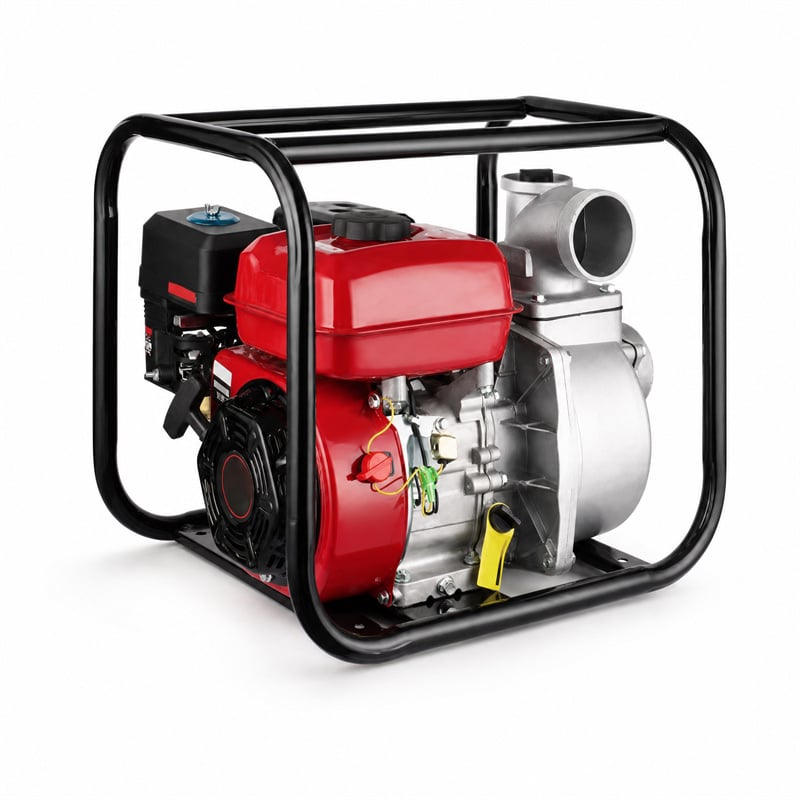
Power Source: Yard cultivators come in various power configurations—manual, electric, or gas-powered. Electric models are quieter and suitable for smaller gardens, while gas-powered cultivators offer more power and are ideal for larger plots. For instance, the Gasoline Water Pump 2-4 Inch Self-Priming for Irrigation is a great example of gas-powered equipment that can support larger farming operations.

Weight and Size: The weight of the cultivator can impact its performance. Heavier models may provide better penetration in tough soils, but they can also be harder to maneuver. Consider the size of the cultivator in relation to your operational area.

Attachment Options: Some cultivators offer additional attachments for tasks such as seed planting or mulching. If you require versatility in your equipment, ensure the model you choose supports these attachments.

Understanding these specifications will help you select the right yard cultivator that aligns with your farming practices and soil conditions.

Frequently Asked Questions

What is the yard cultivator used for?

The yard cultivator loosens soil, removes weeds, and prepares seedbeds for small plots, gardens, and orchards. It supports tillage and seeding tasks for efficient land prep.
Models are available in small engine or PTO-driven options. Select based on your tractor or standalone engine compatibility; consult specs for horsepower and PTO speed.
Common accessories include adjustable tines, depth regulators, hiller attachments, and transport wheels. Custom configurations are available to match soil and crop needs.
Regularly clean soil and debris, lubricate moving parts, inspect tines for wear, tighten fasteners, and follow the service intervals in the manual. Use genuine parts for longevity.
Yes. Our equipment carries CE and ISO 9001 certifications. We offer lifecycle-based support, spare parts, and technical assistance for installation and operation across our service network.

Get a Free Quote

Our representative will contact you soon.
0/1000